MC
MandarinClips Cinema Corpus
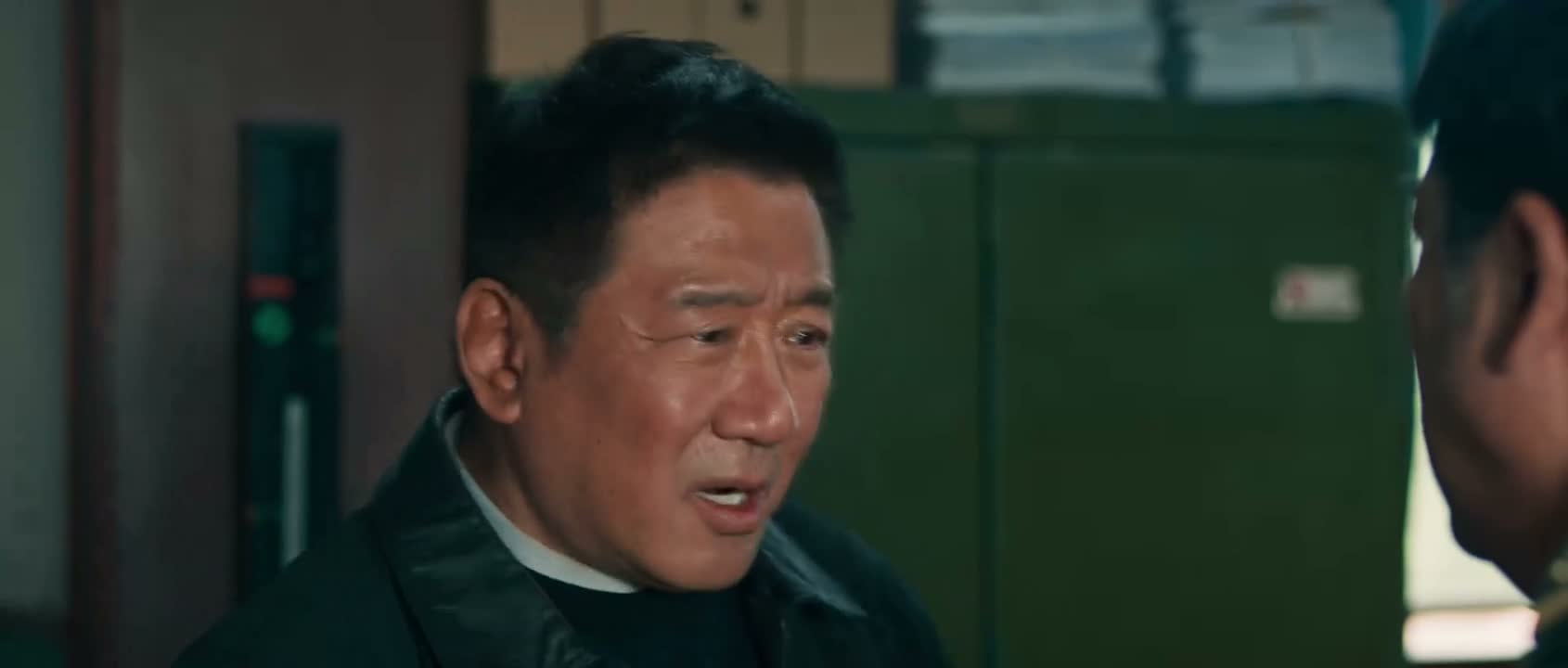
《Go Ahead》 S1·E28 (22:59) HSK 6
nà nǐ ràng wǒ zěn me bàn ma rén jiā zhāng lǎo shī

那你让我怎么办嘛 人家张老师

“Then what position will you leave me in? Mrs. Zhang”

《Go Ahead》 S1·E28
TIMECODE: 22:59 · 1080P MASTER AUDIO

THE DIALOGUE REEL

1+1+1 SPOKEN CONTINUITY
[-1] PREVIOUS TURN wǒ zhè yí gè rén zhè me duō nián le wǒ dōu xí guàn le

“I have been single for so many years. I'm used to it already.”

nà nǐ ràng wǒ zěn me bàn ma rén jiā zhāng lǎo shī CURRENT FOCUS

那 你让我怎么办 嘛 人家 张老师

“Then what position will you leave me in? Mrs. Zhang”

[+1] FOLLOW-UP TURN yǒu shǒu yǒu jiǎo de gè dà huó rén rén jiā dào nǐ diàn lǐ

有手有脚的个大活人 人家到你店里

“acts of her own free will. Can I order her”

Subtitles synced to millisecond timecode Browse Show Clips →
Scene: Family & Home
Function: EXPRESSING HELPLESSNESS
Tone: DEFENSIVE
Emotion: FRUSTRATION
WHAT THEY REALLY MEAN (PRAGMATIC SUBTEXT)
“Don't blame me; I was put on the spot and couldn't just turn them away.”
💡 Cultural Insight: Renqing (Social Obligation)

In Chinese social culture, rejecting someone who shows goodwill or visits in person is socially difficult and can damage relationships.

INTENT TAGS: #deflection #justification #pleading_helplessness #hedging
🧩

LEARNING CHUNKS & PARTICLES

2 CHUNKS · 1 PARTICLES
让我怎么办 SPOKEN CHUNK

what do you expect me to do

Commonly used to plead helplessness or deflect responsibility when caught between two parties.

人家 SPOKEN CHUNK

they / the other party

Used to refer politely or empathically to a third party to validate their feelings or standing.

Modal Particle「嘛」 (ma) CHANGE OF STATE

Appeals for mutual understanding while expressing mild exasperation or obviousness.
🏮

VOCABULARY & EXPRESSIONS

2 EXPR · 0 GRAMMAR
CROSS-CINEMA CORPUS BOARD · PARALLEL SCENES

Parallel Spoken Cinema Scenes (语义近邻切片)

EXPLORE BY SEMANTIC SIMILARITY
《Go Ahead》 S1·E28 (22:59) · Authentic Cinema Dialogue Corpus