他为什么不早说呢
“Why didn't he say so sooner?”
THE DIALOGUE REEL
他为什么不早说呢
“Why didn't he say so sooner?”
他 为什么不早说 呢
“Why didn't he say so sooner?”
为什么
“Why?”
“If he had spoken up sooner, we would not be in this mess.”
Rhetorical questions starting with 'why didn't' often function pragmatically as indirect expressions of frustration rather than genuine inquiries.
LEARNING CHUNKS & PARTICLES
why didn't (you/he) say so earlier?
A very frequent spoken complaint used when belated information causes inconvenience or trouble.
Softens the rhetorical question while highlighting lingering bewilderment or gentle complaint.
VOCABULARY & EXPRESSIONS
Parallel Spoken Cinema Scenes (语义近邻切片)

“at the provincial troupe?”
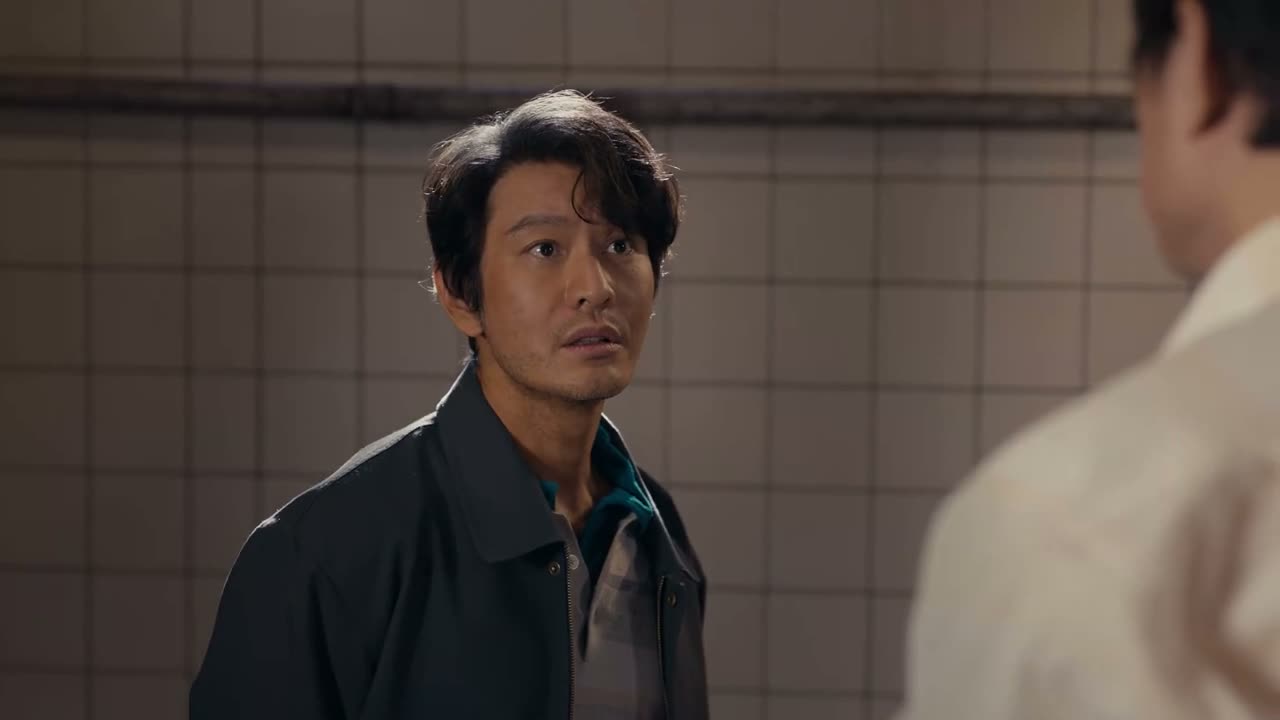
“Why didn't you tell me sooner?”

“Why didn't you tell me this sooner?”
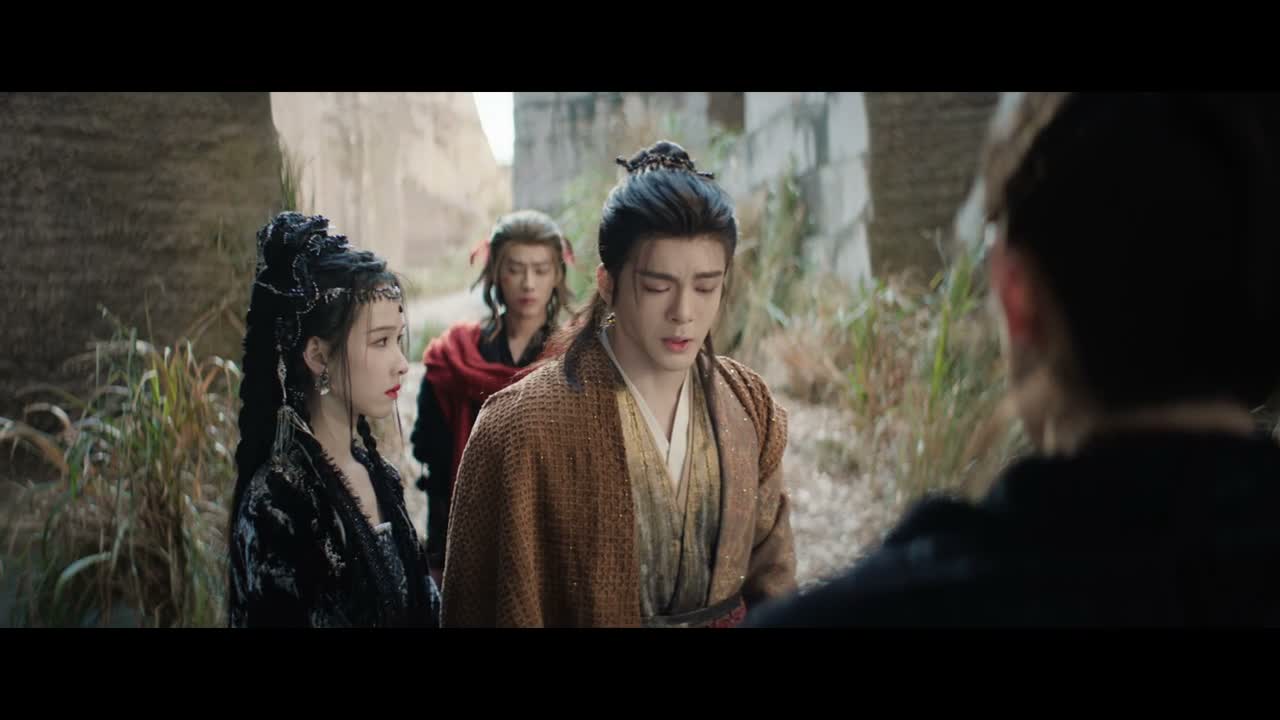
“why didn't you tell me sooner?”
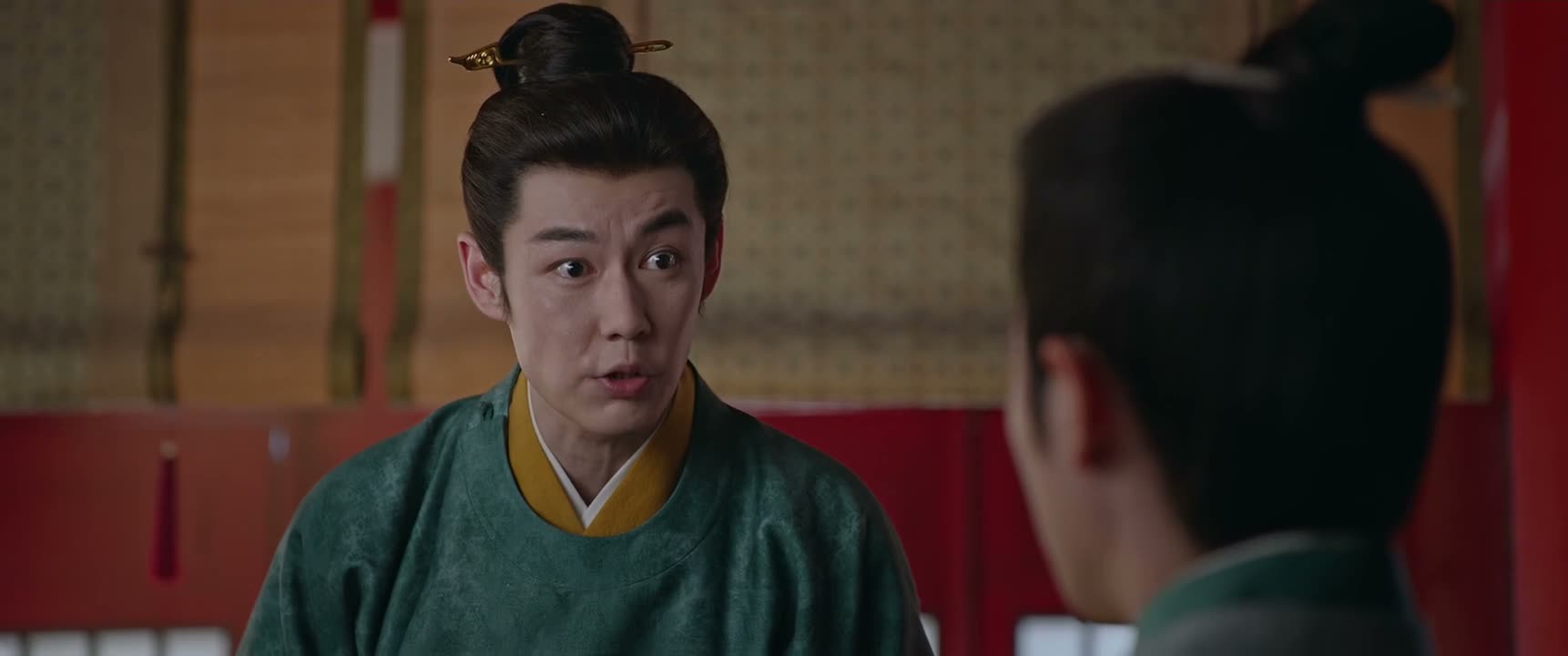
“Why didn't you tell me about such a big thing at the time?”

“Why didn't you say it earlier?”

“Why didn't you say so earlier? A toad.”

“Didn't you say it's already set? Then how could I avoid it?”

“Why didn't you tell us earlier?”