你怎么不早说啊 癞蛤蟆
“Why didn't you say so earlier? A toad.”
THE DIALOGUE REEL
你怎么不 早说 啊 癞蛤蟆
“Why didn't you say so earlier? A toad.”
“I won't stoop to arguing with drunkards!”
“This is completely your fault for not warning me sooner, you ugly creep!”
In Chinese culture, comparing someone to a toad ('laihama') is a stinging insult targeting someone considered ugly, loathsome, or reaching far above their station.
LEARNING CHUNKS & PARTICLES
why didn't you say so earlier
A common colloquial phrase used to complain or express mild frustration when receiving crucial information late.
toad (derogatory epithet for an ugly or unappealing person)
Frequently used in insults or idioms (like 'a toad wanting to eat swan meat') to belittle someone's appearance or unrealistic ambitions.
Heightens the speaker's emotional charge and accentuates the accusatory, complaining tone of the question.
VOCABULARY & EXPRESSIONS
Parallel Spoken Cinema Scenes (语义近邻切片)
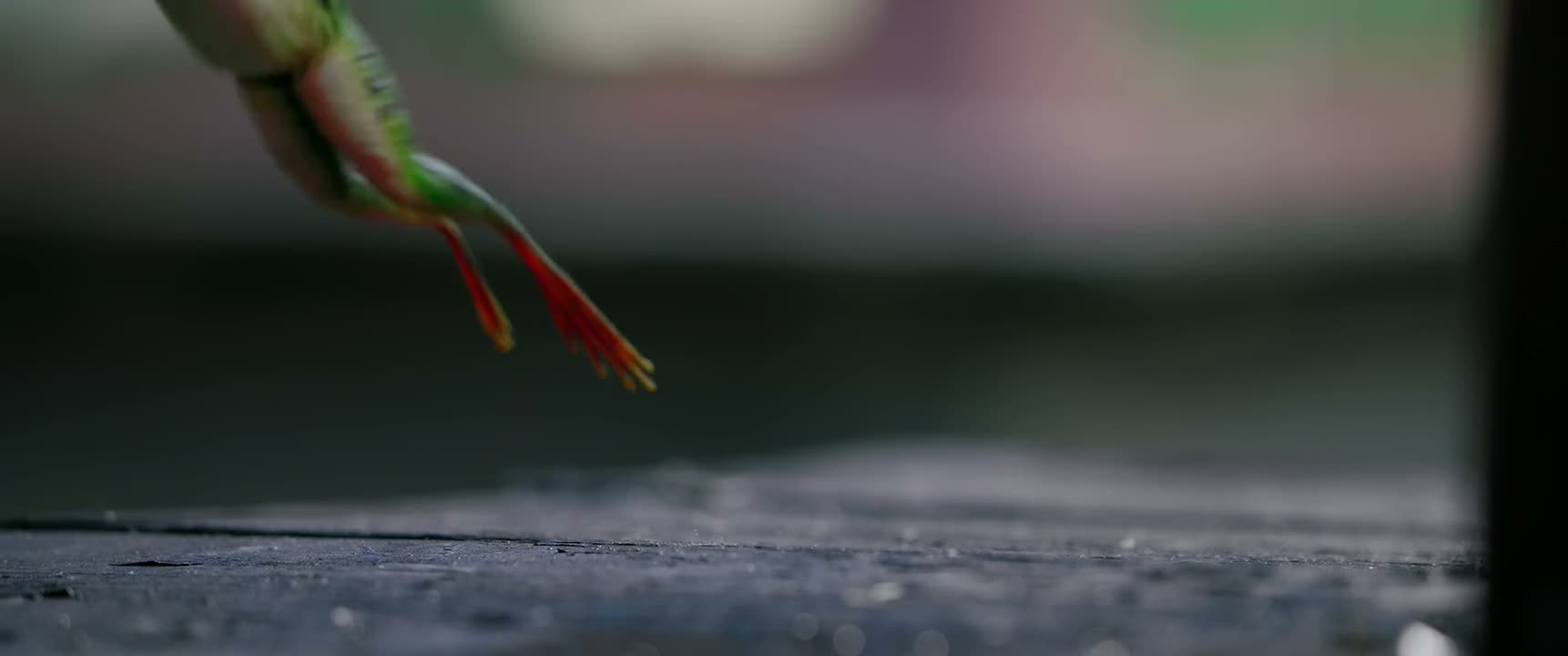
“Wait, why am I comparing myself to a toad?”

“Why did you not tell me sooner?”

“Why didn't you tell me about this earlier?”

“Why didn't you tell me earlier?”

“Why didn't he say so sooner?”

“Then why didn't you tell me earlier?”