不会凉了吧 嫌凉你就别吃 吃吃吃
“They might be cold, right? Then don't eat any if you think they are cold. Of course I'll eat.”
THE DIALOGUE REEL
有鸭脖
“I have duck necks!”
不会凉了吧 嫌凉你就别吃 吃吃吃
“They might be cold, right? Then don't eat any if you think they are cold. Of course I'll eat.”
就知道你没穿外套 披上 别感冒喽 开饭了
“As I expected, you aren't wearing your coat. Put it on, or you might get a cold. Dinner is ready.”
“Stop complaining and just enjoy the food before it gets worse.”
In Chinese family interactions, care and hospitality are frequently disguised behind mock irritation, bickering, or blunt commands.
LEARNING CHUNKS & PARTICLES
to complain about or mind that something is cold
Use '嫌' followed by an undesirable trait to describe being finicky or dissatisfied with something.
eat up; just eat
Repetition of an action verb colloquially conveys urgency, exasperation, or casual coaxing.
Indicates a potential change of state regarding the food getting cold.
Softens the assumption into a tentative guess.
VOCABULARY & EXPRESSIONS
Parallel Spoken Cinema Scenes (语义近邻切片)

“Eat quickly. It's getting cold.”

“It is cold now. How am I supposed to eat it?”

“It won't taste good when it's cold. Besides, he doesn't eat spicy food.”
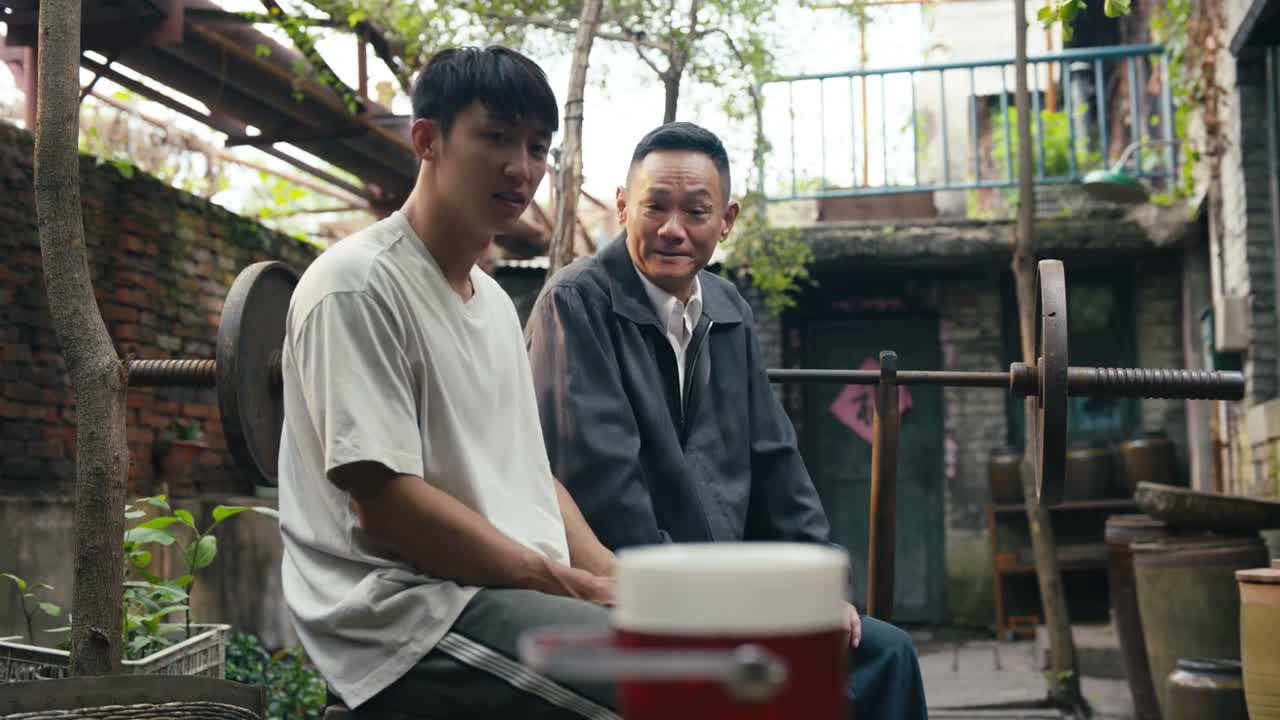
“If they get cold, it won't taste right.”

“Let me reheat this for you. It's way too cold. No need, I'll just eat it like this.”

“I'll go buy you qingbuliang.”