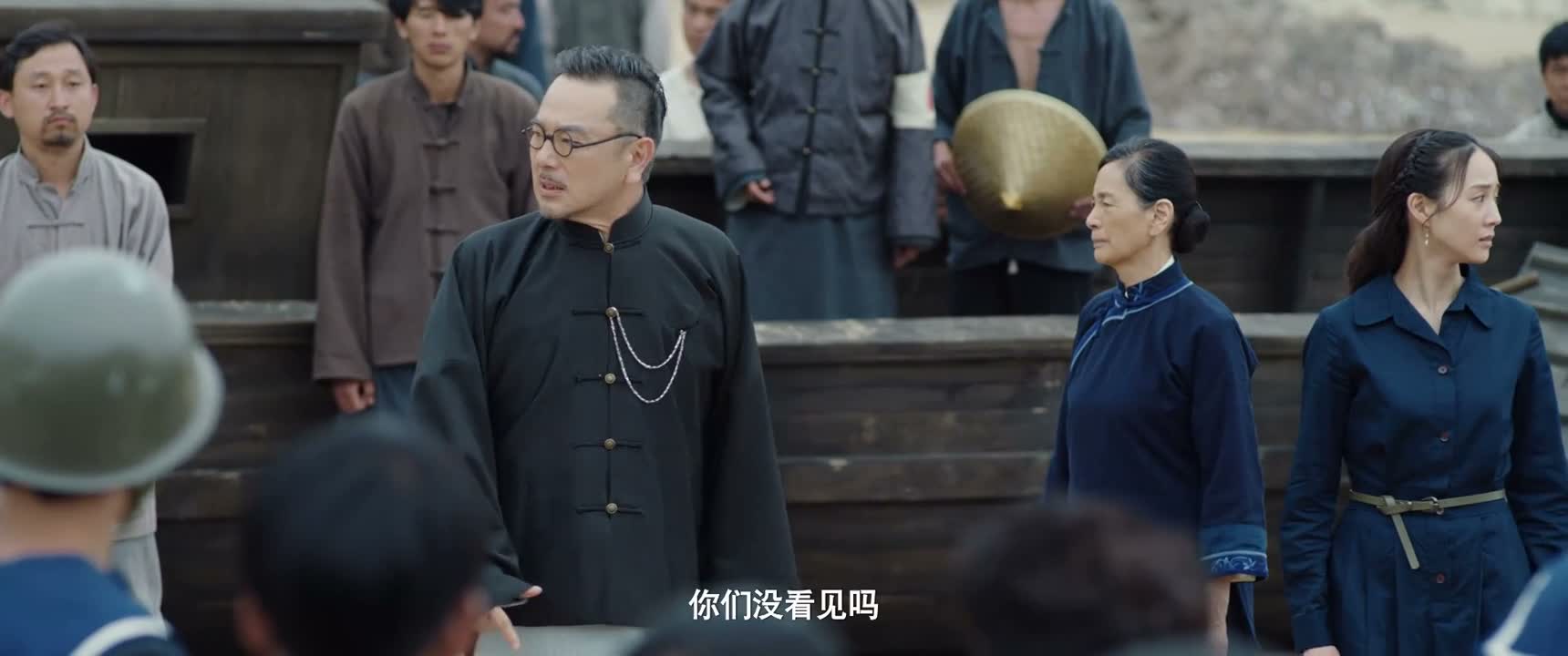
《Go Ahead》 S1·E5 (21:18)
HSK 2
nǐ kàn dé jiàn ma nǐ
你看得见吗你
“Do you?”
《Go Ahead》
S1·E5
TIMECODE: 21:18
·
1080P MASTER AUDIO
THE DIALOGUE REEL
nǐ kàn dé jiàn ma nǐ
CURRENT FOCUS
你看得见吗 你
“Do you?”
[+1] FOLLOW-UP TURN
wǒ men jiā wǒ men jiā zi qiū
我们家 我们家子秋
“My son, my son Ziqiu,”
Subtitles synced to millisecond timecode
Browse Show Clips →
Scene:
Daily Life
Function:
CHALLENGING STATEMENT
Tone:
TEASING
Emotion:
SKEPTICISM
WHAT THEY REALLY MEAN (PRAGMATIC SUBTEXT)
“You act like you know what is going on, but you can't even see properly.”
💡 Cultural Insight: Pronoun Postposing for Emphasis
Repeating the pronoun at the end of a question adds strong rhetorical emphasis and conversational bite among familiars.
INTENT TAGS:
#challenging
#skepticism
#banter
#disbelief
🧩
1 CHUNKS · 1 PARTICLES
LEARNING CHUNKS & PARTICLES
看得见
SPOKEN CHUNK
able to see / visible
A standard potential complement structure meaning 'can see', frequently used in rhetorical counters.
Modal Particle「吗」 (ma)
CHANGE OF STATE
Forms a polar rhetorical question emphasizing doubt or challenge.
🏮
1 EXPR · 0 GRAMMAR
VOCABULARY & EXPRESSIONS
COLLOQUIAL EXPRESSIONS:
CROSS-CINEMA CORPUS BOARD · PARALLEL SCENES
EXPLORE BY SEMANTIC SIMILARITY
Parallel Spoken Cinema Scenes (语义近邻切片)
《Go Ahead》 S1·E5 (21:18) · Authentic Cinema Dialogue Corpus