你做事儿不带脑子的吗
“Do you ever think things through?”
THE DIALOGUE REEL
再美也没有你美
“No view is more beautiful than you.”
你 做事 儿 不带脑子 的吗
“Do you ever think things through?”
“How could you be so careless and foolish?”
In close Chinese friendships or romantic relationships, speakers often use seemingly harsh exaggerations like 'leaving your brain behind' as affectionate or exasperated scolding rather than true malice.
LEARNING CHUNKS & PARTICLES
brainless; without thinking; completely thoughtless
A blunt, colloquial expression used among close acquaintances to criticize someone for a foolish or clumsy mistake.
to handle matters; to do things
A common colloquial Northern Chinese phrase referring generally to carrying out tasks or actions.
Emphasizes the speaker's judgment and certainty regarding the listener's thoughtlessness.
Turns the statement into a rhetorical question expressing sharp criticism.
VOCABULARY & EXPRESSIONS
Parallel Spoken Cinema Scenes (语义近邻切片)
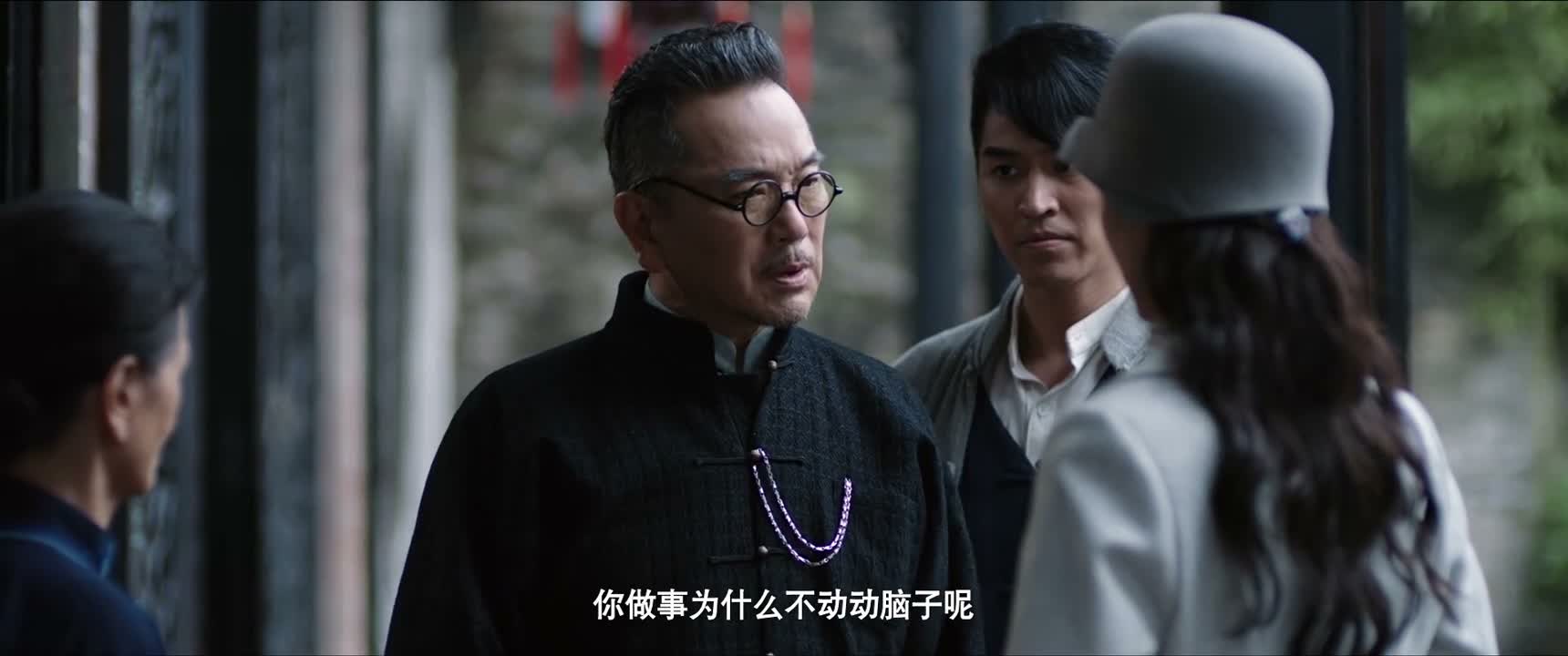
“Why don't you think before you act?”

“Are you stupid?”

“These people do things without thinking.”

“I think you don't need to be so stubborn on things.”