我之前呢 看到过一篇论文 论文上
“Earlier, I read a paper that proposed”
THE DIALOGUE REEL
“you ran into a problem that's troubled you for a long time.”
我之前呢 看到过 一篇 论文 论文 上
“Earlier, I read a paper that proposed”
“a new calculation method. I studied it.”
Direct spoken expression in this communicative setting.
Framing an insight as something merely 'seen in a paper' rather than one's own brilliant invention demonstrates academic humility and facilitates teamwork.
LEARNING CHUNKS & PARTICLES
previously / before
A versatile time word used to introduce past experiences or background information into the present conversation.
have seen / came across
Employs the experiential aspect marker '过' to indicate that the speaker has prior exposure to the source.
Creates a natural pause after the topic to hold the floor and draw the listener's focus to the forthcoming information.
VOCABULARY & EXPRESSIONS
Parallel Spoken Cinema Scenes (语义近邻切片)

“I've said it before.”
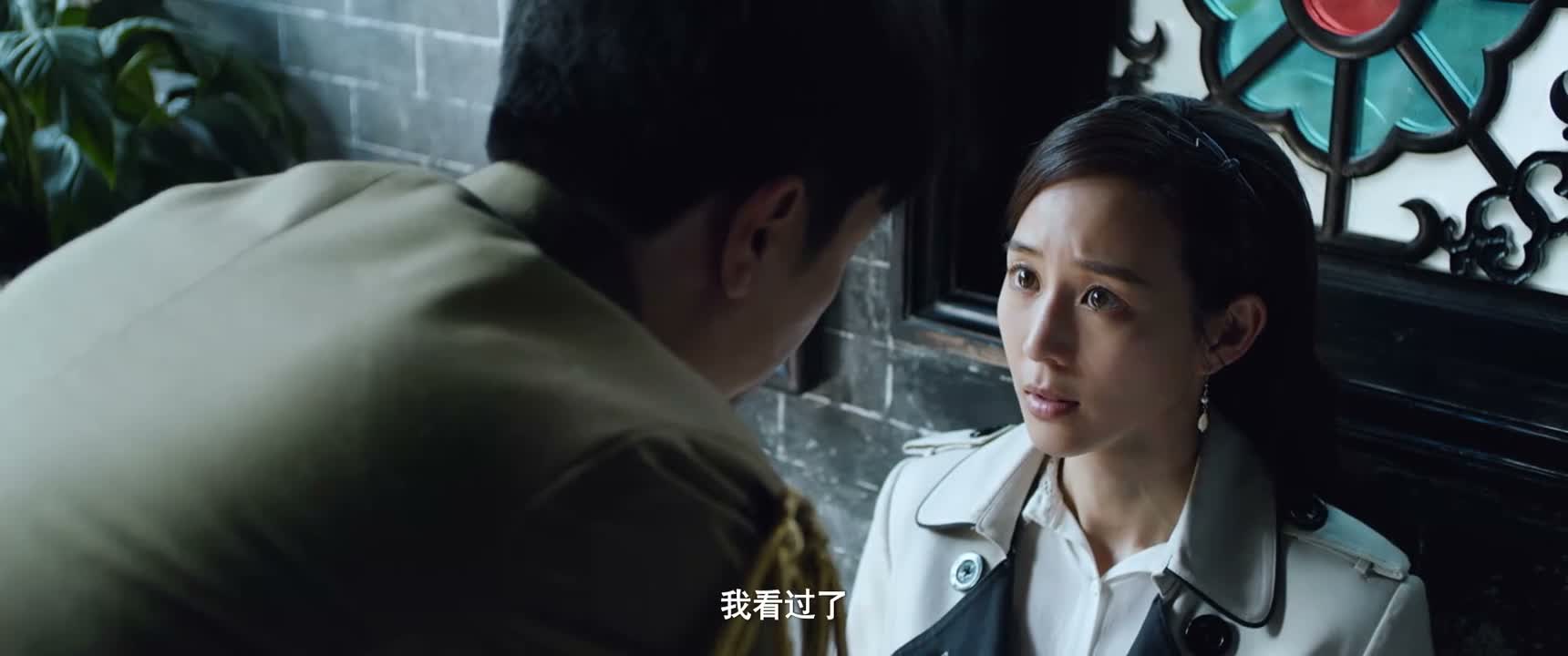
“I've looked at it.”

“I saw this message two years ago?”

“I've seen it all with my own eyes.”

“At least, that's what I believed.”
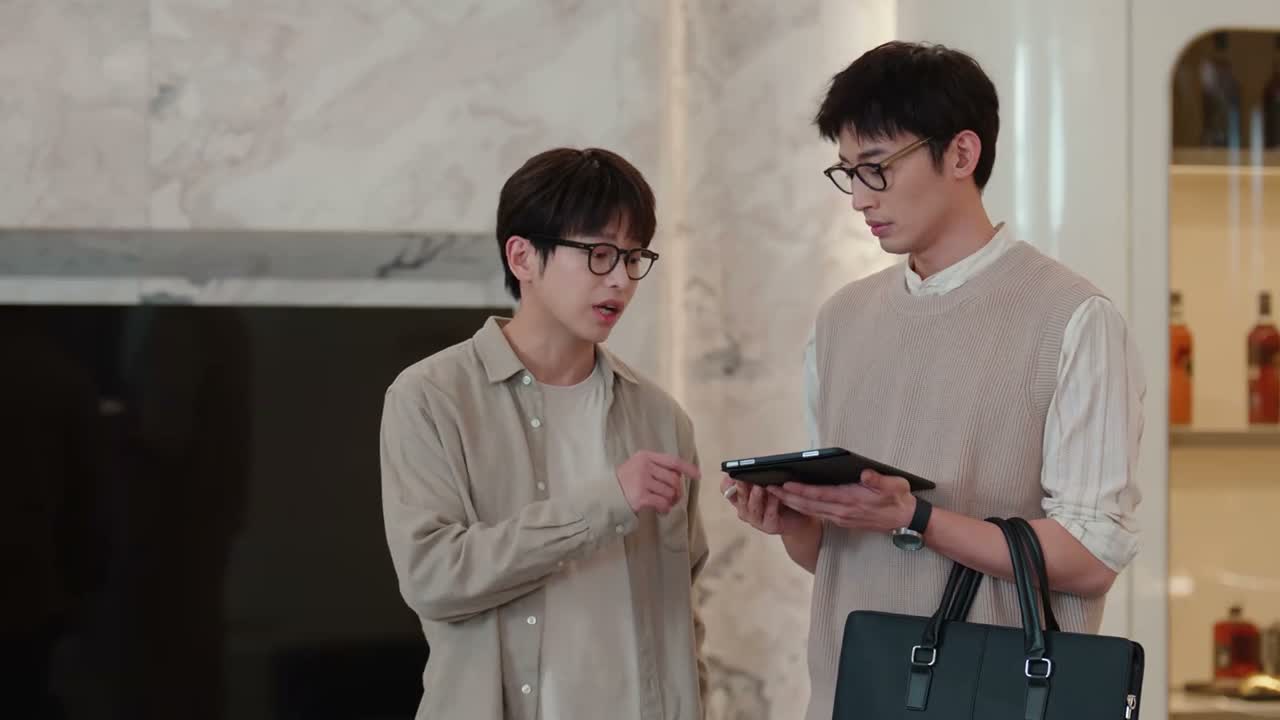
“Actually, I've already looked into all this.”