听着多像咱们张家的产业
“Doesn't that sound exactly like one of our family's businesses?”
THE DIALOGUE REEL
海华杂货铺
“Haihua Grocery Store.”
听着多像 咱们张家 的 产业
“Doesn't that sound exactly like one of our family's businesses?”
“It's right across the street. How about we buy this shop and turn it into a pig farm?”
“Haha, with a name like that, it practically belongs to us already.”
Using '咱们' instead of '我们' emphasizes shared family identity and inclusivity, often invoked casually in humor or family bantering.
LEARNING CHUNKS & PARTICLES
sounds like; appears to be
Colloquial expression used when drawing an impression based on how a name or description sounds.
our family's; belonging to us
Using '咱们' (an inclusive 'we') creates immediate intimacy and collective identity among in-group members.
VOCABULARY & EXPRESSIONS
Parallel Spoken Cinema Scenes (语义近邻切片)

“our home”
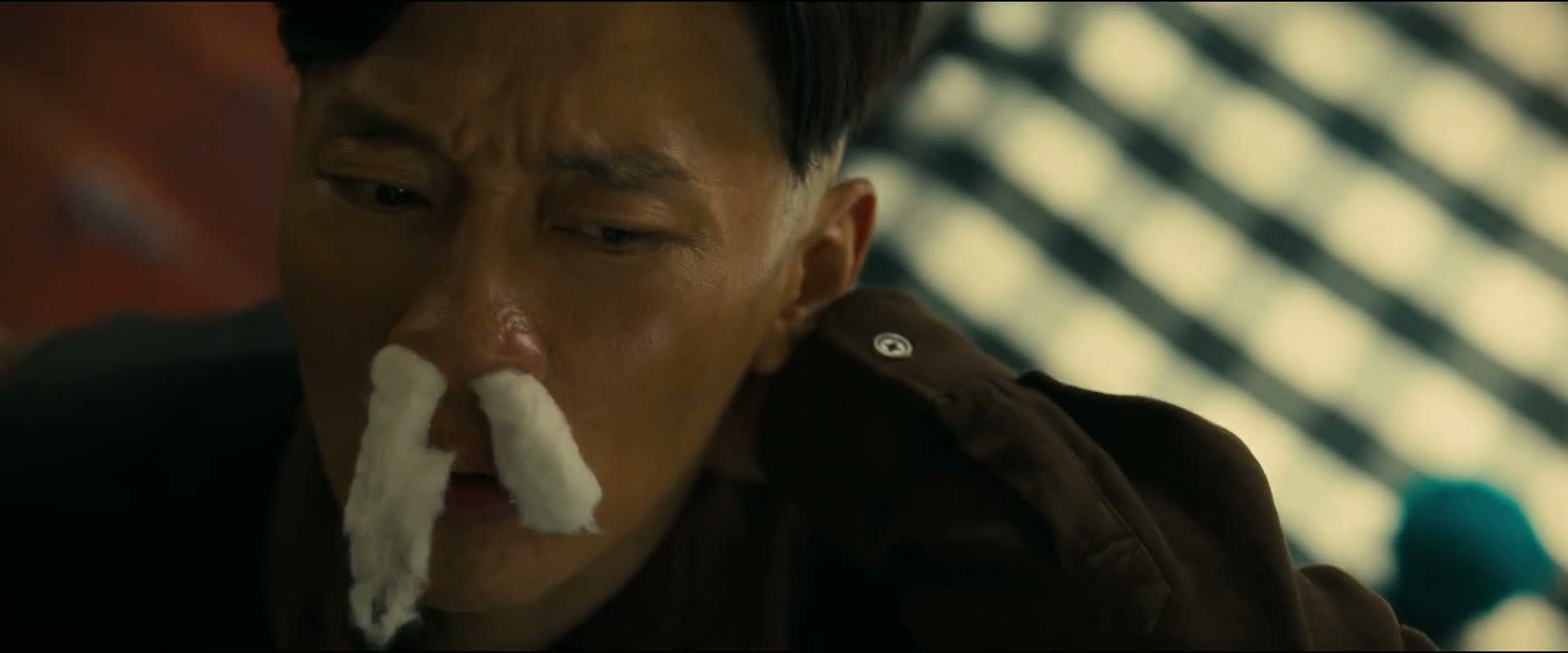
“I must be blessed by my ancestors”
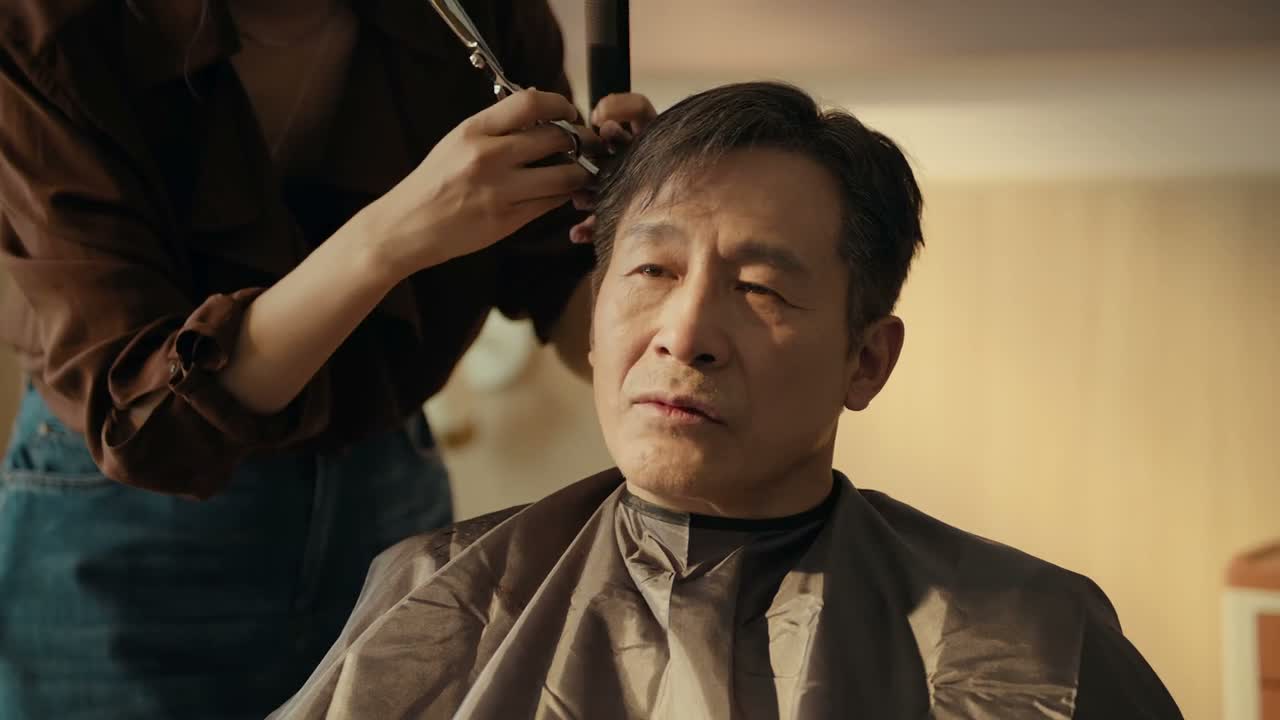
“our family still felt like a family.”
“and you wanted to hear the story of our family.”