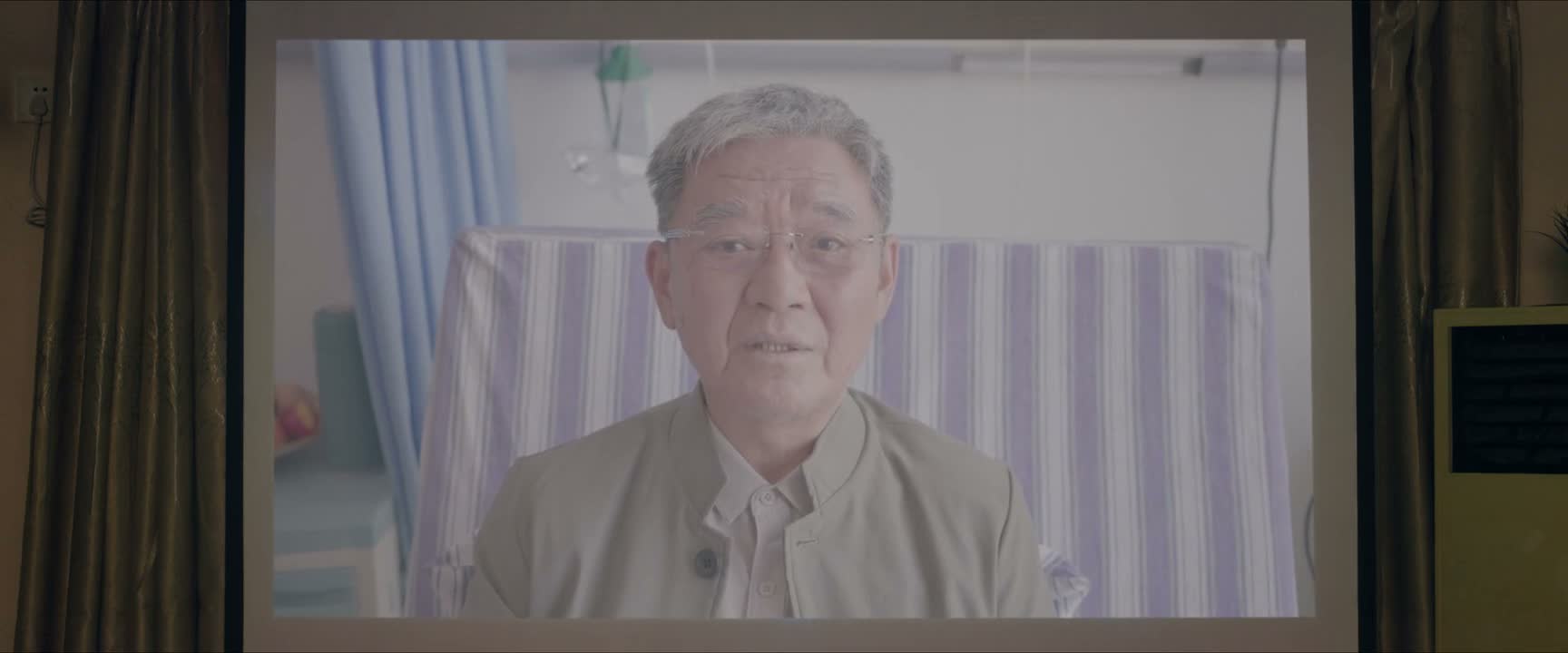
你啥时候回来看爷爷
“when are you coming back to see me?”
THE DIALOGUE REEL
松格
“Songge,”
你 啥时候回来 看爷爷
“when are you coming back to see me?”
“I'll be back to visit you in a couple of days.”
“I miss you dearly; please come visit me soon.”
Chinese grandparents frequently express profound affection by anticipating visits from the younger generation rather than stating 'I miss you' directly.
LEARNING CHUNKS & PARTICLES
when (colloquial)
An informal spoken equivalent of '什么时候', predominantly used in Northern Chinese dialects and casual speech.
come back to visit
Standard phrase used when returning home to visit family elders.
VOCABULARY & EXPRESSIONS
Parallel Spoken Cinema Scenes (语义近邻切片)

“and to go home to look after Grandpa.”

“Grandpa, why haven't you come see me?”
“you've had no time to think about me?”

“I want to visit my hometown.”

“I heard your grandfather passed away.”
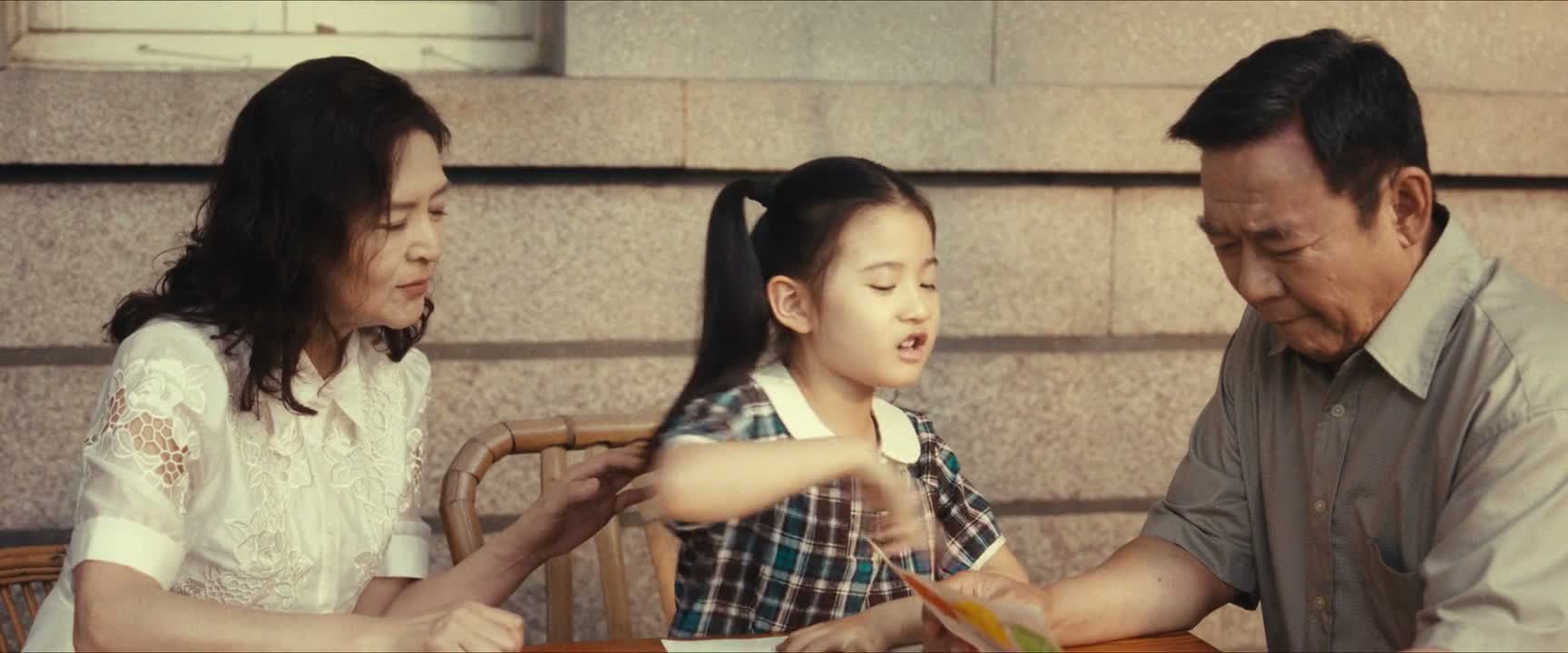
“I want Grandpa's.”