MC
MandarinClips Cinema Corpus
《The Heir》 S1·E34 (09:49) HSK 6
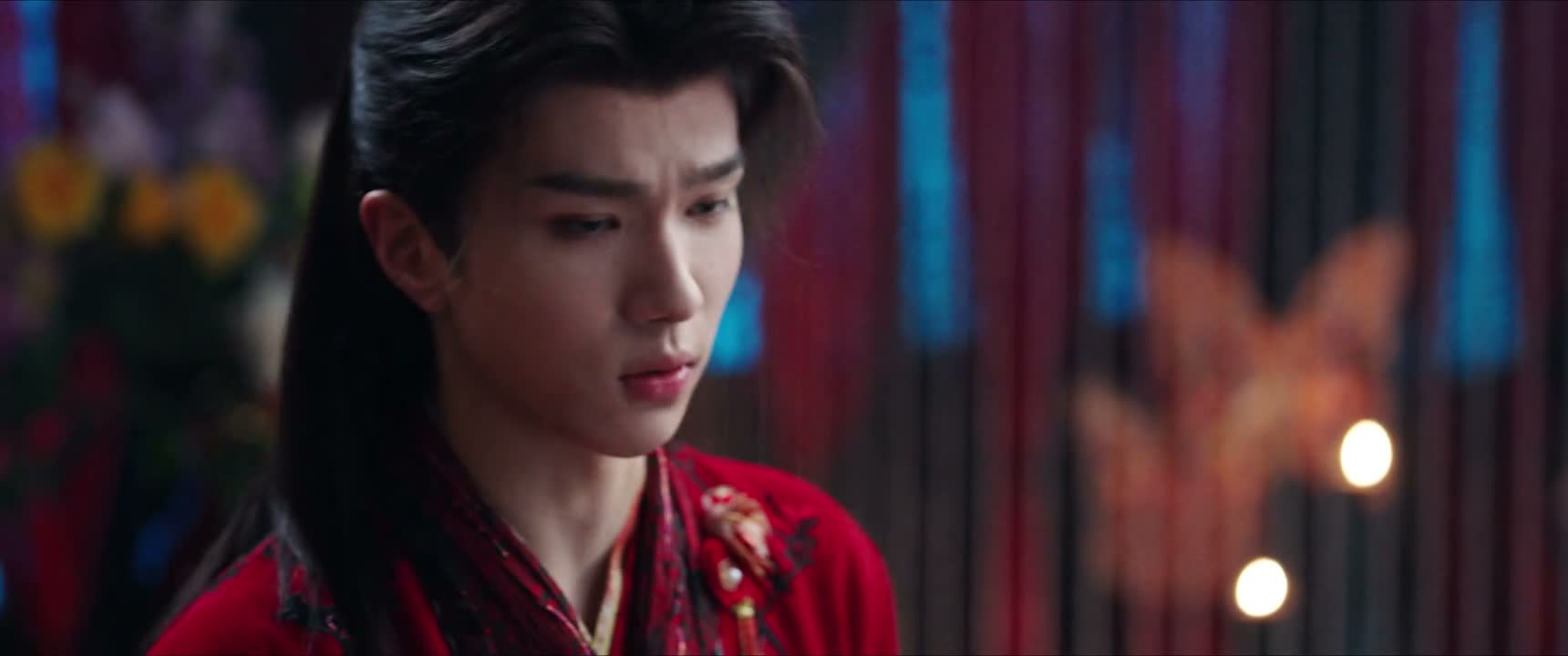
wǒ bù gǎn le wǒ zài yě bù shàn zuò zhǔ zhāng le

我不敢了 我再也不擅作主张了

“I won't dare anymore. I will never act on my own again.”

《The Heir》 S1·E34
TIMECODE: 09:49 · 1080P MASTER AUDIO

THE DIALOGUE REEL

1+1+1 SPOKEN CONTINUITY
[-1] PREVIOUS TURN nǐ zhī dào ma gē

你知道吗 哥

“You know that? Brother,”

wǒ bù gǎn le wǒ zài yě bù shàn zuò zhǔ zhāng le CURRENT FOCUS

我不敢了 我 再也不 擅作主张 了

“I won't dare anymore. I will never act on my own again.”

[+1] FOLLOW-UP TURN jiào shàng nǐ nà qún xiōng dì suí wǒ qù nà ge mò fāng

叫上你那群兄弟 随我去那个墨坊

“Call your brothers. Follow me to that ink workshop.”

Subtitles synced to millisecond timecode Browse Show Clips →
Scene: Crisis & Conflict
Function: ADMITTING FAULT
Tone: APOLOGETIC
Emotion: FEAR
WHAT THEY REALLY MEAN (PRAGMATIC SUBTEXT)

Direct spoken expression in this communicative setting.

💡 Cultural Insight: Subordination and Kinship Authority

In Chinese family or brotherhood hierarchies, younger members must acknowledge authority and avoid unilateral actions that jeopardize the group.

INTENT TAGS: #apologizing #submitting #promising #pleading
🧩

LEARNING CHUNKS & PARTICLES

2 CHUNKS · 1 PARTICLES
不敢了 SPOKEN CHUNK

dare not do it again

Used when apologizing profusely to yield to a superior's or elder's anger.

擅作主张 SPOKEN CHUNK

act on one's own initiative without permission

A frequent idiom used when confessing to overstepping boundaries or making unauthorized decisions.

Modal Particle「了」 (le) CHANGE OF STATE

Indicates a change of state and definitive commitment to stop the wrongful behavior.
🏮

VOCABULARY & EXPRESSIONS

3 EXPR · 0 GRAMMAR
CROSS-CINEMA CORPUS BOARD · PARALLEL SCENES

Parallel Spoken Cinema Scenes (语义近邻切片)

EXPLORE BY SEMANTIC SIMILARITY
《The Heir》 S1·E34 (09:49) · Authentic Cinema Dialogue Corpus