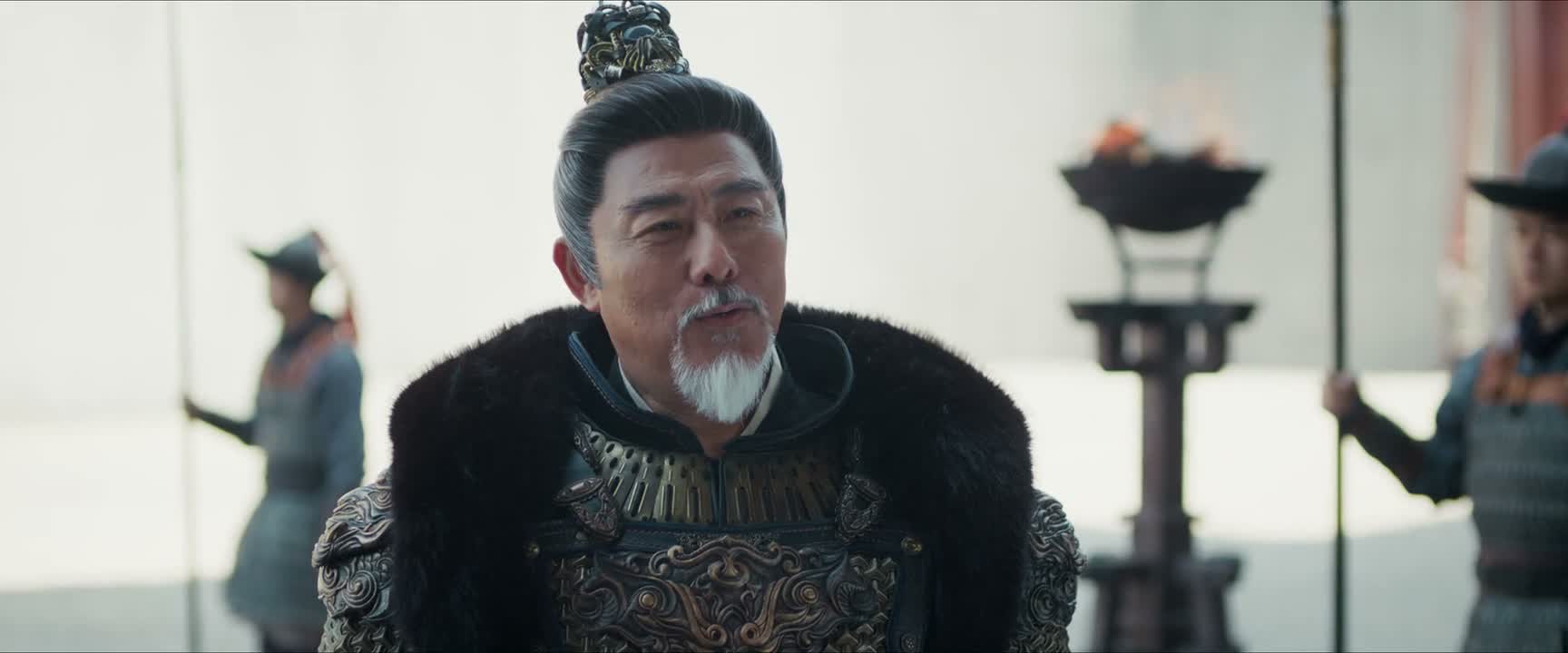
《Love Story in the 1970s》 S1·E11 (27:27)
HSK 4
nǐ zhī dào wǒ yǒu duō xiàn mù nǐ ma
你知道我有多羡慕你吗
“Do you know how much I envy you?”
《Love Story in the 1970s》
S1·E11
TIMECODE: 27:27
·
1080P MASTER AUDIO
THE DIALOGUE REEL
[-1] PREVIOUS TURN
tā shuō tā gēn nǐ mā hěn ài nǐ
他说他跟你妈很爱你
“He and your mom love you very much.”
nǐ zhī dào wǒ yǒu duō xiàn mù nǐ ma
CURRENT FOCUS
你知道 我有 多羡慕 你吗
“Do you know how much I envy you?”
[+1] FOLLOW-UP TURN
xiàn mù wǒ shén me ya
羡慕我什么呀
“Envy me for what?”
Subtitles synced to millisecond timecode
Browse Show Clips →
Scene:
Social & Dating
Function:
EXPRESSING ENVY
Tone:
WISTFUL
Emotion:
LONGING
WHAT THEY REALLY MEAN (PRAGMATIC SUBTEXT)
“You take your parents' love for granted, while I would give anything to experience that kind of love.”
💡 Cultural Insight: Unspoken Emotional Deprivation
In many traditional Chinese households, overt verbal love is rare; witnessing unconditional parental affection evokes profound longing in peers who lacked it.
INTENT TAGS:
#confessing
#expressing_envy
#seeking_connection
#showing_vulnerability
🧩
1 CHUNKS · 1 PARTICLES
LEARNING CHUNKS & PARTICLES
有多羡慕
SPOKEN CHUNK
how much I envy / how jealous I am
Commonly used in heartfelt, intimate talks to express deep yearning for something someone else enjoys.
Modal Particle「吗」 (ma)
CHANGE OF STATE
Ends a rhetorical question that prompts the listener to reflect on their own good fortune.
🏮
2 EXPR · 0 GRAMMAR
VOCABULARY & EXPRESSIONS
COLLOQUIAL EXPRESSIONS:
CROSS-CINEMA CORPUS BOARD · PARALLEL SCENES
EXPLORE BY SEMANTIC SIMILARITY
Parallel Spoken Cinema Scenes (语义近邻切片)

《Love Story in the 1970s》 S1·E11 (27:27) · Authentic Cinema Dialogue Corpus