他下乡的时候犯没犯过事
“Did he get into trouble in the countryside?”
THE DIALOGUE REEL
他谈没谈过对象
“Has he dated anyone before?”
他下乡 的时候 犯没犯过事
“Did he get into trouble in the countryside?”
他有没有孩子
“Does he have a child?”
“I need to ensure he has a spotless record and won't bring trouble or shame to our family.”
During the Cultural Revolution, millions of urban youth were relocated to rural villages; their conduct during this period often defined their political and social standing later in life.
Traditional Chinese families thoroughly scrutinize a suitor's personal past, political background, and moral record prior to approving a marriage.
LEARNING CHUNKS & PARTICLES
go down to the countryside
Refers historically to the Down to the Countryside Movement where urban youth were sent to rural areas.
commit a crime or get into trouble
A common colloquial term referring to breaking rules, committing illegal acts, or facing disciplinary action.
VOCABULARY & EXPRESSIONS
Parallel Spoken Cinema Scenes (语义近邻切片)
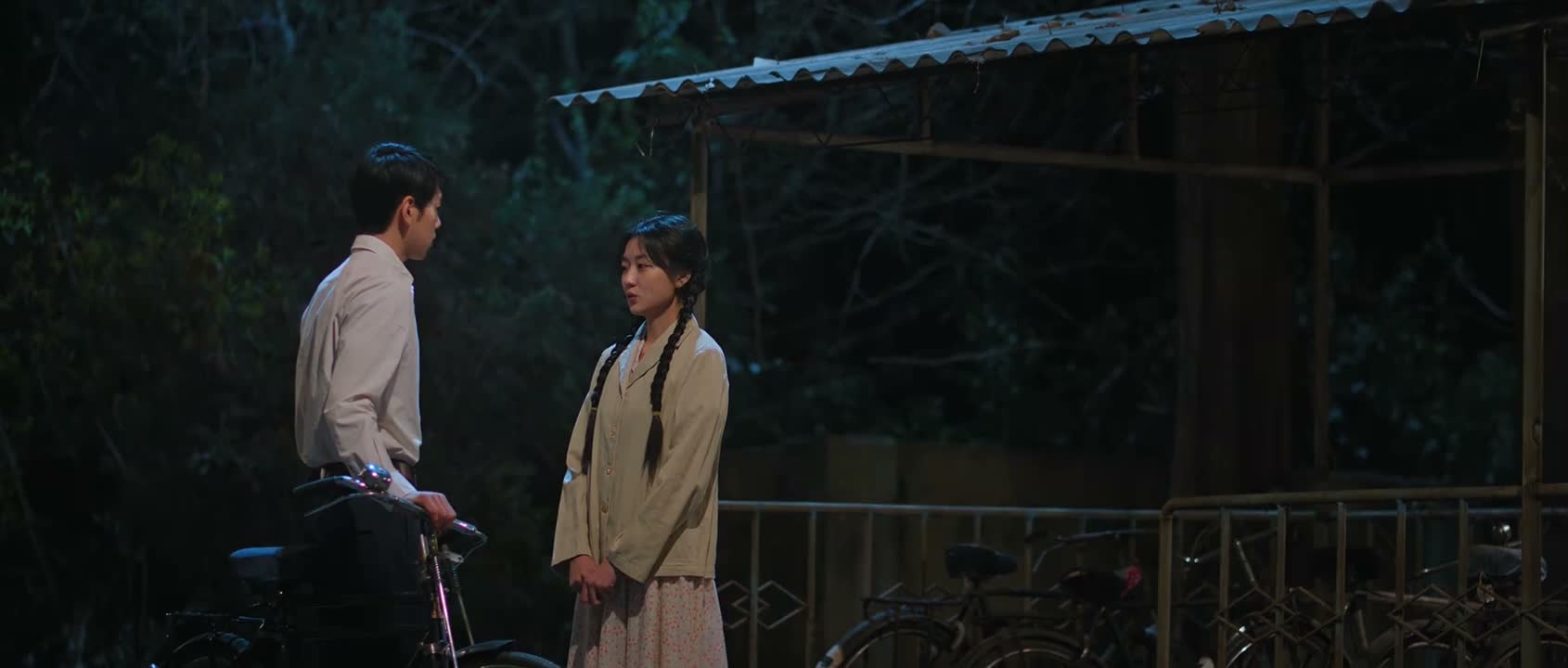
“I was the one who was supposed to be sent to the countryside.”

“I went to the countryside, reclaimed the barren lands,”

“and, fearing retaliation,”

“I went to a nearby village”

“He spent his entire youth in the countryside. He'll return to the city soon.”

“I come from the countryside. I usually just focus on studying”