我是她爱人 现在可以管了吧
“I'm her husband. Does that give me the right?”
THE DIALOGUE REEL
“Who are you? What's it to you?”
我是 她爱人 现在 可以管了吧
“I'm her husband. Does that give me the right?”
我要是把脚放下去 你愿意吗
“If I put my feet down, would you like it?”
Direct spoken expression in this communicative setting.
In Chinese public conflicts, establishing oneself as a family member or spouse immediately justifies defending the party and invalidates claims of being an outsider.
LEARNING CHUNKS & PARTICLES
spouse / husband or wife
A traditional mainland term for one's spouse, often used to assert clear marital legitimacy.
none of your business
A blunt, aggressive rhetorical phrase used to reject someone's unsolicited involvement.
Indicates a newly established state or condition that validates the speaker's right to act.
Adds a rhetorical, challenging edge to the question, demanding acquiescence.
VOCABULARY & EXPRESSIONS
Parallel Spoken Cinema Scenes (语义近邻切片)
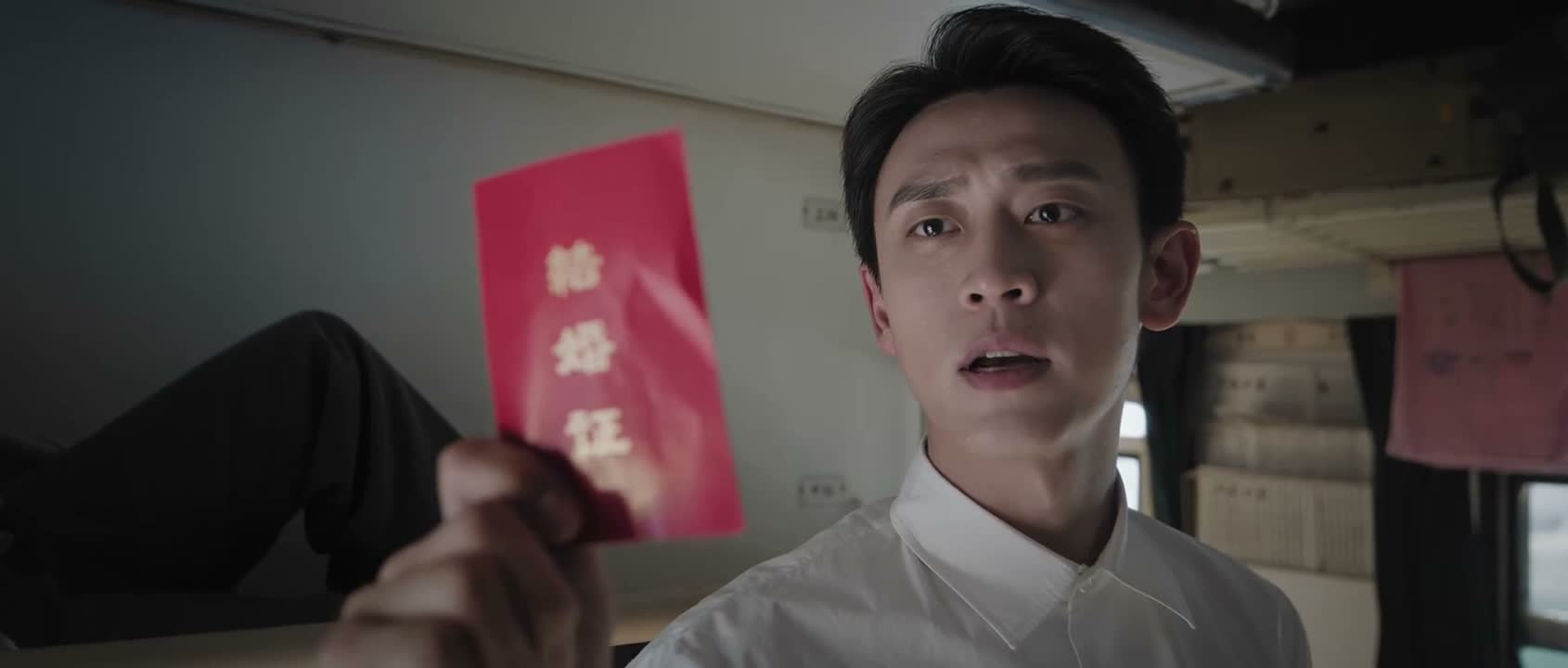
“I'm her husband. (Marriage Certificate) Can I interfere now?”

“So you're the one she likes.”
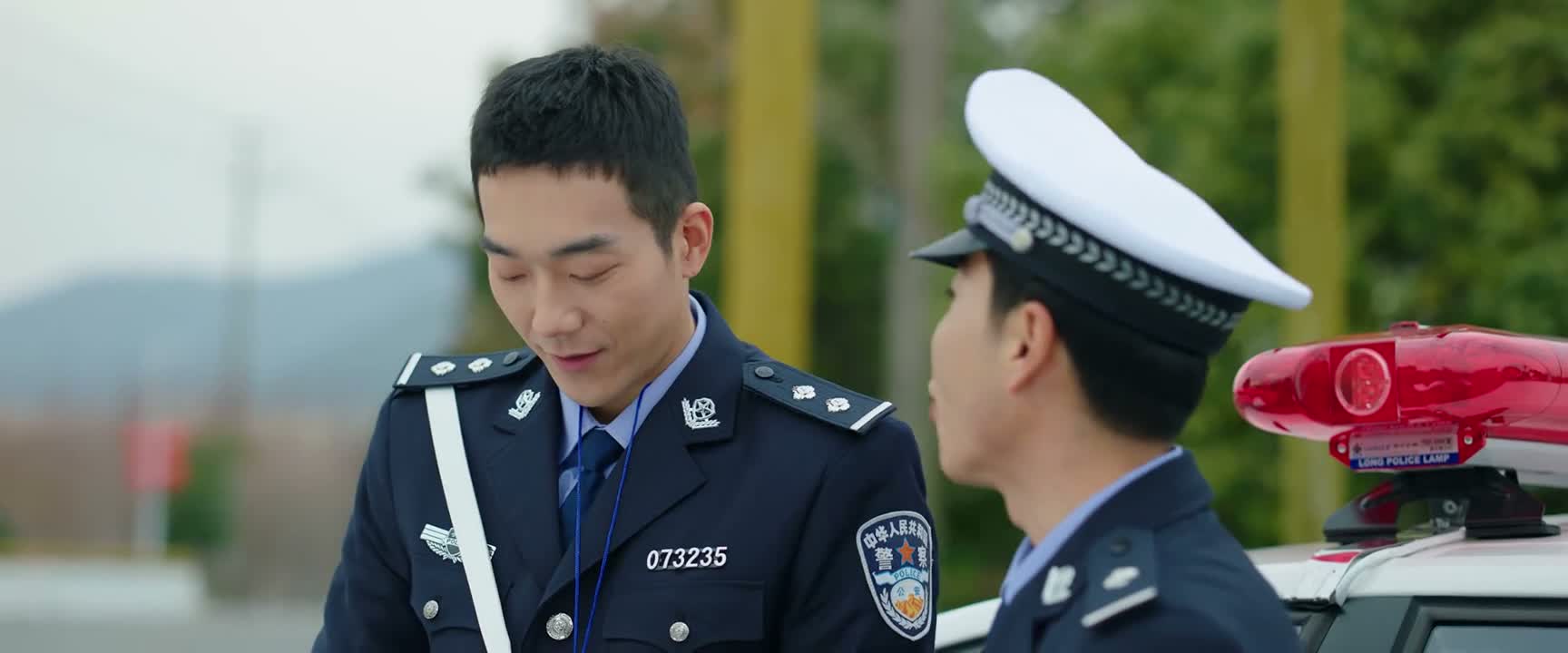
“My wife really likes her too.”