MC
MandarinClips Cinema Corpus
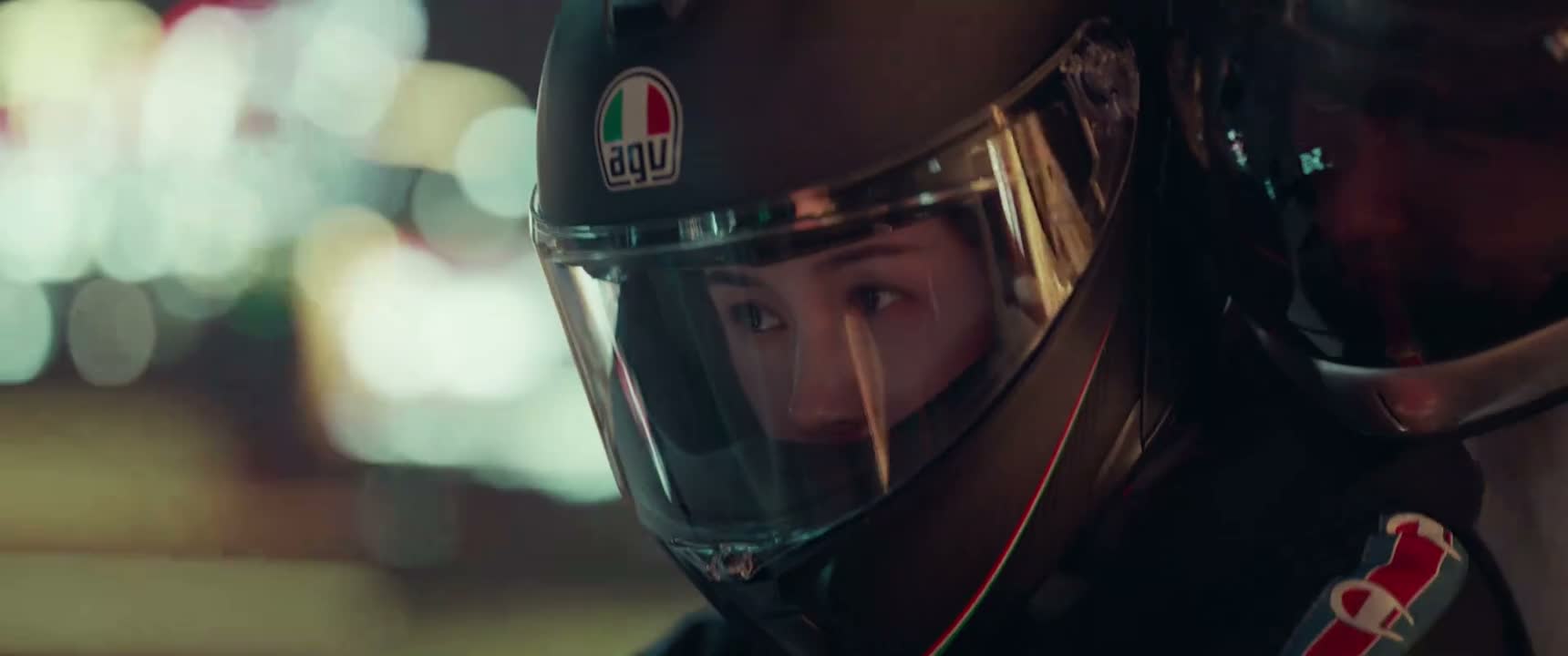
《Go Ahead》 S1·E7 (16:20) HSK 5
tā zhǎo nǐ dào dǐ gàn shén me tā xiǎng rèn wǒ bèi wǒ jù jué le

他找你到底干什么 他想认我 被我拒绝了

“What does he want with you? He wants me to go with him, but I refused!”

《Go Ahead》 S1·E7
TIMECODE: 16:20 · 1080P MASTER AUDIO

THE DIALOGUE REEL

1+1+1 SPOKEN CONTINUITY
[-1] PREVIOUS TURN hè zi qiū nǐ bié zhuǎn yí huà tí

“He Ziqiu, don't change the subject!”

tā zhǎo nǐ dào dǐ gàn shén me tā xiǎng rèn wǒ bèi wǒ jù jué le CURRENT FOCUS

他 找你 到底干什么 他想 认我 被我拒绝了

“What does he want with you? He wants me to go with him, but I refused!”

[+1] FOLLOW-UP TURN wǒ shuō nǐ shì zěn me zhè me duō ya

我说你事怎么这么多呀

“Why are you so meddlesome?”

Subtitles synced to millisecond timecode Browse Show Clips →
Scene: Crisis & Conflict
Function: DEMANDING EXPLANATION
Tone: BLUNT
Emotion: FRUSTRATION
WHAT THEY REALLY MEAN (PRAGMATIC SUBTEXT)
“Stop beating around the bush—tell me what he wanted. Don't worry, I turned him down completely.”
💡 Cultural Insight: Kinship Recognition (认亲)

The act of 'recognizing' a long-lost biological child carries immense legal, emotional, and moral implications in Chinese family structure, often causing severe conflict with adoptive families.

INTENT TAGS: #inquiry #reassurance #confrontation #boundary_setting
🧩

LEARNING CHUNKS & PARTICLES

2 CHUNKS · 1 PARTICLES
到底干什么 SPOKEN CHUNK

what on earth (is he) doing / what does he want

Used when demanding a direct answer after feeling evasiveness or prolonged confusion.

认我 SPOKEN CHUNK

to recognize/acknowledge me as his child/relative

Refers specifically to acknowledging kinship, often after estrangement or adoption.

Modal Particle「了」 (le) CHANGE OF STATE

Marks the completion of the action (the rejection) as a settled matter.
🏮

VOCABULARY & EXPRESSIONS

4 EXPR · 0 GRAMMAR
CROSS-CINEMA CORPUS BOARD · PARALLEL SCENES

Parallel Spoken Cinema Scenes (语义近邻切片)

EXPLORE BY SEMANTIC SIMILARITY
《Go Ahead》 S1·E7 (16:20) · Authentic Cinema Dialogue Corpus