MC
MandarinClips Cinema Corpus
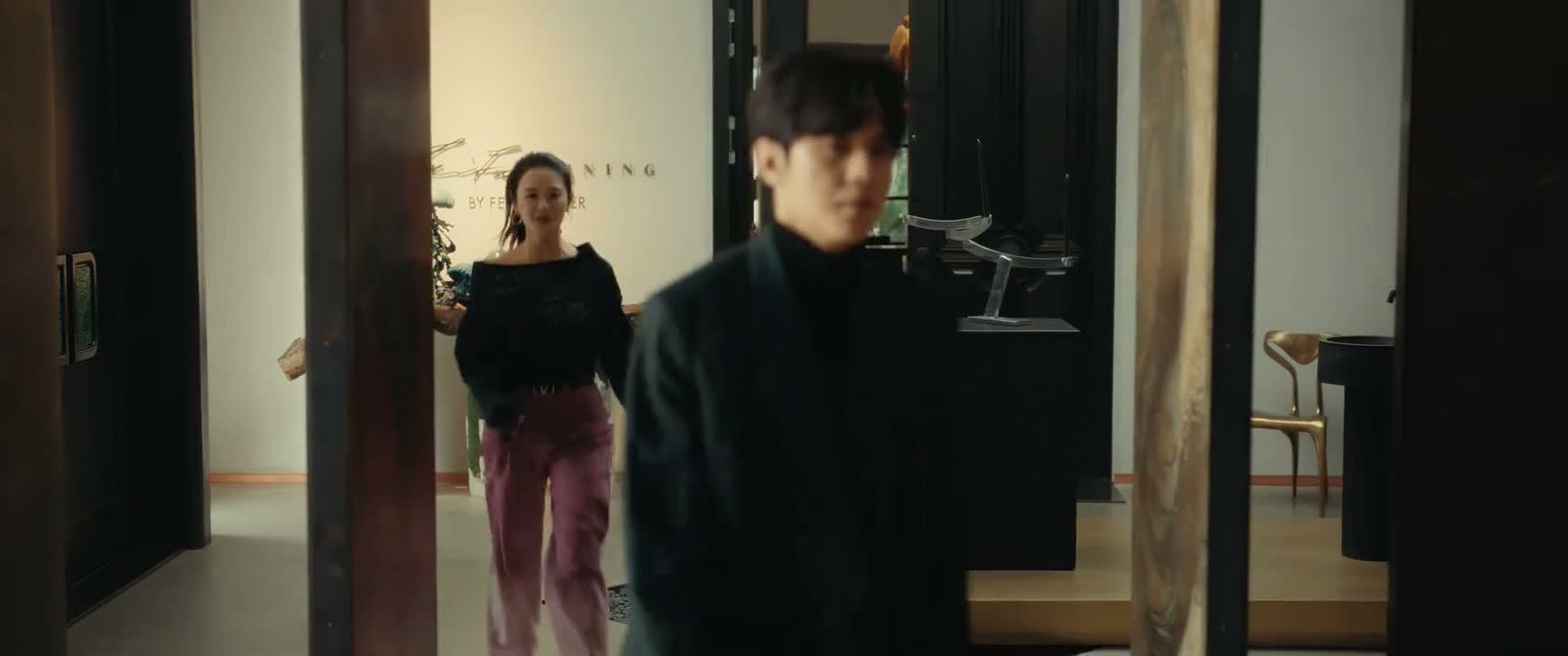
《Go Ahead》 S1·E7 (16:10) HSK 2
wǒ dōu yǐ jīng shuō guò le wǒ bù xiǎng shuō wǒ bù xiǎng dā lǐ tā

我都已经说过了 我不想说 我不想搭理他

“I've told you that I don't want to talk about it and I don't want to see him!”

《Go Ahead》 S1·E7
TIMECODE: 16:10 · 1080P MASTER AUDIO

THE DIALOGUE REEL

1+1+1 SPOKEN CONTINUITY
[-1] PREVIOUS TURN méi jǐ cì nǐ wèi shén me bù shuō

“Just a few times. Why didn't you tell us?”

wǒ dōu yǐ jīng shuō guò le wǒ bù xiǎng shuō wǒ bù xiǎng dā lǐ tā CURRENT FOCUS

我都已经 说过了 我不想 说 我 不想搭理他

“I've told you that I don't want to talk about it and I don't want to see him!”

[+1] FOLLOW-UP TURN yǒu shén me hǎo shuō de

有什么好说的

“There's nothing to talk about!”

Subtitles synced to millisecond timecode Browse Show Clips →
Scene: Crisis & Conflict
Function: REFUSING TO COMMUNICATE
Tone: DEFENSIVE AND IMPATIENT
Emotion: FRUSTRATION
WHAT THEY REALLY MEAN (PRAGMATIC SUBTEXT)
“Stop forcing me to talk about him; I want nothing to do with him.”
💡 Cultural Insight: Boundary Setting in Close Relationships

In Chinese family or peer dynamics, repeated questioning often intrudes on personal grievances, prompting sharp declarations of emotional disengagement.

INTENT TAGS: #stonewalling #refusal #impatience #defensiveness
🧩

LEARNING CHUNKS & PARTICLES

2 CHUNKS · 1 PARTICLES
我都已经说过了 SPOKEN CHUNK

I have already said so many times / I've already told you

Used to express annoyance when being repeatedly questioned about something previously clarified.

不想搭理 SPOKEN CHUNK

not want to acknowledge / not want to deal with

A colloquial phrase indicating deliberate emotional detachment or the silent treatment toward someone.

Modal Particle「了」 (le) CHANGE OF STATE

Marks completed action and reinforces the speaker's irritation at having to repeat themselves.
🏮

VOCABULARY & EXPRESSIONS

3 EXPR · 0 GRAMMAR
CROSS-CINEMA CORPUS BOARD · PARALLEL SCENES

Parallel Spoken Cinema Scenes (语义近邻切片)

EXPLORE BY SEMANTIC SIMILARITY
《Go Ahead》 S1·E7 (16:10) · Authentic Cinema Dialogue Corpus