《The Imperial Coroner》 S2·E1 (25:16)
HSK 7
shuō míng tā shēng qián jīng cháng yá téng
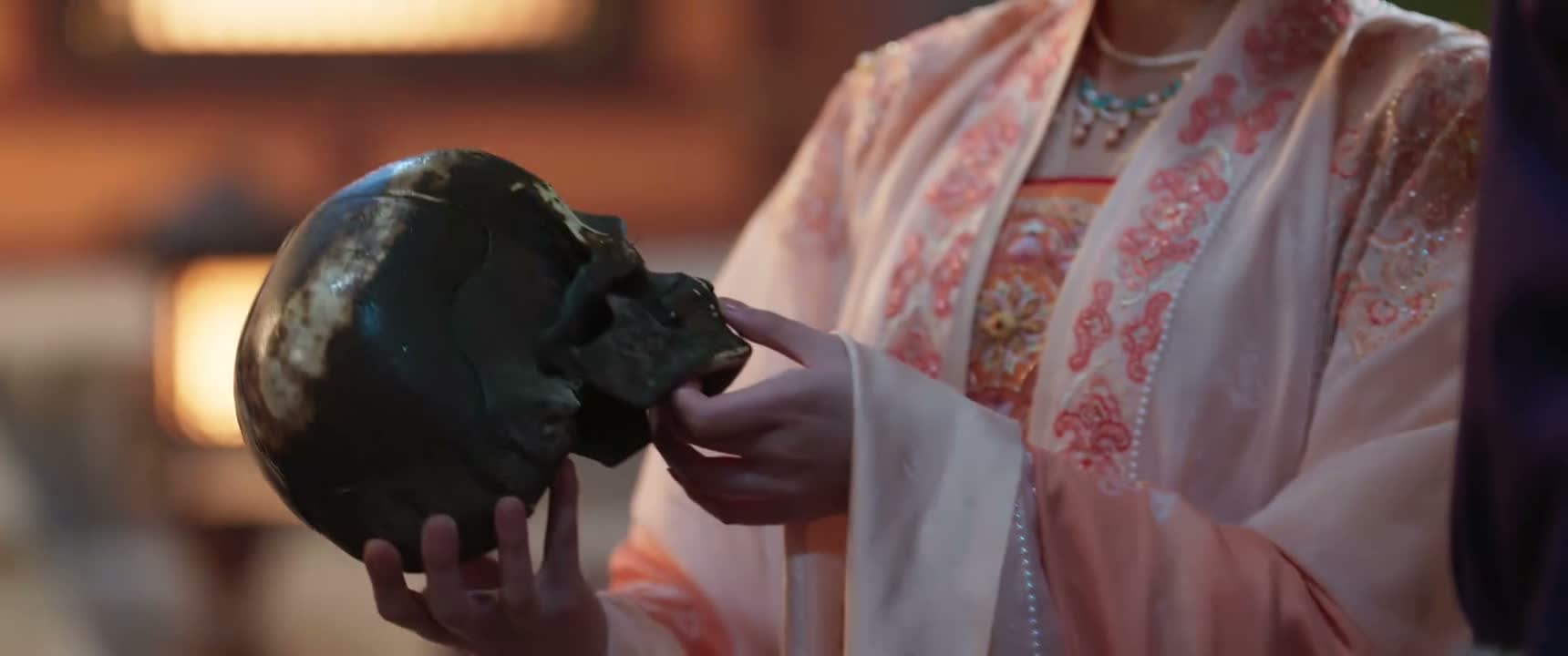
说明他生前经常牙疼
“showing he often had toothaches.”
《The Imperial Coroner》
S2·E1
TIMECODE: 25:16
·
1080P MASTER AUDIO
THE DIALOGUE REEL
[-1] PREVIOUS TURN
sǐ zhě zhè kē yá chǐ shēng qián shì huài diào de
“This tooth of the deceased was decayed in life,”
shuō míng tā shēng qián jīng cháng yá téng
CURRENT FOCUS
说明他生前经常牙疼
“showing he often had toothaches.”
[+1] FOLLOW-UP TURN
yǐn shí yǒu hěn duō jì kǒu
饮食有很多忌口
“He likely had dietary restrictions.”
Subtitles synced to millisecond timecode
Browse Show Clips →
Scene:
Legal & Police
Function:
ANALYZING EVIDENCE
Tone:
OBJECTIVE
Emotion:
CALM
WHAT THEY REALLY MEAN (PRAGMATIC SUBTEXT)
Direct spoken expression in this communicative setting.
💡 Cultural Insight: Traditional Autopsy Deductions
Traditional Chinese forensic medicine, exemplified by works like the Xiyuan Jilu, placed heavy emphasis on linking minor physical post-mortem anomalies to daily living habits.
INTENT TAGS:
#deduction
#autopsy_analysis
#forensic_report
#explaining
🧩
2 CHUNKS · 0 PARTICLES
LEARNING CHUNKS & PARTICLES
生前
SPOKEN CHUNK
during one's lifetime / before death
A formal term used routinely in medical, legal, and forensic contexts when describing the deceased.
牙疼
SPOKEN CHUNK
toothache
The standard colloquial and clinical term for dental pain.
🏮
1 EXPR · 4 GRAMMAR
VOCABULARY & EXPRESSIONS
COLLOQUIAL EXPRESSIONS:
GRAMMAR BLUEPRINTS:
CROSS-CINEMA CORPUS BOARD · PARALLEL SCENES
EXPLORE BY SEMANTIC SIMILARITY
Parallel Spoken Cinema Scenes (语义近邻切片)
《The Imperial Coroner》 S2·E1 (25:16) · Authentic Cinema Dialogue Corpus