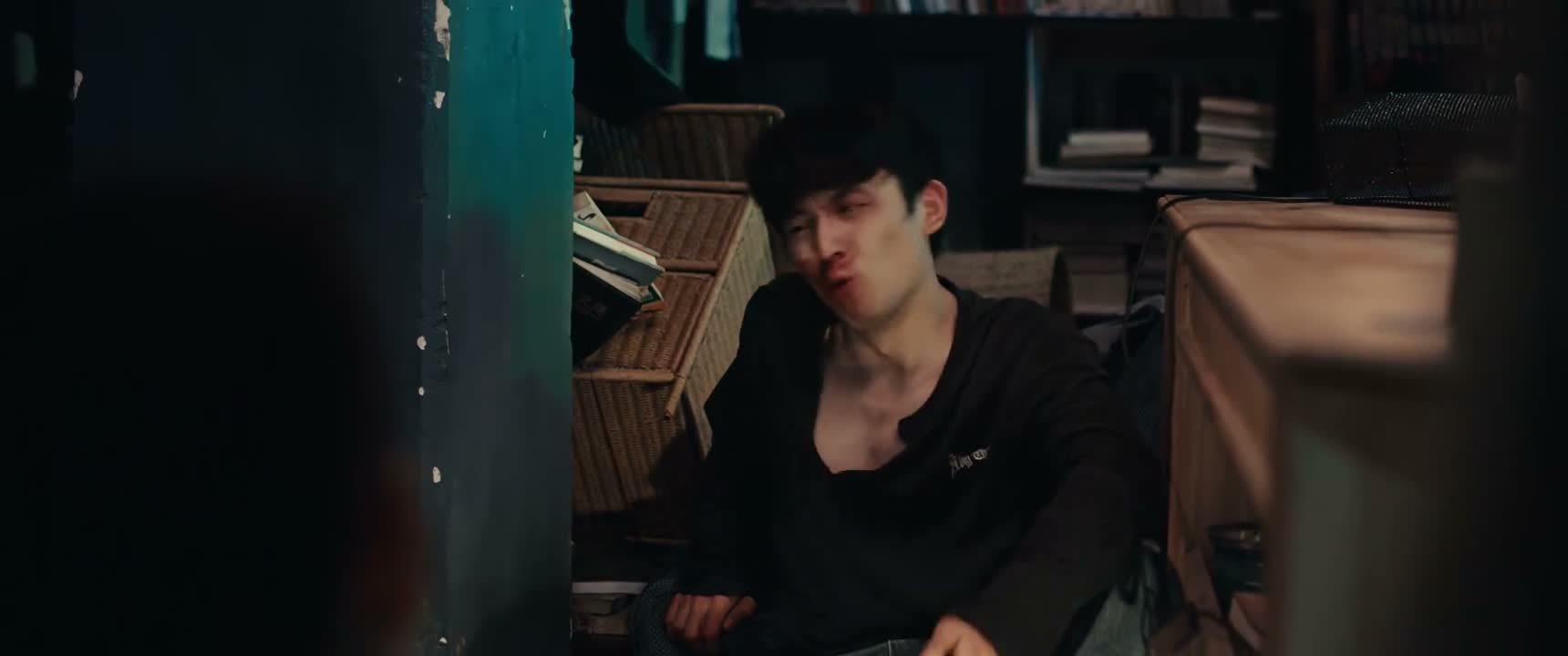
《The Dark Romance》 S1·E9 (30:08)
HSK 5
bù yīng gāi qù ān wèi tā zhī chí tā ma
不应该去安慰她 支持她吗
“someone who is sad and upset when we see them?”
《The Dark Romance》
S1·E9
TIMECODE: 30:08
·
1080P MASTER AUDIO
THE DIALOGUE REEL
[-1] PREVIOUS TURN
nán dào wǒ men jiàn dào yí gè shāng xīn nán guò de rén
“shouldn't we comfort and support”
bù yīng gāi qù ān wèi tā zhī chí tā ma
CURRENT FOCUS
不应该 去 安慰她 支持她 吗
“someone who is sad and upset when we see them?”
[+1] FOLLOW-UP TURN
nán dào nǐ zhè bù jiào chéng rén zhī wēi ma
“Isn't that taking advantage of someone's vulnerability?”
Subtitles synced to millisecond timecode
Browse Show Clips →
Scene:
Crisis & Conflict
Function:
MORAL JUSTIFICATION
Tone:
ASSERTIVE
Emotion:
RIGHTEOUSNESS
WHAT THEY REALLY MEAN (PRAGMATIC SUBTEXT)
“I did the right and compassionate thing; don't make my kindness look like something sinister.”
💡 Cultural Insight: Moral High Ground in Interpersonal Conflicts
In Chinese moral argumentation, invoking sympathy for the vulnerable (同情弱者) is an effective strategy to discredit accusations of opportunism.
INTENT TAGS:
#self_defense
#moral_appeal
#justification
#counterattack
🧩
2 CHUNKS · 1 PARTICLES
LEARNING CHUNKS & PARTICLES
不应该……吗
SPOKEN CHUNK
shouldn't [one]...?
A rhetorical pattern used to assert moral obligations or common sense while challenging the interlocutor.
安慰
SPOKEN CHUNK
to comfort / console
Frequently paired with friends or loved ones experiencing distress, grief, or setbacks.
Modal Particle「吗」 (ma)
CHANGE OF STATE
Turns the sentence into a rhetorical question to demand agreement and stress moral obviousness.
🏮
3 EXPR · 1 GRAMMAR
VOCABULARY & EXPRESSIONS
COLLOQUIAL EXPRESSIONS:
GRAMMAR BLUEPRINTS:
CROSS-CINEMA CORPUS BOARD · PARALLEL SCENES
EXPLORE BY SEMANTIC SIMILARITY
Parallel Spoken Cinema Scenes (语义近邻切片)

《The Dark Romance》 S1·E9 (30:08) · Authentic Cinema Dialogue Corpus