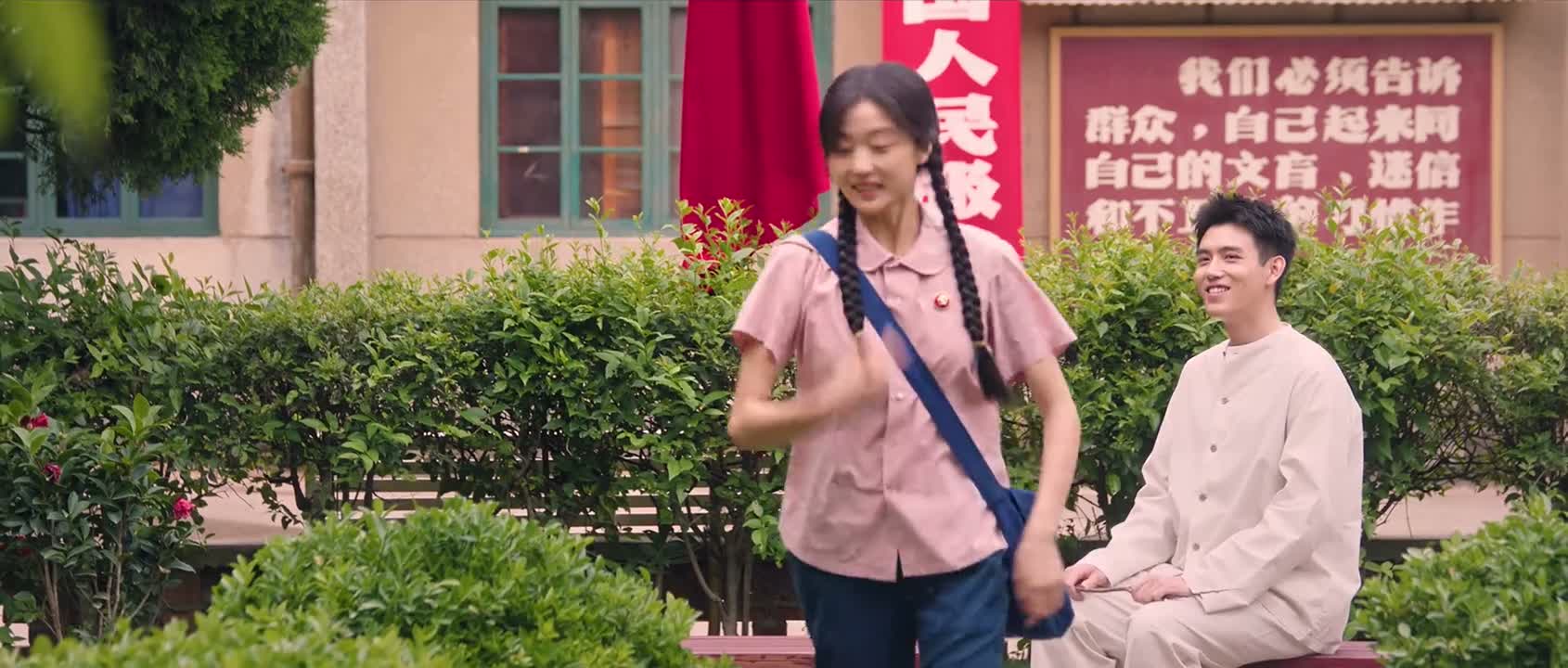
《Love Story in the 1970s》 S1·E3 (26:20)
HSK 4
nǐ jì de ràng tā bǎ yào chī le ń
你记得让他把药吃了 嗯
“Have him take his medicine. Okay.”
《Love Story in the 1970s》
S1·E3
TIMECODE: 26:20
·
1080P MASTER AUDIO
THE DIALOGUE REEL
[-1] PREVIOUS TURN
jiù yì fēn zhōng
就一分钟
“Just one minute.”
nǐ jì de ràng tā bǎ yào chī le ń
CURRENT FOCUS
你 记得 让他 把药吃了 嗯
“Have him take his medicine. Okay.”
[+1] FOLLOW-UP TURN
bǎ yào chī le
把药吃了
“Take your medicine.”
Subtitles synced to millisecond timecode
Browse Show Clips →
Scene:
Family & Home
Function:
GIVING INSTRUCTIONS
Tone:
CARING AND INSTRUCTIONAL
Emotion:
CONCERN
WHAT THEY REALLY MEAN (PRAGMATIC SUBTEXT)
Direct spoken expression in this communicative setting.
💡 Cultural Insight: Caregiving Duties (叮嘱)
Frequent reminders about medication and health reflect typical familial care and attentiveness in daily Chinese interactions.
INTENT TAGS:
#reminding
#caregiving
#instructing
#delegating
🧩
2 CHUNKS · 1 PARTICLES
LEARNING CHUNKS & PARTICLES
记得
SPOKEN CHUNK
remember to
Placed before an action clause to remind someone of a duty or instruction.
把药吃了
SPOKEN CHUNK
take the medicine
A common 'ba' disposal structure emphasizing the completion of taking medication.
Modal Particle「了」 (le)
CHANGE OF STATE
Indicates completion of the action of taking medicine.
🏮
2 EXPR · 0 GRAMMAR
VOCABULARY & EXPRESSIONS
COLLOQUIAL EXPRESSIONS:
CROSS-CINEMA CORPUS BOARD · PARALLEL SCENES
EXPLORE BY SEMANTIC SIMILARITY
Parallel Spoken Cinema Scenes (语义近邻切片)
《Love Story in the 1970s》 S1·E3 (26:20) · Authentic Cinema Dialogue Corpus