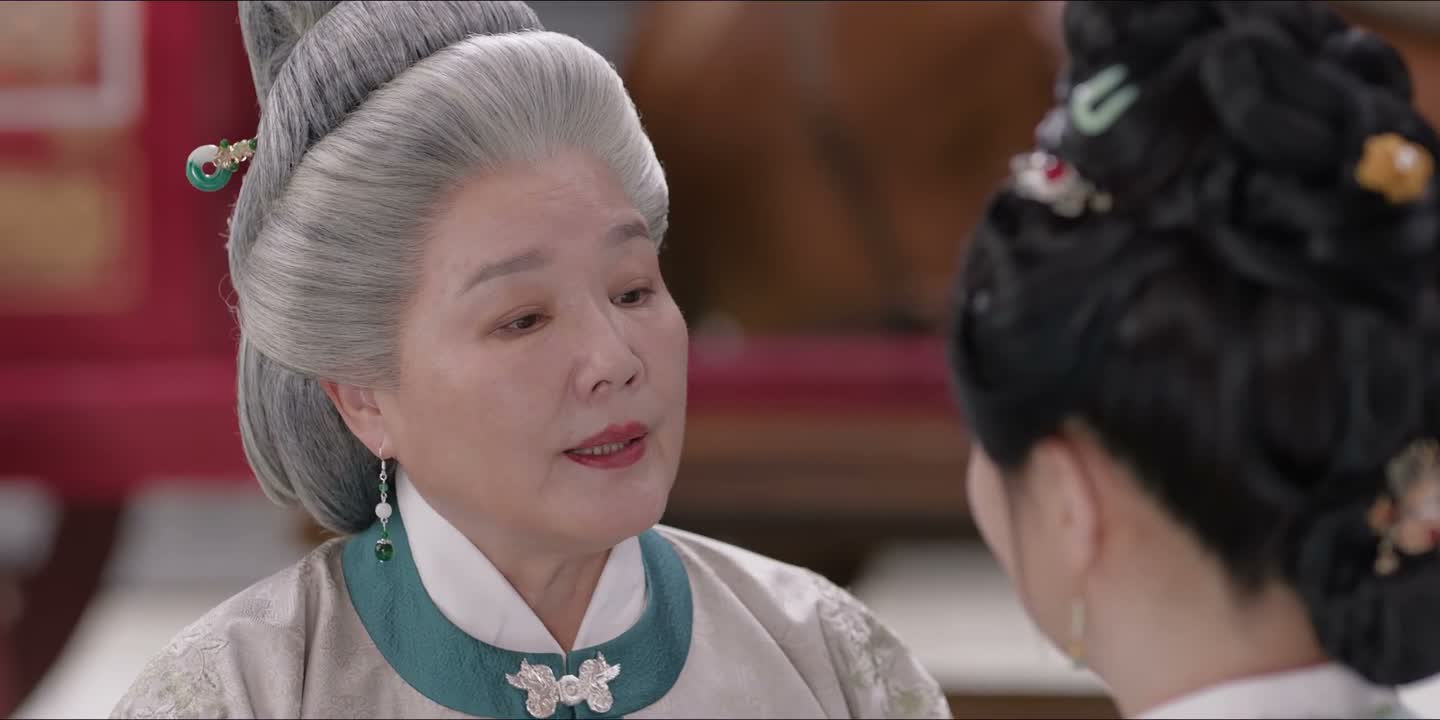
《Love Story in the 1970s》 S1·E3 (10:04)
HSK 7
nǐ yě yǒu nǐ de nán chǔ
你也有你的难处
“You have your own difficulties, too.”
《Love Story in the 1970s》
S1·E3
TIMECODE: 10:04
·
1080P MASTER AUDIO
THE DIALOGUE REEL
[-1] PREVIOUS TURN
nǐ shì bú shì yě hé nà xiē hù shì yī yàng jué de wǒ shì gè lěng xuè dòng wù
你是不是也和那些护士一样 觉得我是个冷血动物
“Do you see me the same way the other nurses do? Like I'm cold-blooded?”
nǐ yě yǒu nǐ de nán chǔ
CURRENT FOCUS
你 也有 你的 难处
“You have your own difficulties, too.”
Subtitles synced to millisecond timecode
Browse Show Clips →
Scene:
Medical & Health
Function:
COMFORTING
Tone:
SINCERE
Emotion:
EMPATHY
WHAT THEY REALLY MEAN (PRAGMATIC SUBTEXT)
Direct spoken expression in this communicative setting.
💡 Cultural Insight: Empathy for Hardship (谅解与同理心)
Acknowledging someone's '难处' (hidden difficulties) is a culturally polite and warm way to diffuse moral judgment and offer moral support.
INTENT TAGS:
#comforting
#empathy
#validation
#reassurance
🧩
1 CHUNKS · 0 PARTICLES
LEARNING CHUNKS & PARTICLES
有你的难处
SPOKEN CHUNK
to have one's own difficulties or constraints
A highly empathetic phrase used to validate someone's tough decision or behavior when they face judgment.
🏮
2 EXPR · 0 GRAMMAR
VOCABULARY & EXPRESSIONS
COLLOQUIAL EXPRESSIONS:
CROSS-CINEMA CORPUS BOARD · PARALLEL SCENES
EXPLORE BY SEMANTIC SIMILARITY
Parallel Spoken Cinema Scenes (语义近邻切片)
《Love Story in the 1970s》 S1·E3 (10:04) · Authentic Cinema Dialogue Corpus