MC
MandarinClips Cinema Corpus
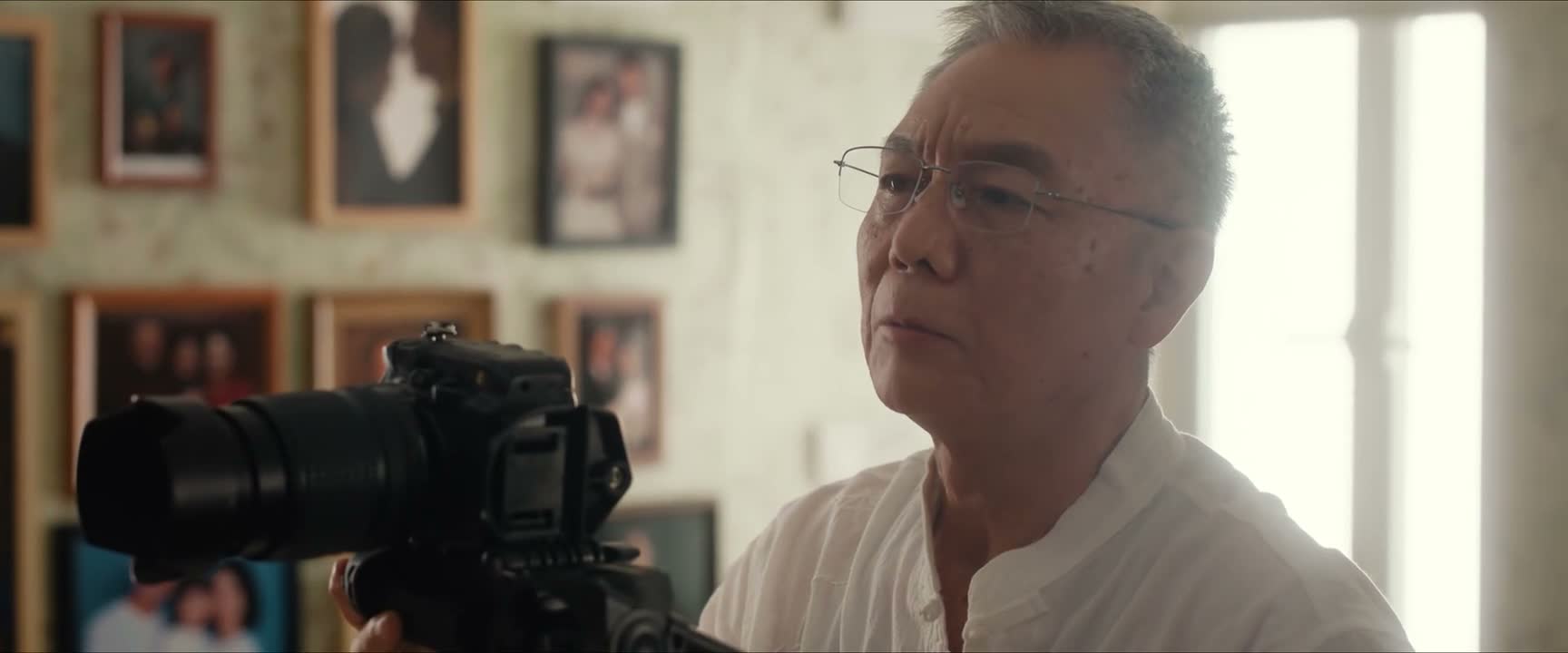
《Live up to Your Youth》 S1·E26 (20:02) HSK 6
zěn me le nǐ men chǎo jià le

怎么了 你们吵架了

“What's wrong? Did you two fight?”

《Live up to Your Youth》 S1·E26
TIMECODE: 20:02 · 1080P MASTER AUDIO

THE DIALOGUE REEL

1+1+1 SPOKEN CONTINUITY
[-1] PREVIOUS TURN bié gēn xú gē shuō a

别跟徐哥说啊

“don't tell Xu, okay?”

zěn me le nǐ men chǎo jià le CURRENT FOCUS

怎么了 你们 吵架了

“What's wrong? Did you two fight?”

[+1] FOLLOW-UP TURN méi yǒu

没有

“No.”

Subtitles synced to millisecond timecode Browse Show Clips →
Scene: Daily Life
Function: INQUIRING WITH CONCERN
Tone: INQUISITIVE
Emotion: CURIOSITY
WHAT THEY REALLY MEAN (PRAGMATIC SUBTEXT)

Direct spoken expression in this communicative setting.

💡 Cultural Insight: Guanxin (Interpersonal Inquisitiveness)

Directly asking close peers if they had a fight is viewed as caring and involved rather than intrusive among friends and close associates.

INTENT TAGS: #inquiry #concern #probing #conflict_detection
🧩

LEARNING CHUNKS & PARTICLES

2 CHUNKS · 1 PARTICLES
吵架 SPOKEN CHUNK

to quarrel; to have an argument

The most common everyday oral word for verbal fighting between partners, friends, or family.

怎么了 SPOKEN CHUNK

what's the matter? / what happened?

A ubiquitous colloquial conversation opener when someone looks upset or an unusual situation arises.

Modal Particle「了」 (le) CHANGE OF STATE

Used at the end of both clauses to indicate completion of a change or event, signaling inquiry about recent occurrences.

🏮

VOCABULARY & EXPRESSIONS

2 EXPR · 0 GRAMMAR
CROSS-CINEMA CORPUS BOARD · PARALLEL SCENES

Parallel Spoken Cinema Scenes (语义近邻切片)

EXPLORE BY SEMANTIC SIMILARITY
《Live up to Your Youth》 S1·E26 (20:02) · Authentic Cinema Dialogue Corpus