他咋了 让蝎子蜇了呗
“What's wrong with him? He got stung by a scorpion.”
THE DIALOGUE REEL
“Keep staring, and I'll smack you both.”
他 咋了 让蝎子蜇了 呗
“What's wrong with him? He got stung by a scorpion.”
你咋知道的
“How do you know?”
Direct spoken expression in this communicative setting.
In Northern spoken Chinese, '让' is frequently used in everyday speech as a passive marker where standard textbook Chinese teaches '被'.
LEARNING CHUNKS & PARTICLES
What happened to him?
A common informal spoken contraction of '怎么了', typical in Northern Chinese dialects.
got stung by...
Colloquial passive construction using '让' instead of '被' to describe insect stings or bites.
Indicates obviousness or a nonchalant attitude toward the explanation.
VOCABULARY & EXPRESSIONS
Parallel Spoken Cinema Scenes (语义近邻切片)

“What's wrong with him? Who are you?”

“What's wrong? You sound a bit off.”
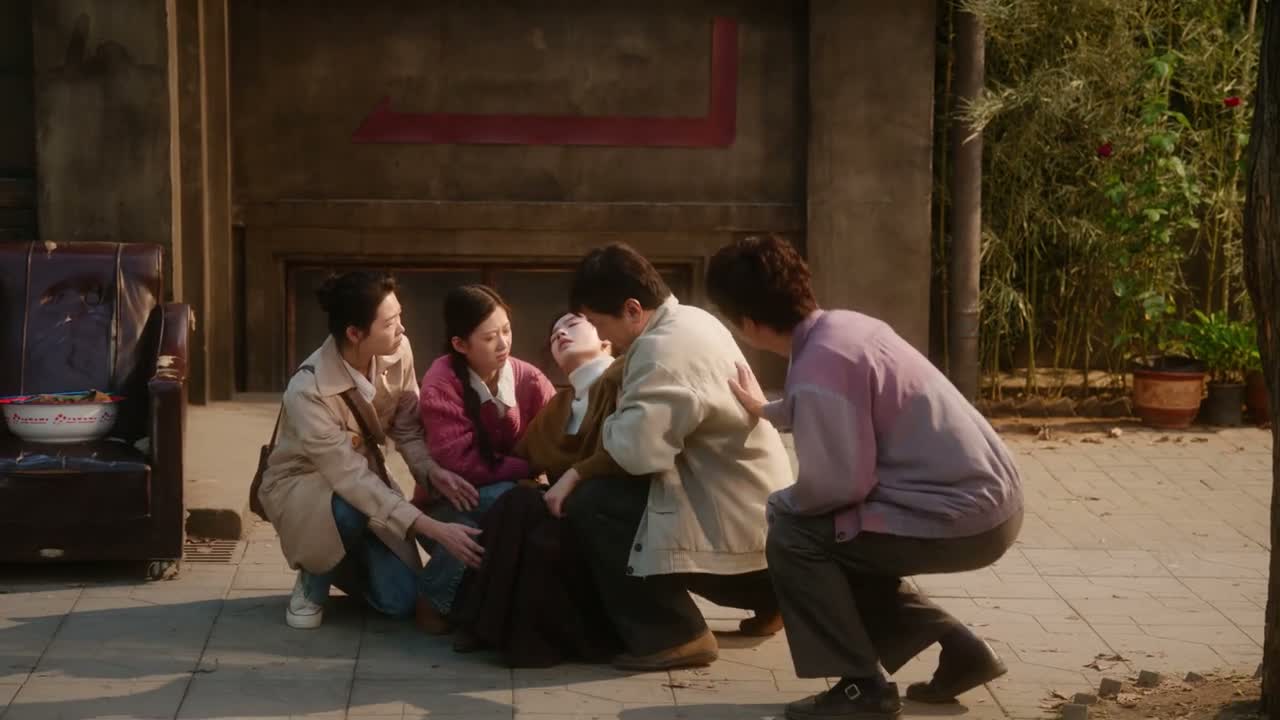
“Are you alright? Kid!”

“What happened? I got a stiff neck.”
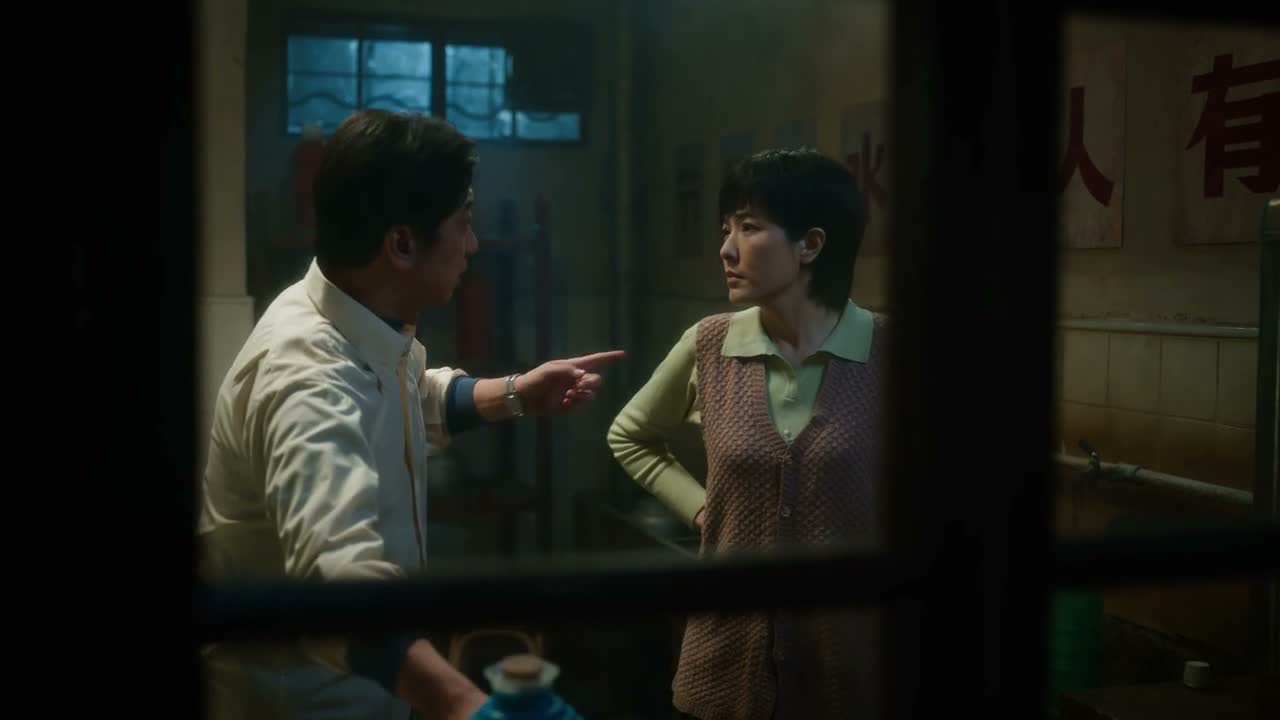
“What's wrong?”

“What's wrong with you?”