《The Dream Maker》 S1·E19 (05:39)
HSK 6
nán dào wǒ men zǒu dào le rén shēng de zhōng diǎn le
难道我们走到了 人生的终点了
“Have we really reached the end of our lives?”
《The Dream Maker》
S1·E19
TIMECODE: 05:39
·
1080P MASTER AUDIO
THE DIALOGUE REEL
[-1] PREVIOUS TURN
zhè mén bú huì cóng wài biān gěi bié zhù le ba zhè zěn me bàn ya
“Could this door be jammed from the outside? What do we do now?”
nán dào wǒ men zǒu dào le rén shēng de zhōng diǎn le
CURRENT FOCUS
难道 我们走到了 人生的终点 了
“Have we really reached the end of our lives?”
[+1] FOLLOW-UP TURN
bù néng ba
不能吧
“That can't be.”
Subtitles synced to millisecond timecode
Browse Show Clips →
Scene:
Crisis & Conflict
Function:
EXPRESSING DESPAIR
Tone:
HOPELESS
Emotion:
FEAR
WHAT THEY REALLY MEAN (PRAGMATIC SUBTEXT)
“I am terrified we are going to die trapped in here; please tell me there is still hope.”
💡 Cultural Insight: Euphemistic Expression of Mortality
Rather than bluntly saying 'we are dying' (要死了), Chinese speakers in serious moments often use metaphorical concepts like 'the endpoint of life' (人生的终点).
INTENT TAGS:
#despair
#plea_for_reassurance
#catastrophizing
🧩
2 CHUNKS · 1 PARTICLES
LEARNING CHUNKS & PARTICLES
难道
SPOKEN CHUNK
could it be that...? / don't tell me that...
Used at the start of a rhetorical question to express disbelief, surprise, or dread.
人生的终点
SPOKEN CHUNK
the end of life / death
A poetic and dramatic metaphor referring to the termination of one's life journey.
Modal Particle「了」 (le)
CHANGE OF STATE
Signals the emergence of a dreaded new reality or milestone.
🏮
2 EXPR · 0 GRAMMAR
VOCABULARY & EXPRESSIONS
COLLOQUIAL EXPRESSIONS:
CROSS-CINEMA CORPUS BOARD · PARALLEL SCENES
EXPLORE BY SEMANTIC SIMILARITY
Parallel Spoken Cinema Scenes (语义近邻切片)
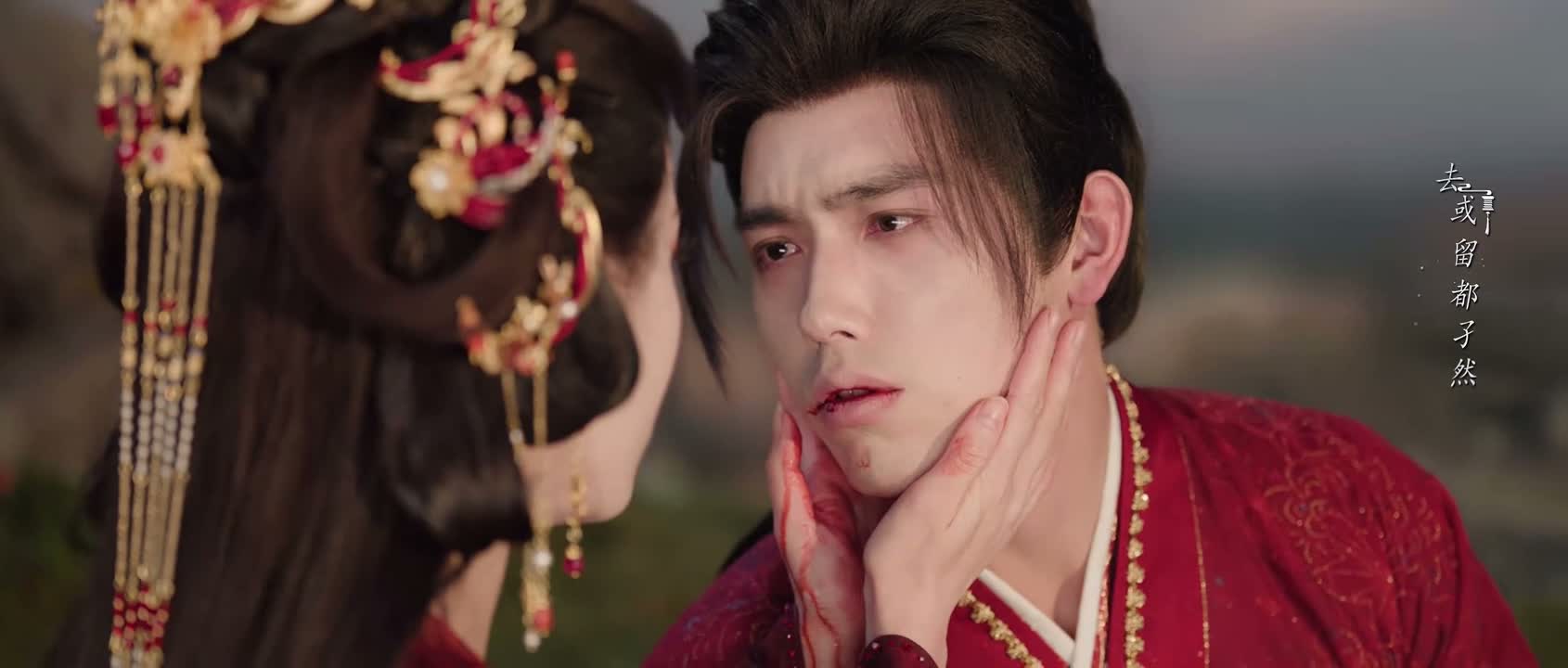
《The Dream Maker》 S1·E19 (05:39) · Authentic Cinema Dialogue Corpus