厦人自知理亏
“The Xia people know they are in the wrong,”
THE DIALOGUE REEL
民众的战意
“the people's fighting spirit.”
厦人 自知理亏
“The Xia people know they are in the wrong,”
派人送来了和谈书
“[When two states go to war, one is bound to suffer.] so they sent someone with a peace treaty. [Prolonged war is no blessing to a state. I seek terms with the Yan State.] [Let's set aside old grievances, forge an alliance, and keep the peace.] [I hereby draft this pact as a pledge of good faith and trust.]”
Direct spoken expression in this communicative setting.
In traditional statecraft, possessing moral superiority ('being in the right') is considered just as crucial to victory and diplomacy as raw military strength.
LEARNING CHUNKS & PARTICLES
to realize that one is in the wrong; to know one lacks justification
A formal idiom used to describe an opponent or party recognizing their moral or legal disadvantage.
VOCABULARY & EXPRESSIONS
Parallel Spoken Cinema Scenes (语义近邻切片)

“You people of Great Xia are all talk!”

“Have you forgotten the countless blood debts”
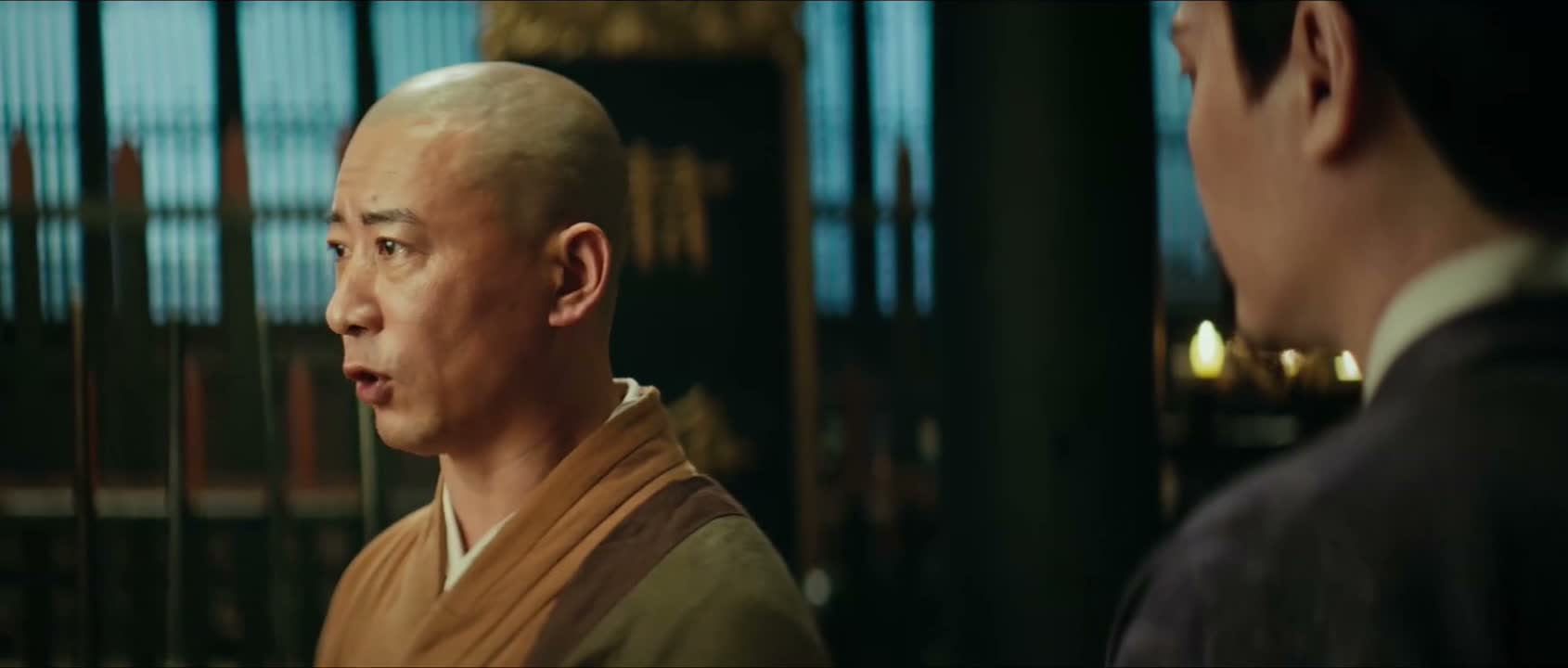
“Sun Mao's shameless act.”

“By the time we reach Xiacheng, I'm afraid one stone won't be enough.”

“Certainly!”
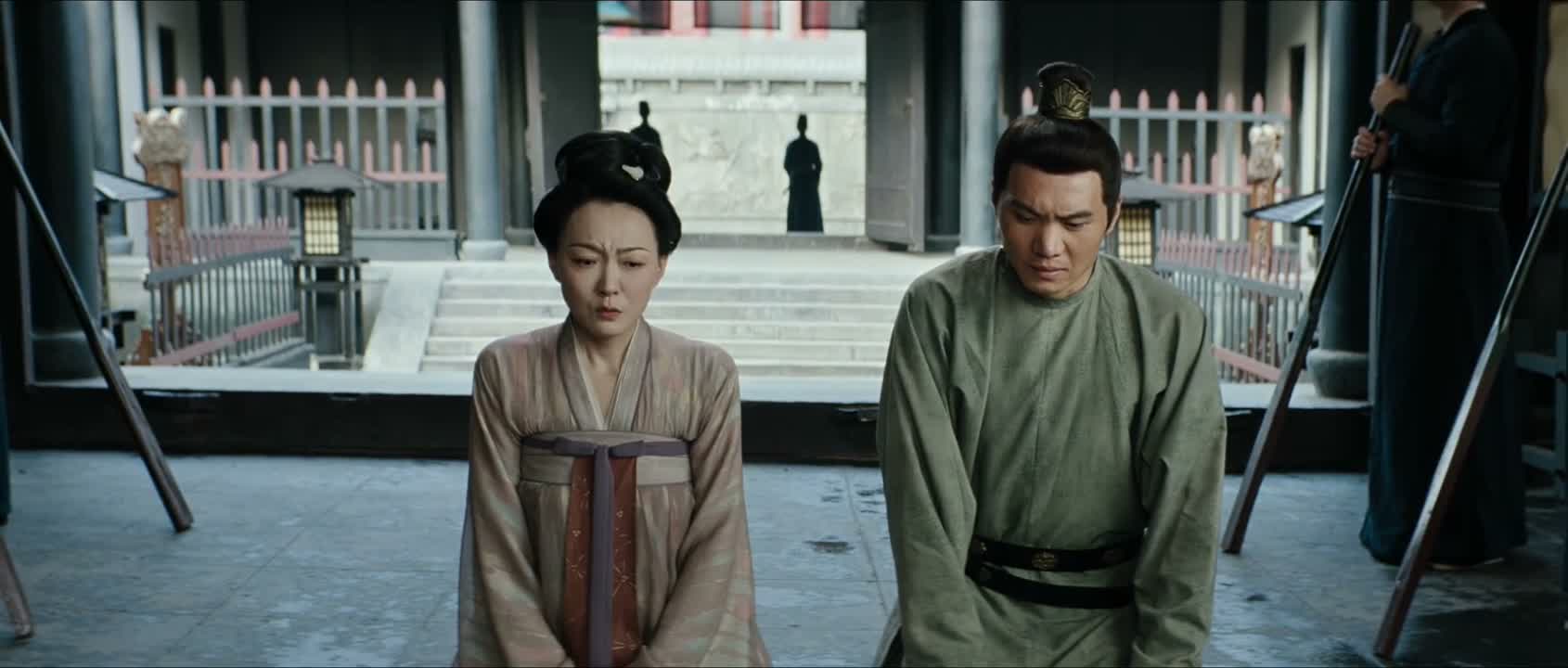
“Sun Mao was greedy,”