啥初恋哪 我每次来我都坐这儿
“It's not like that. I always sit here every time I come.”
THE DIALOGUE REEL
“Why can't I sit here? - Seat of honor. - Did your first love sit there?”
啥初恋哪 我 每次来 我 都 坐这儿
“It's not like that. I always sit here every time I come.”
就是因为你看这儿师父 友谊天长地久
“Look here, ma'am. Friendship Forever.”
“Stop making fun of me, there's no romantic mystery here—I just always sit here.”
Close friends in northern Chinese culture frequently use playful romantic teasing to banter, which typically elicits feigned annoyance or swift denials.
LEARNING CHUNKS & PARTICLES
What ...? (dismissive rhetorical structure)
A colloquial northern Chinese rhetorical pattern used to brush off or refute someone's premise as absurd.
Every time I come I...
Used to describe a consistent, habitual routine at a specific venue.
Softens the rhetorical rebuttal while expressing informal exasperation or dismissiveness.
VOCABULARY & EXPRESSIONS
Parallel Spoken Cinema Scenes (语义近邻切片)

“Weren't they all your "first love"?”

“reminded you of your first love?”

“I want to treat every relationship like it's my first love.”

“who do you think is Ling Xiao's first love?”
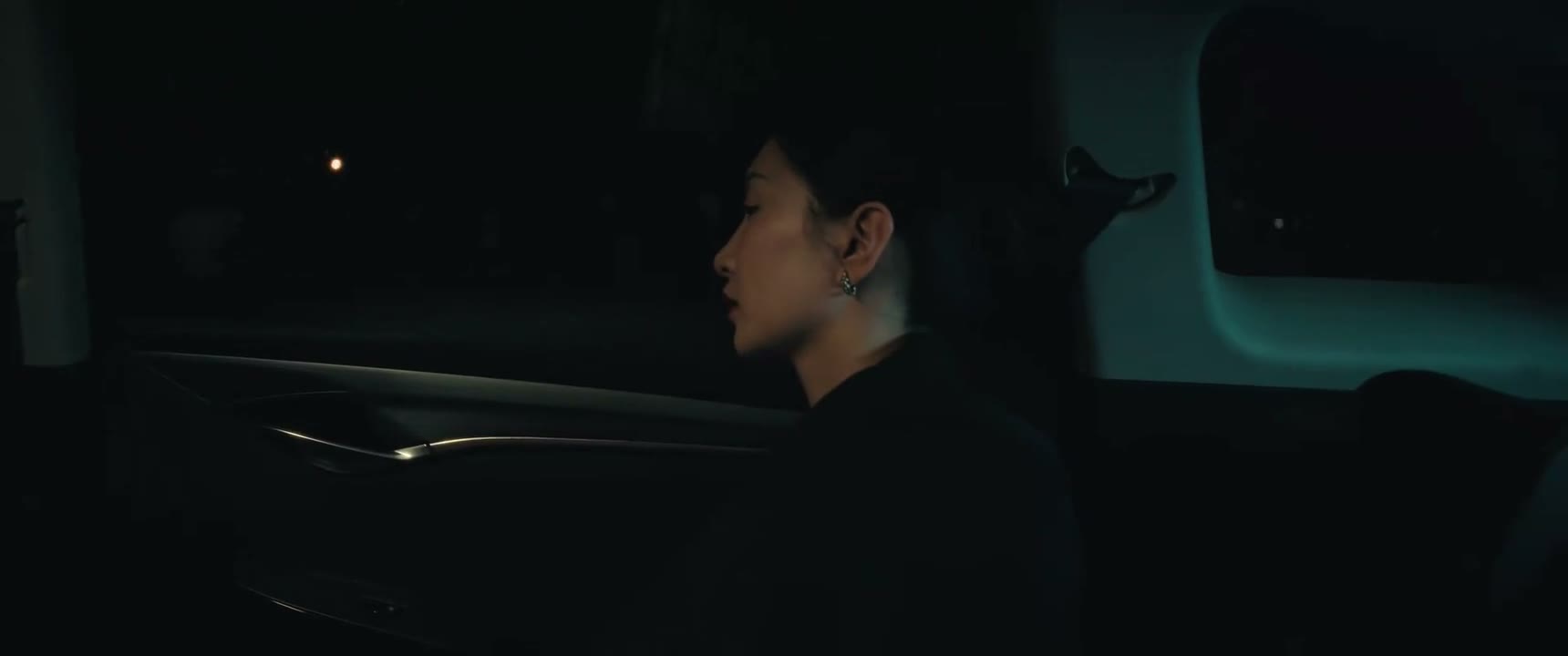
“(was during my first love in college.)”
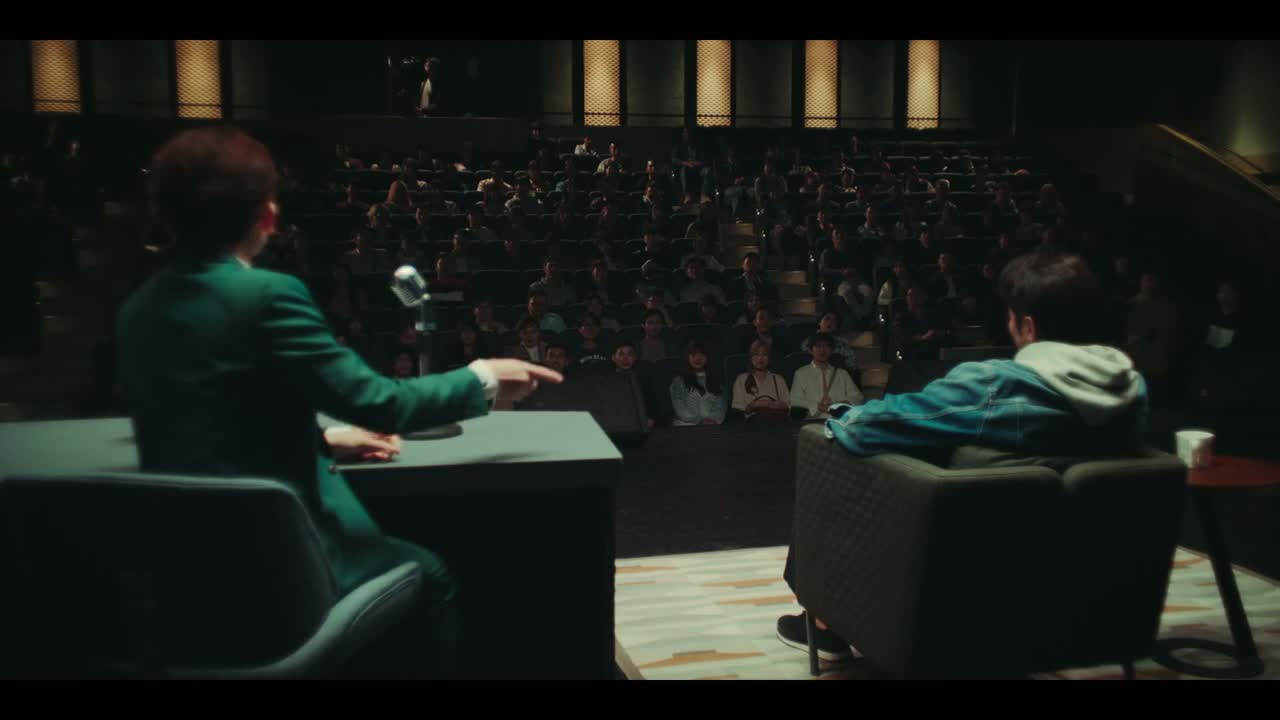
“You still haven't moved on from your first love, right?”