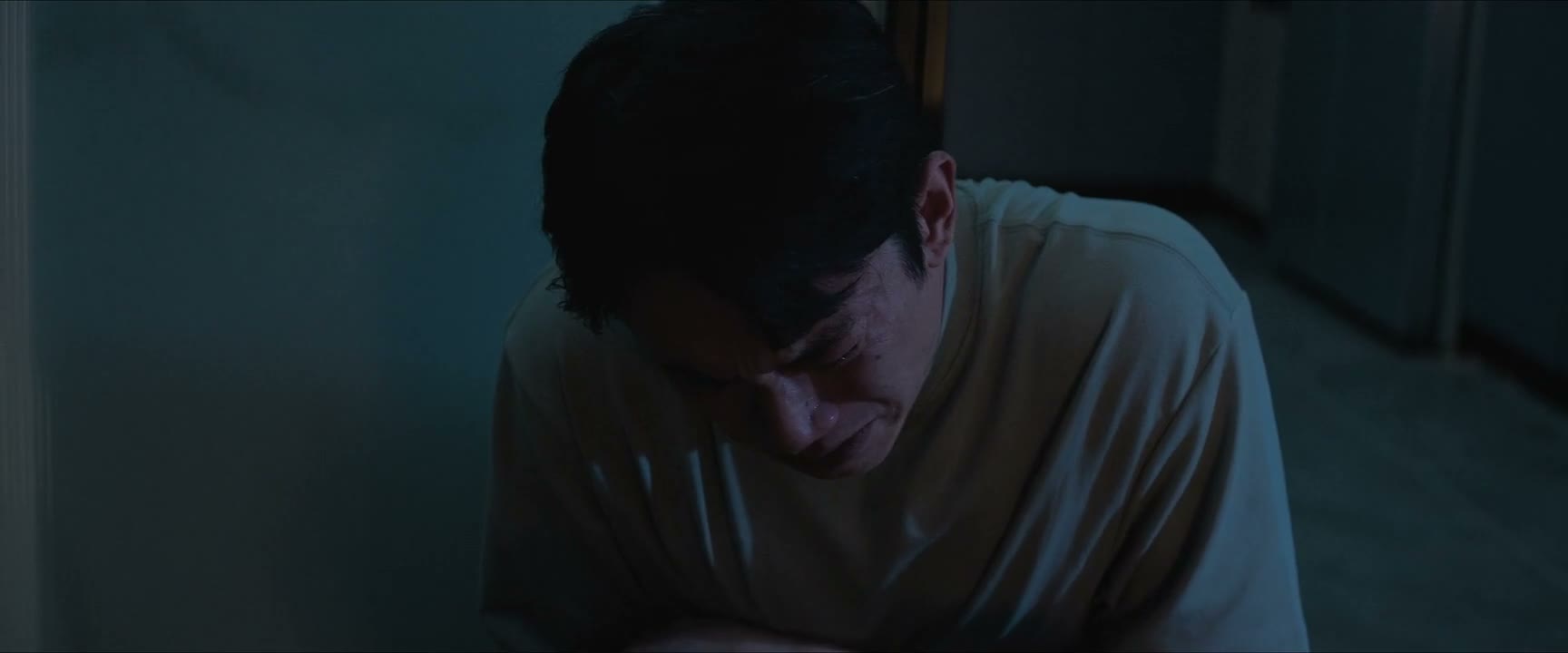
《About Love》 S1·E23 (40:05)
HSK 7
xiǎo shí hòu méi shǎo āi tā dǎ
小时候没少挨他打
“He used to wail on me when I was a kid.”
《About Love》
S1·E23
TIMECODE: 40:05
·
1080P MASTER AUDIO
THE DIALOGUE REEL
[-1] PREVIOUS TURN
wǒ bà jiù nà pí qì
我爸就那脾气
“You know his temper.”
xiǎo shí hòu méi shǎo āi tā dǎ
CURRENT FOCUS
小时候 没少挨他打
“He used to wail on me when I was a kid.”
[+1] FOLLOW-UP TURN
dà le dǎ bù dòng le
大了打不动了
“Now he can't beat me anymore,”
Subtitles synced to millisecond timecode
Browse Show Clips →
Scene:
Family & Home
Function:
SHARING EXPERIENCE
Tone:
CASUAL
Emotion:
RESIGNATION
WHAT THEY REALLY MEAN (PRAGMATIC SUBTEXT)
Direct spoken expression in this communicative setting.
💡 Cultural Insight: Traditional Parental Discipline
Corporal punishment ('dǎ') was historically viewed as routine parenting in China, often discussed in adulthood with casual acceptance rather than deep resentment.
INTENT TAGS:
#reminiscing
#explaining
#normalizing
#narrating
🧩
2 CHUNKS · 0 PARTICLES
LEARNING CHUNKS & PARTICLES
没少
SPOKEN CHUNK
often; not a few times; frequently
A double negative pattern used in spoken Chinese to emphasize a high frequency or large quantity.
挨打
SPOKEN CHUNK
to take a beating; to be beaten
Commonly used in spoken Chinese to describe physical punishment, particularly by strict parents.
🏮
2 EXPR · 0 GRAMMAR
VOCABULARY & EXPRESSIONS
COLLOQUIAL EXPRESSIONS:
CROSS-CINEMA CORPUS BOARD · PARALLEL SCENES
EXPLORE BY SEMANTIC SIMILARITY
Parallel Spoken Cinema Scenes (语义近邻切片)
《About Love》 S1·E23 (40:05) · Authentic Cinema Dialogue Corpus