幸福的家庭家家相似
“Happy families are similar.”
THE DIALOGUE REEL
那以后我做完 你帮我试吃 行行 行
“Then, please give my dishes a try when I finish cooking. OK, no problem.”
幸福的家庭 家家相似
“Happy families are similar.”
Direct spoken expression in this communicative setting.
Chinese speakers frequently quote well-known global literary lines, like the opening of Anna Karenina, to summarize complex domestic situations with shared cultural wit.
LEARNING CHUNKS & PARTICLES
happy family
A standard collocation used when describing well-functioning, harmonious households.
every household is alike
A classical four-character pattern derived from the famous opening line of Tolstoy's Anna Karenina.
VOCABULARY & EXPRESSIONS
Parallel Spoken Cinema Scenes (语义近邻切片)

“Taking those who have a good relationship with us as families is just like children's game”

“Our family situations were very similar as well.”

“I feel so happy.”

“That's a luxury reserved for happy families.”
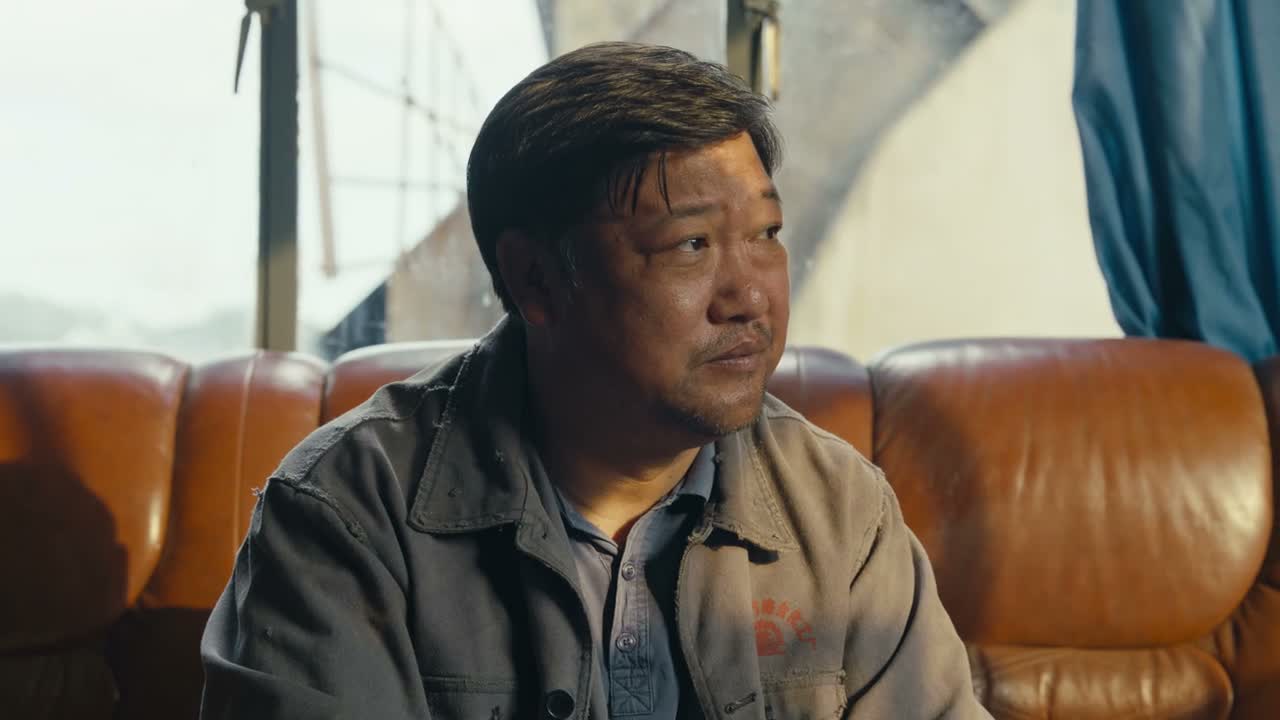
“We're like a family.”
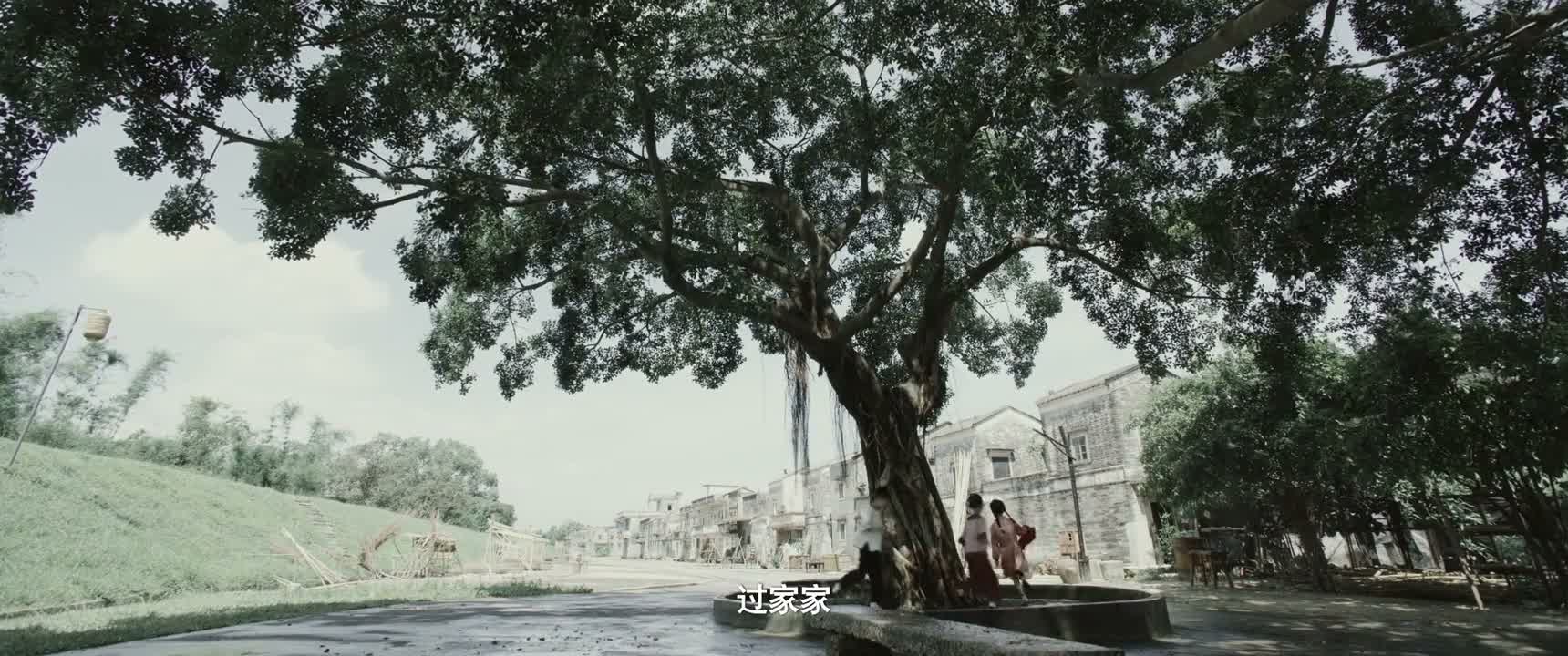
“Playing house.”