你都和吴教授谈论我什么了
“what you said about me to Professor Wu?”
THE DIALOGUE REEL
我是想问你
“May I know”
你都和吴教授 谈论我什么 了
“what you said about me to Professor Wu?”
你一向都这么直接吗 两点之间直线最短
“Are you always this blunt? The shortest distance between two points is a straight line.”
“Don't hide anything from me; I want to know exactly what you told him.”
Chinese interpersonal communication is typically indirect, so asking someone directly what they said behind one's back signals close rapport or an intentional breach of etiquette.
LEARNING CHUNKS & PARTICLES
to talk about; to discuss
A slightly formal, objective verb used in spoken Chinese to denote talking about someone or something.
what all [did you]...
Used to probe for a comprehensive list or details about what occurred.
Marks the completed nature of the conversation while adding a prompting edge to the question.
VOCABULARY & EXPRESSIONS
Parallel Spoken Cinema Scenes (语义近邻切片)
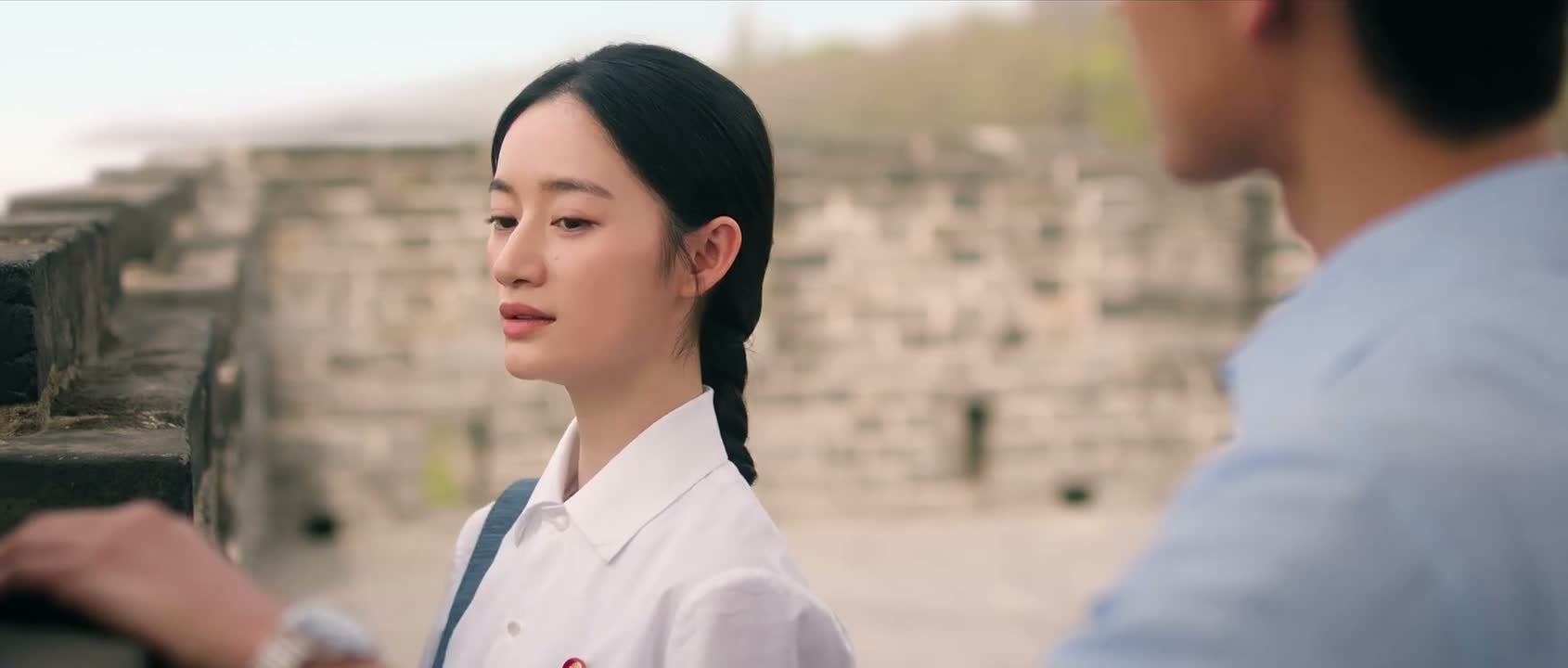
“Did you inquire about me from Professor Wu?”

“in your book, right?”

“They go way back. Professor Wu didn't elaborate.”

“Professor Wu, I really can. If the team needs me,”

“Professor Wu. You haven't been in great shape, have you?”

“Who was that man looking for Professor Wu today?”