《Love Story in the 1970s》 S1·E6 (24:08)
HSK 1
wǒ shuō bù shàng xǐ huān
我说不上喜欢
“I wouldn't say I like him.”
《Love Story in the 1970s》
S1·E6
TIMECODE: 24:08
·
1080P MASTER AUDIO
THE DIALOGUE REEL
[-1] PREVIOUS TURN
nǐ xǐ huān tā ma
你喜欢他吗
“Do you like him?”
wǒ shuō bù shàng xǐ huān
CURRENT FOCUS
我说 不上 喜欢
“I wouldn't say I like him.”
Subtitles synced to millisecond timecode
Browse Show Clips →
Scene:
Social & Dating
Function:
HEDGING
Tone:
RESERVED AND CANDID
Emotion:
AMBIVALENCE
WHAT THEY REALLY MEAN (PRAGMATIC SUBTEXT)
“I don't love him, but I'm not opposed to him either—I'm still figuring it out.”
💡 Cultural Insight: Hanxu (Emotional Restraint)
Chinese speakers often hedge when discussing early-stage romantic attraction, deliberately choosing ambivalent expressions like 'cannot say I like' rather than giving definitive, passionate statements.
INTENT TAGS:
#hedging
#emotional_ambiguity
#downplaying
#candidness
🧩
1 CHUNKS · 0 PARTICLES
LEARNING CHUNKS & PARTICLES
说不上
SPOKEN CHUNK
cannot really say / hard to call it
Used before an adjective or verb of emotion to express ambiguity, lukewarm feelings, or difficulty in categorizing an impression.
🏮
2 EXPR · 0 GRAMMAR
VOCABULARY & EXPRESSIONS
COLLOQUIAL EXPRESSIONS:
CROSS-CINEMA CORPUS BOARD · PARALLEL SCENES
EXPLORE BY SEMANTIC SIMILARITY
Parallel Spoken Cinema Scenes (语义近邻切片)
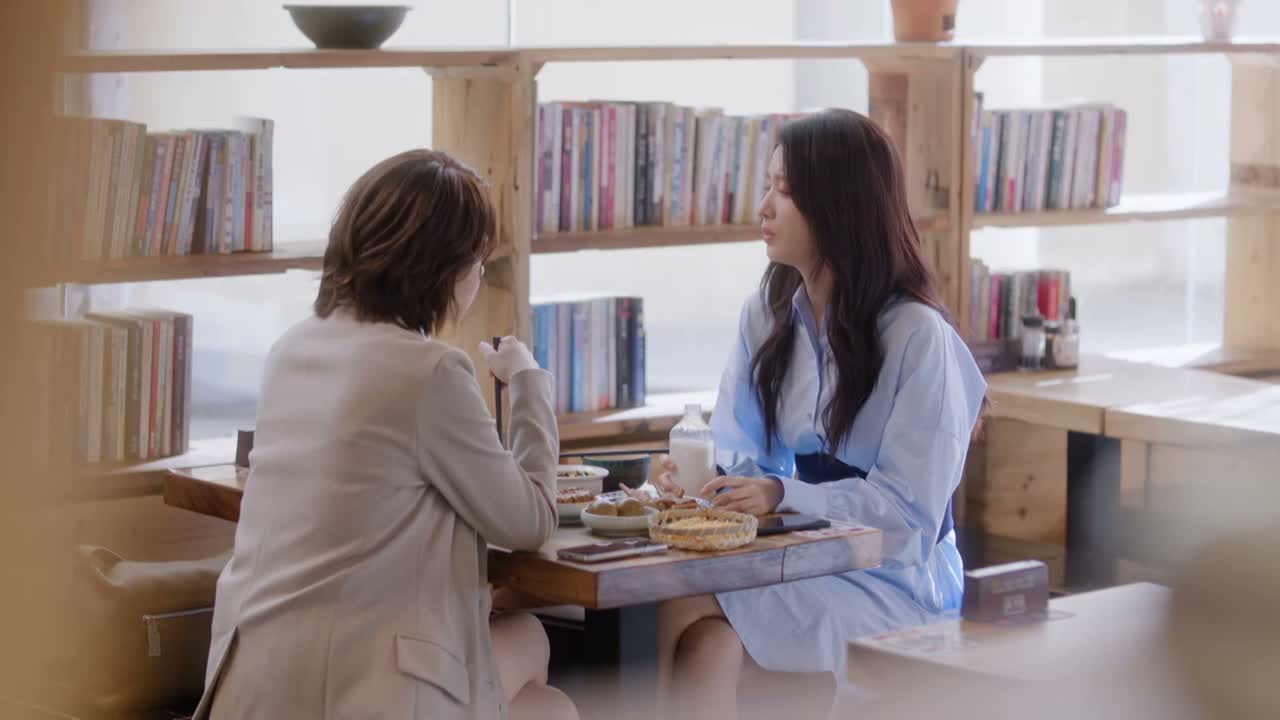
《Love Story in the 1970s》 S1·E6 (24:08) · Authentic Cinema Dialogue Corpus