我曾经特别特别地恨你
“I used to hate you so much.”
THE DIALOGUE REEL
你为什么要来找我
“Why did you come to me?”
我曾经 特别特别地恨你
“I used to hate you so much.”
我恨不得杀了你
“I wanted to kill you.”
“You caused me unforgivable pain, and you need to know how much I despised you.”
Chinese interpersonal bonds heavily weigh unresolved grievances (chou); expressing 'hen' directly signifies that normal social civility has been shattered.
LEARNING CHUNKS & PARTICLES
extremely; exceptionally
Doubling the adverb '特别' intensifies the emotional degree significantly in spoken delivery.
hate you; resent you
A heavy emotional verb in Chinese, carrying more serious emotional weight and grievance than common English usage.
VOCABULARY & EXPRESSIONS
Parallel Spoken Cinema Scenes (语义近邻切片)

“I hate you!”

“I really hate myself.”

“So you've been holding deep grudges against me.”
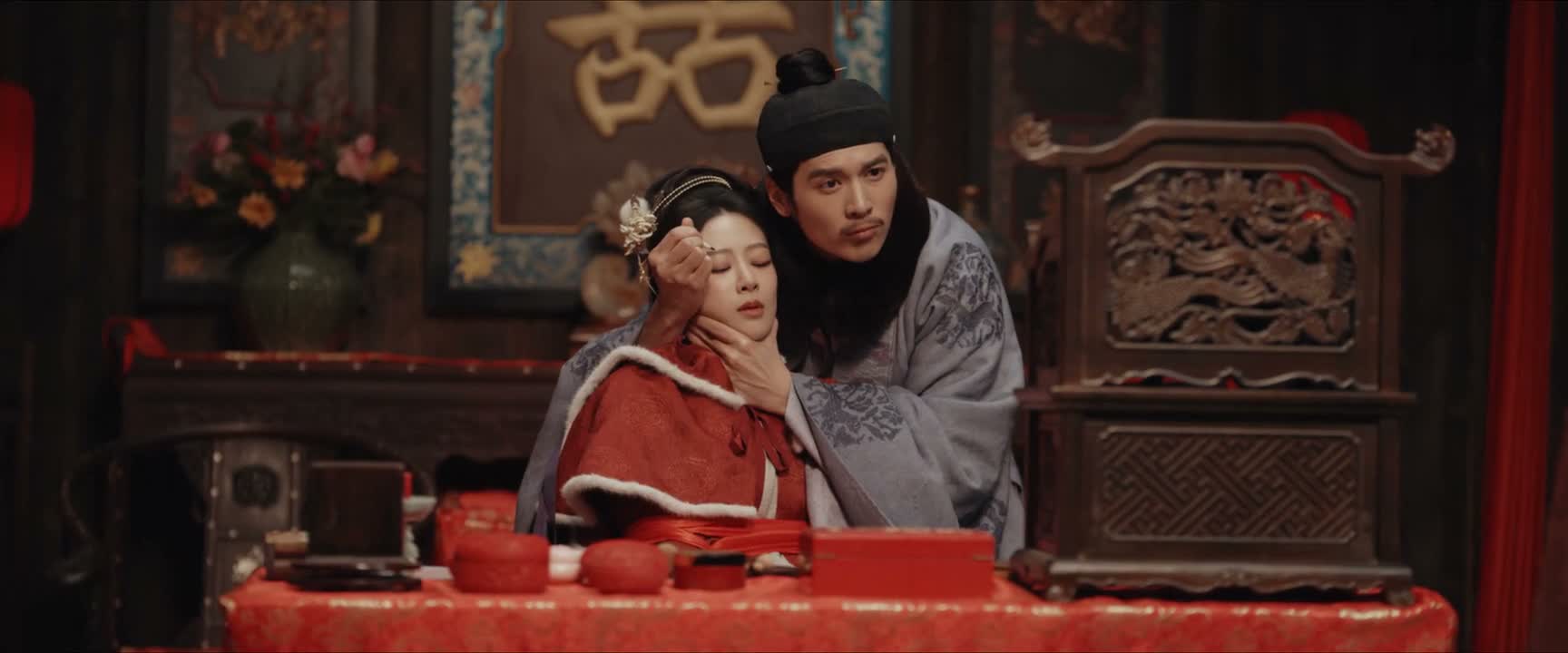
“I know you hate me.”

“I know you've resented me all along.”

“You know I hate her the most.”