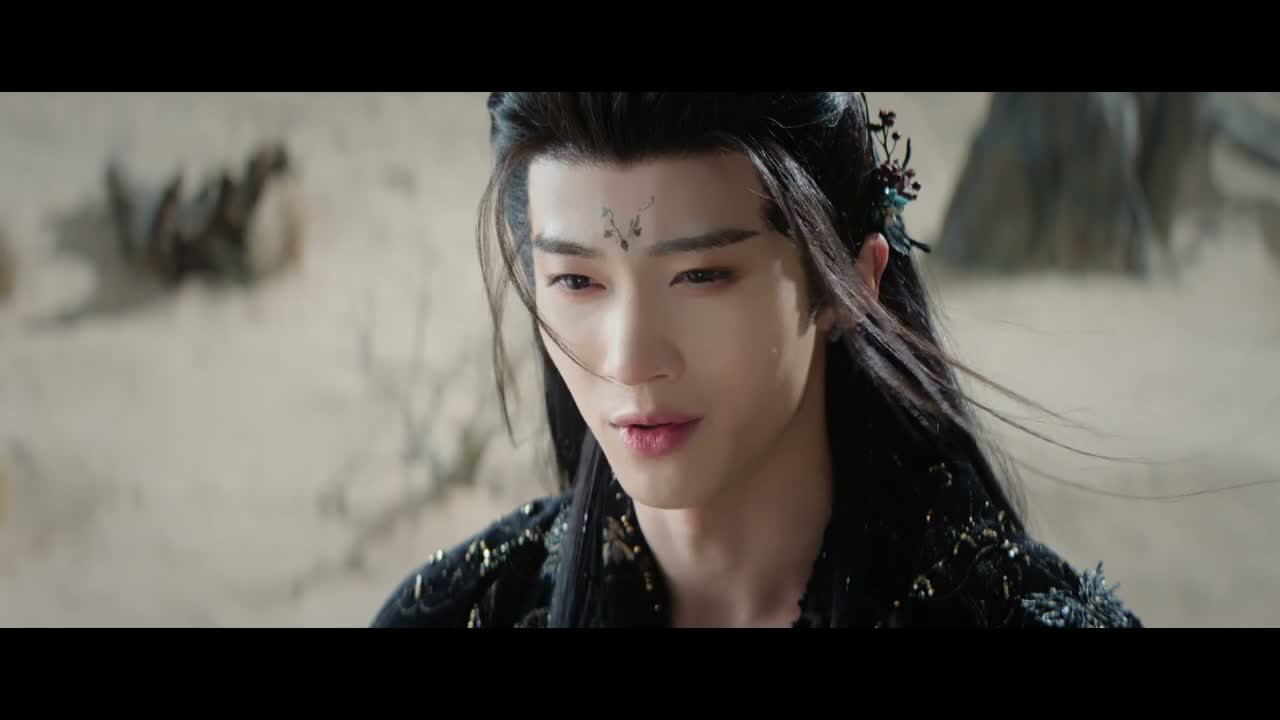
竟落得个死无全尸
“ended up with no body to bury.”
THE DIALOGUE REEL
“Xie Zheng, the Marquis of Wu'an, a hero of his generation,”
竟落得个死无全尸
“ended up with no body to bury.”
Direct spoken expression in this communicative setting.
Traditional Chinese culture places extreme importance on keeping the body whole upon death as a sign of filial duty and peaceful transition into the afterlife, making 'dying without an intact corpse' particularly tragic.
LEARNING CHUNKS & PARTICLES
end up with; suffer a dismal fate of
Use this literary connective when narrating an unfortunate, tragic, or undeserved outcome.
to die without an intact corpse; to suffer a violent, gruesome death
A traditional Chinese idiom representing one of the worst and most dishonorable physical deaths.