《Coroner's Diary》 S1·E21 (21:02)
HSK 2
wǒ gēn tā men shuí shì yī jiā rén èr shí nián qián dà jiā bài de
我跟他们谁是一家人 二十年前大家拜的
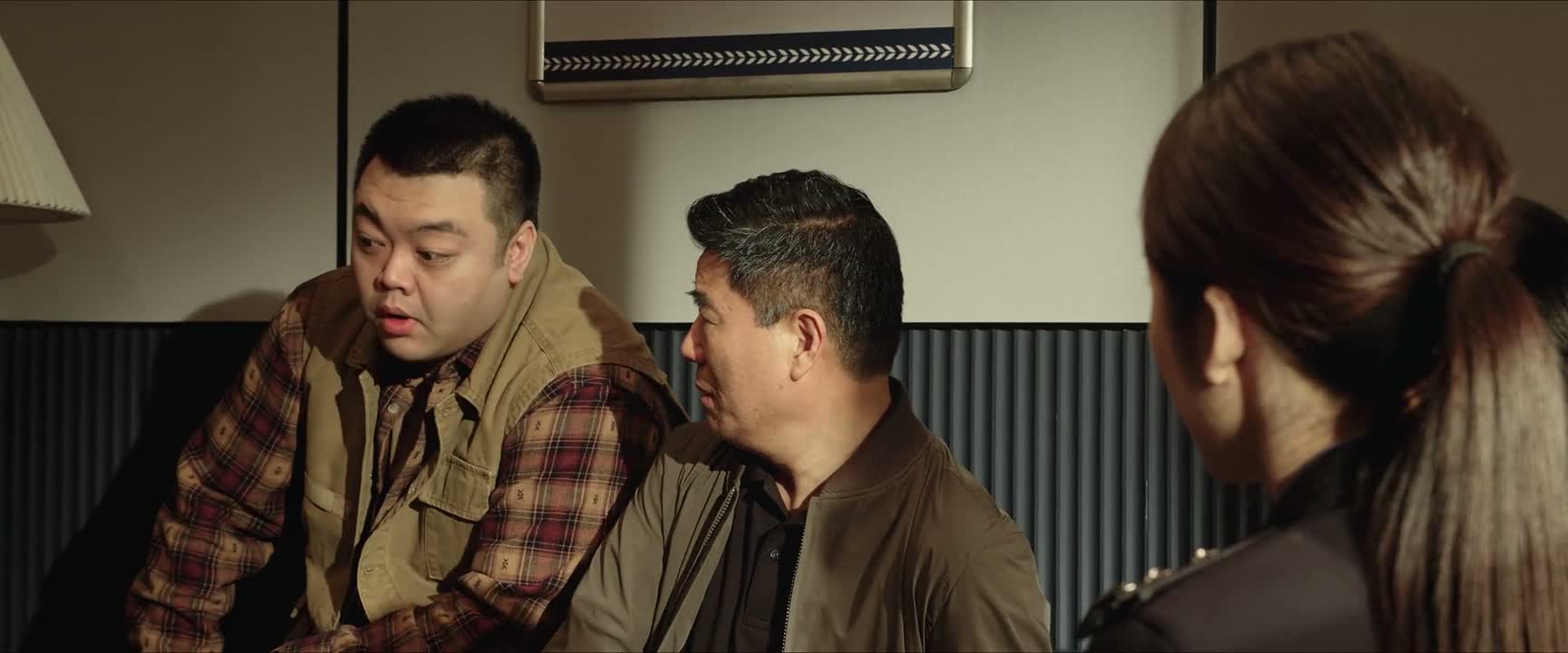
“Which of those people is my family? I didn't share the same surname with them”
《Coroner's Diary》
S1·E21
TIMECODE: 21:02
·
1080P MASTER AUDIO
THE DIALOGUE REEL
[-1] PREVIOUS TURN
wǒ men yī jiā zǐ tuán jù nǐ bù lái duō méi yì si a
“This is a family reunion. How could you not join us?”
wǒ gēn tā men shuí shì yī jiā rén èr shí nián qián dà jiā bài de
CURRENT FOCUS
我跟他们谁 是一家人 二十年前大家拜的
“Which of those people is my family? I didn't share the same surname with them”
[+1] FOLLOW-UP TURN
dōu bú shì tóng yī gè zǔ zōng
都不是同一个祖宗
“until 20 years ago.”
Subtitles synced to millisecond timecode
Browse Show Clips →
Scene:
Historical & Court
Function:
REJECTION OF KINSHIP
Tone:
DEFIANT
Emotion:
DISDAIN
WHAT THEY REALLY MEAN (PRAGMATIC SUBTEXT)
“Do not pretend we are family; we have fundamentally different bloodlines and allegiances.”
💡 Cultural Insight: Ancestral Lineage and Political Factions
In traditional China, lineage and ancestral worship define true belonging; claiming shared ancestry when political or dynastic origins diverge is seen as hypocritical.
INTENT TAGS:
#denial
#distancing
#confrontation
#boundary_setting
🧩
2 CHUNKS · 0 PARTICLES
LEARNING CHUNKS & PARTICLES
一家人
SPOKEN CHUNK
one family; family members
Commonly used in spoken Chinese to stress unity or shared bonds among a group.
谁是一家人
SPOKEN CHUNK
who is family with whom (rhetorical rejection)
A rhetorical query used to vehemently deny closeness, kinship, or affiliation with someone.
🏮
1 EXPR · 0 GRAMMAR
VOCABULARY & EXPRESSIONS
COLLOQUIAL EXPRESSIONS:
CROSS-CINEMA CORPUS BOARD · PARALLEL SCENES
EXPLORE BY SEMANTIC SIMILARITY
Parallel Spoken Cinema Scenes (语义近邻切片)
《Coroner's Diary》 S1·E21 (21:02) · Authentic Cinema Dialogue Corpus