是一家人
shì yī jiā rénCommon spoken expression used by native Chinese speakers in daily life.
[Scene: 家庭日常]
(22 clips) 00:03
(也不好) ── Previous context
“He divorced you over a decade ago. We aren't family.”
 00:03
(我都说了 那些条件是我妈说的 然后我写下来的) ── Previous context
“My parents just consider you as a part of the family.”
 00:02
 00:02
 00:03
 00:02
 00:03
 00:03
 00:02
 00:02
 00:02
 00:03
 00:02
 00:03
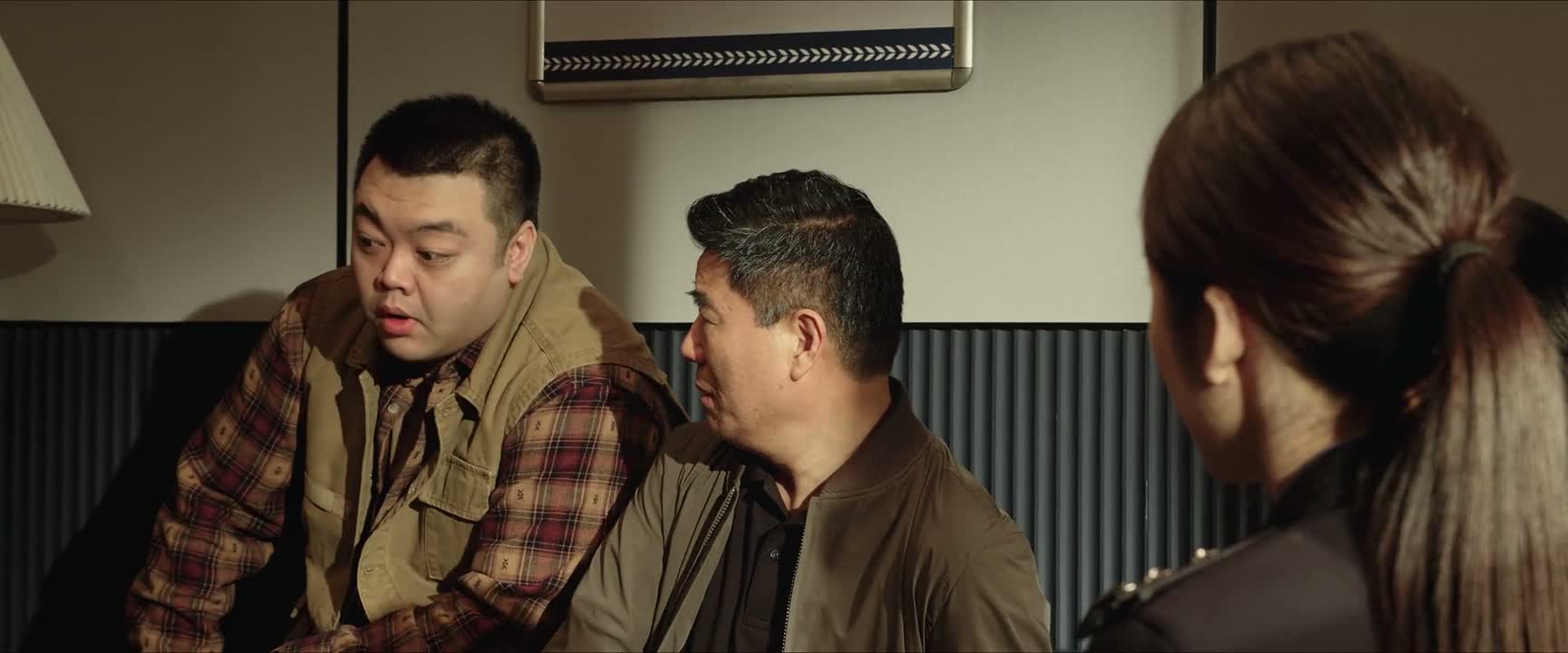 00:02
 00:02
 00:02
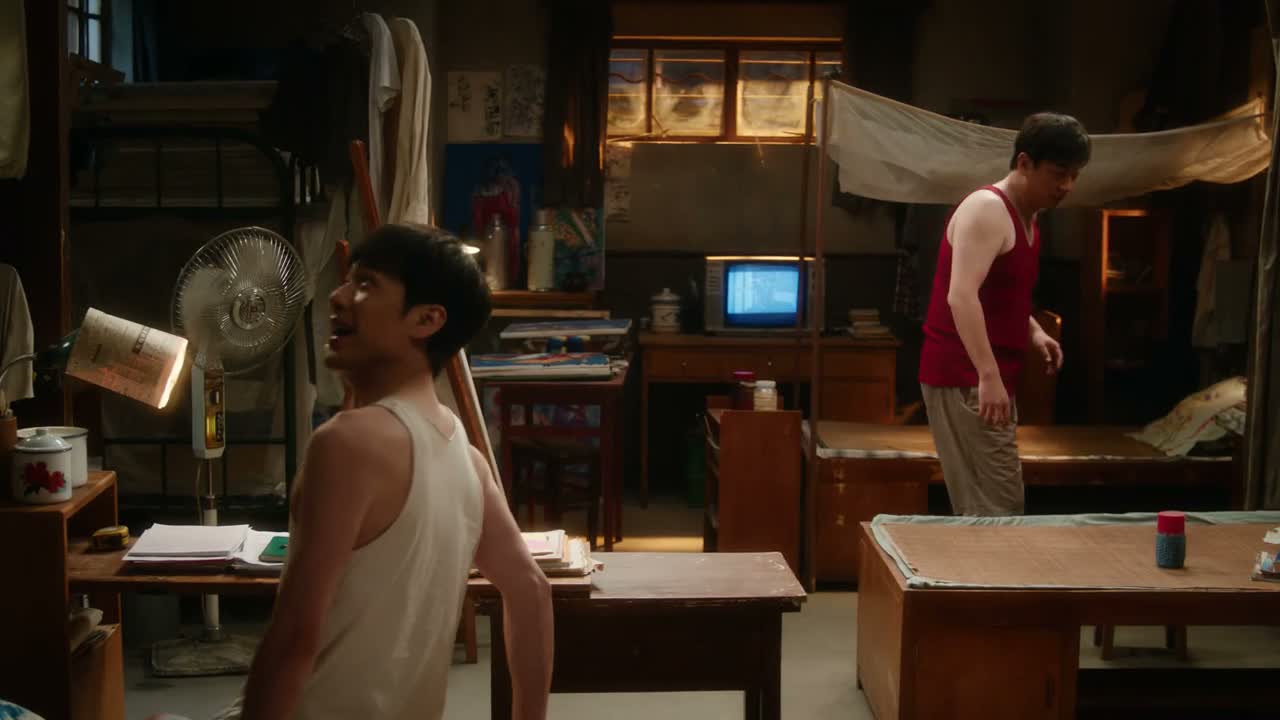 00:02
 00:03
(手心手背都是肉) ── Previous context
“Bai Ju... If we weren't kin, things would be easier.”
 00:03
(以后就多靠大家帮衬了) ── Previous context
“Let's not stand around. Please, have a seat. Okay. We're all one big family now.”
 00:02
(而且你什么都 一个人撑着 你宁愿借银行的钱) ── Previous context
“than use my money. Are we still family?”
 00:02
[Scene: 社交聚会]
(5 clips) 00:02
 00:02
 00:03
(我们以前的想法 太幼稚了) ── Previous context
“Taking those who have a good relationship with us as families is just like children's game”
 00:03
(你别骗我啊 有什么事跟我说) ── Previous context
“Don't worry. You've already taken the ring. We're family now.”
 00:03
(我说我哥工作的事儿 不是想让你帮我解决 没事) ── Previous context
“Once we get married, we'll be a family. Everything will be negotiable by then.”
[Scene: 历史宫廷]
(2 clips) 00:03
 00:03
(我们一家子团聚 你不来多 没意思啊) ── Previous context
“Which of those people is my family? I didn't share the same surname with them”
[Scene: 职场工作]
(2 clips) 00:02
 00:02
[Scene: 其他场景]
(1 clips) 00:02
📌 随便坐
→Nuance: 同为招呼大家入座的客套表达
📌 放心
→Nuance: 同向近义词根配对: [我们 ↔ 咱俩]
📌 怎么办
→Nuance: 同向近义词根配对: [我们 ↔ 咱们]
📌 放心吧
→Nuance: 同向近义词根配对: [我们 ↔ 咱俩]
📌 不容易
→Nuance: 同向近义词根配对: [我们 ↔ 咱们]
📌 根本就没
→Nuance: 同向近义词根配对: [我们 ↔ 咱们]
📌 气死我了
→Nuance: 同向近义词根配对: [不用 ↔ 不要]
📌 好朋友
→Nuance: 同向近义词根配对: [我们 ↔ 咱们]
📌 毕竟
→Nuance: 反问口吻强调一家人关系