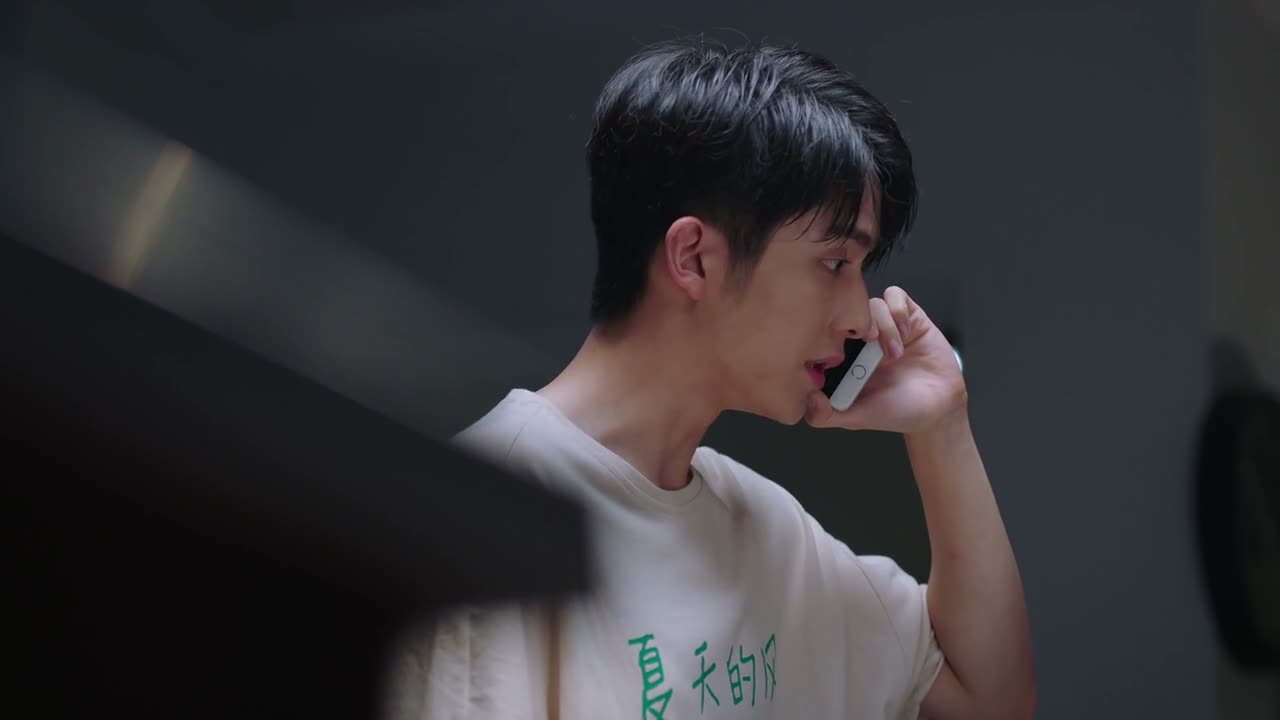
你都不用我的钱 我们还是不是一家人
“than use my money. Are we still family?”
THE DIALOGUE REEL
而且你什么都 一个人撑着 你宁愿借银行的钱
“And you always hang on alone. You would rather borrow money from the bank”
你都 不用 我的钱 我们还 是不是 一家人
“than use my money. Are we still family?”
“What nonsense are you talking about? Of course, we are family.”
“By rejecting my help, you are pushing me away and acting like we aren't real family.”
True family members in Chinese culture are expected to share financial burdens without counting debts; refusing help is often interpreted as treating family like distant outsiders (jianwai).
LEARNING CHUNKS & PARTICLES
won't even use
Combines '都' for emphasis with negative '不用' to highlight the extreme reluctance of the other person.
are we still family or not
A rhetorical challenge commonly used in Chinese family conflicts to invoke emotional bonding and shared responsibility.
VOCABULARY & EXPRESSIONS
Parallel Spoken Cinema Scenes (语义近邻切片)

“I don't want your money.”

“-I have no money. -I don’t want your money. I want this.”

“Ziqiu doesn't want my money. I'm so mad.”
“I don't want your money.”