你这娃能不能让一下 团长 团长
“Can you step aside? Troupe Leader!”
THE DIALOGUE REEL
“It's not about the provincial troupe, right?”
你这娃 能不能 让一下 团长 团长
“Can you step aside? Troupe Leader!”
“Stop pulling me. I'll call the cops if you do.”
“Get out of my way right now, I need to catch the troupe leader!”
In northern/northwestern Chinese dialects, calling a younger person '娃' (wá) reflects an informal, elder-to-junior dynamic that can feel familiar or patronizing depending on context.
LEARNING CHUNKS & PARTICLES
step aside; make way
A common spoken request asking someone to clear the path, though tone can turn it from polite to demanding.
this kid / young person
Dialectal or colloquial spoken Chinese used by an elder to address or refer to a younger person.
VOCABULARY & EXPRESSIONS
Parallel Spoken Cinema Scenes (语义近邻切片)
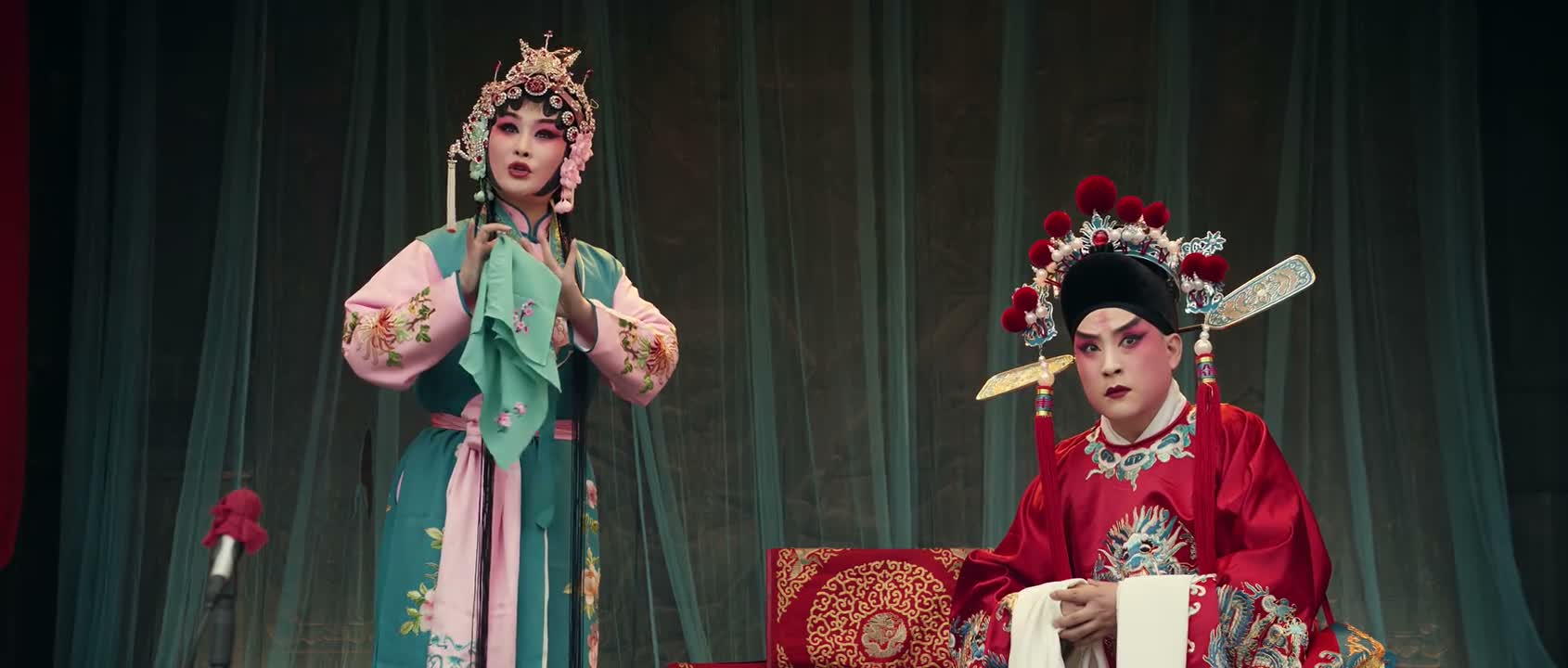
“Troupe Leader, you're hilarious.”

“Hey, guys! What's wrong? You're not being fair, kid.”

“Troupe Leader! Help me out! I've told you already.”

“Troupe Leader, I won't say anything so discouraging.”

“Troupe Leader, do you agree or not?”

“Captain. This is too sudden.”