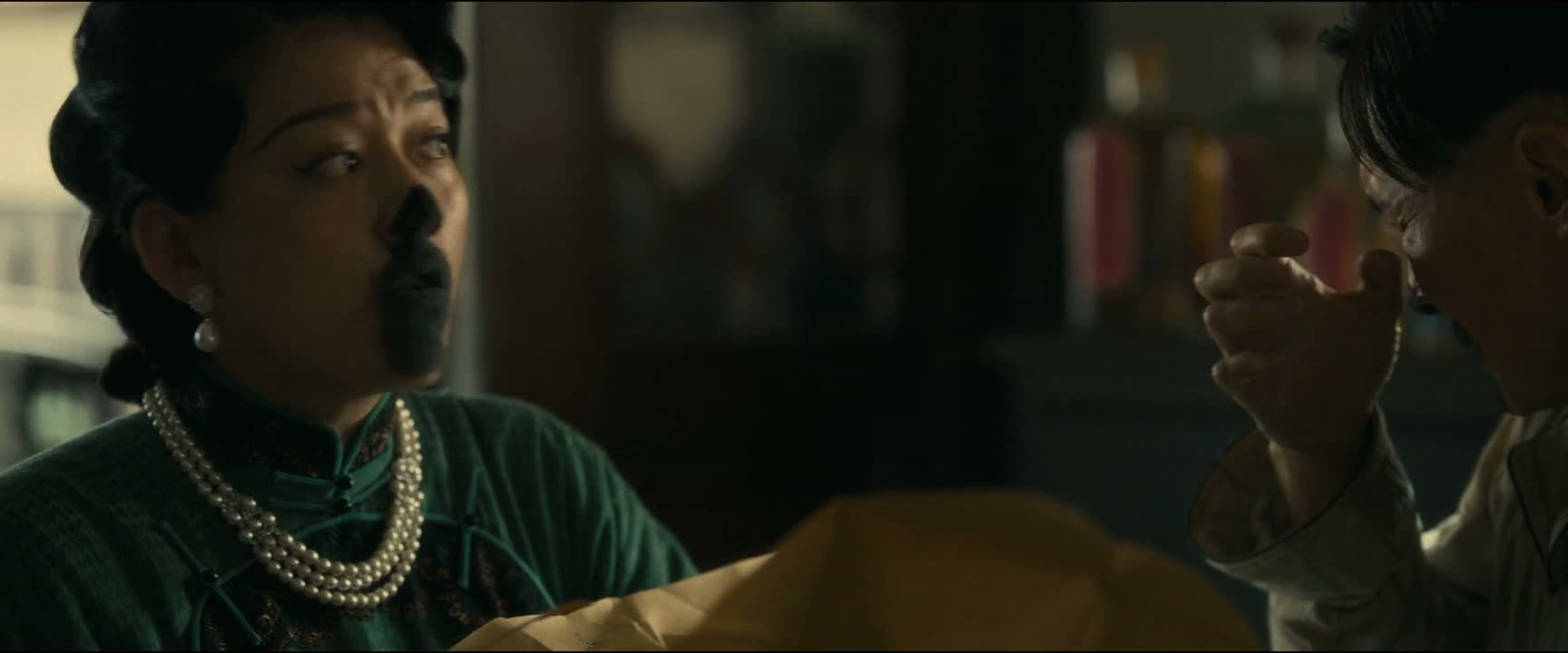
《Echoes of a Thousand Moons》 S1·E11 (29:02)
HSK 3
rén bù wèi jǐ tiān zhū dì miè
人不为己 天诛地灭
“Every man for himself.”
《Echoes of a Thousand Moons》
S1·E11
TIMECODE: 29:02
·
1080P MASTER AUDIO
THE DIALOGUE REEL
rén bù wèi jǐ tiān zhū dì miè
CURRENT FOCUS
人 不为 己 天诛地灭
“Every man for himself.”
[+1] FOLLOW-UP TURN
wǒ men lǚ zhǎng tā shì bù wèi jǐ le
我们旅长他是不为己了
“Our Brigade Commander didn't look out for himself.”
Subtitles synced to millisecond timecode
Browse Show Clips →
Scene:
Crisis & Conflict
Function:
JUSTIFYING BEHAVIOR
Tone:
CYNICAL
Emotion:
DEFENSIVENESS
WHAT THEY REALLY MEAN (PRAGMATIC SUBTEXT)
“I make no apologies for looking out for number one; anyone who doesn't is a fool.”
💡 Cultural Insight: Survival Pragmatism vs. Altruism
This proverb represents the ultimate survivalist rationale, frequently contrasted against Confucian sacrifice and collective duty in Chinese literary and cinematic drama.
INTENT TAGS:
#rationalization
#cynicism
#self_defense
#justification
🧩
1 CHUNKS · 0 PARTICLES
LEARNING CHUNKS & PARTICLES
人不为己 天诛地灭
SPOKEN CHUNK
every man for himself; heaven and earth destroy those who are not for themselves
A classic cynical proverb widely cited in spoken Chinese to justify self-interest or treason.
🏮
2 EXPR · 0 GRAMMAR
VOCABULARY & EXPRESSIONS
COLLOQUIAL EXPRESSIONS:
CROSS-CINEMA CORPUS BOARD · PARALLEL SCENES
EXPLORE BY SEMANTIC SIMILARITY
Parallel Spoken Cinema Scenes (语义近邻切片)
《Echoes of a Thousand Moons》 S1·E11 (29:02) · Authentic Cinema Dialogue Corpus