《The Knockout》 S1·E21 (21:23)
HSK 5
nǐ hái dà sǎo de chéng běn zěn me yàng
你还大嫂的成本 怎么样
“will be used to pay back your Sister-in-law's cost. What do you think?”
《The Knockout》
S1·E21
TIMECODE: 21:23
·
1080P MASTER AUDIO
THE DIALOGUE REEL
[-1] PREVIOUS TURN
shèng xià bǎi fēn zhī èr shí
剩下百分之二十
“The remaining 20%”
nǐ hái dà sǎo de chéng běn zěn me yàng
CURRENT FOCUS
你还大嫂的成本 怎么样
“will be used to pay back your Sister-in-law's cost. What do you think?”
[+1] FOLLOW-UP TURN
xíng xíng xíng xiè xiè dà sǎo dōu shuō zì jǐ rén le xiè nǐ dà gē
“Alright, alright. Thank you, Sister-in-law. You're one of us now. Thank your Brother.”
Subtitles synced to millisecond timecode
Browse Show Clips →
Scene:
Business & Trade
Function:
PROPOSING TERMS
Tone:
CONCILIATORY
Emotion:
CALMNESS
WHAT THEY REALLY MEAN (PRAGMATIC SUBTEXT)
“I'm cutting you a massive deal out of personal loyalty, so remember this favor.”
💡 Cultural Insight: Renqing (Reciprocal Favors) and Kinship Titles
Using family titles like 'sister-in-law' (大嫂) in business signifies tight-knit circles where deals are softened through personal relationships and favors.
INTENT TAGS:
#negotiation
#favor_granting
#relationship_building
#concession
🧩
2 CHUNKS · 0 PARTICLES
LEARNING CHUNKS & PARTICLES
怎么样
SPOKEN CHUNK
how about it; what do you think
A ubiquitous phrase placed at the end of a sentence to seek agreement or present a proposal politely.
自己人
SPOKEN CHUNK
one of us; insiders
Used to denote intimacy and close-knit bonds, often invoking reciprocity and mutual favors.
🏮
1 EXPR · 0 GRAMMAR
VOCABULARY & EXPRESSIONS
COLLOQUIAL EXPRESSIONS:
CROSS-CINEMA CORPUS BOARD · PARALLEL SCENES
EXPLORE BY SEMANTIC SIMILARITY
Parallel Spoken Cinema Scenes (语义近邻切片)
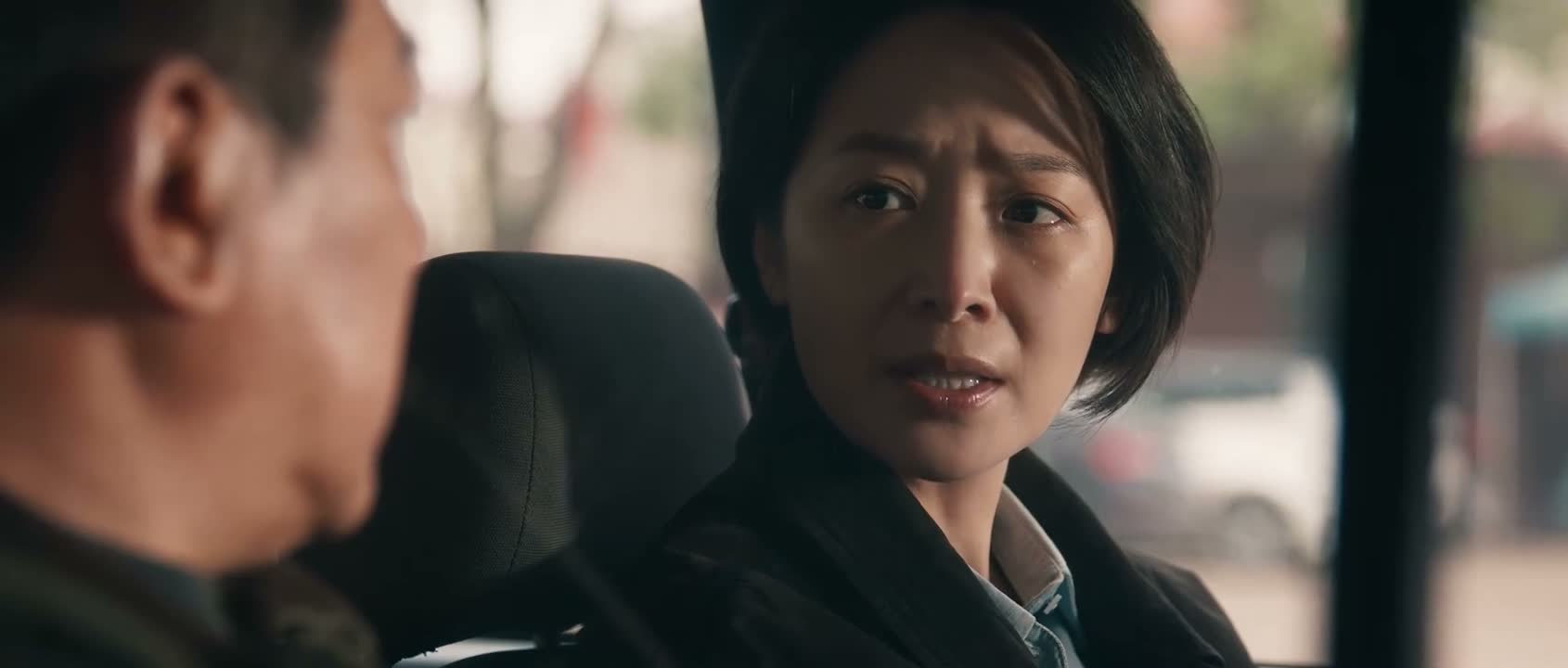
《The Knockout》 S1·E21 (21:23) · Authentic Cinema Dialogue Corpus