MC
MandarinClips Cinema Corpus
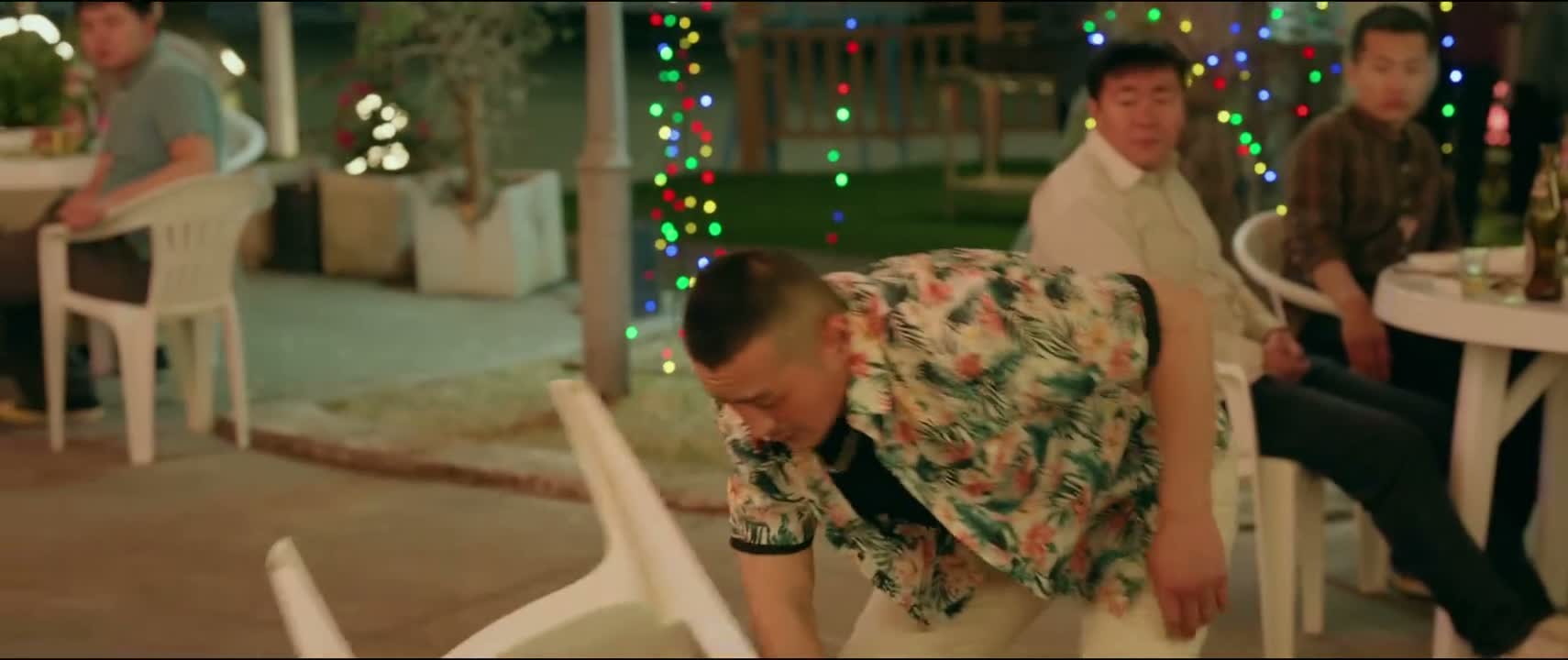
《The Knockout》 S1·E23 (37:53) HSK 5
nà hē duō le shuí huà yī xià bù hěn zhèng cháng ma

那喝多了 谁划一下不很正常吗

“Isn't it normal to have a scratch or something?”

《The Knockout》 S1·E23
TIMECODE: 37:53 · 1080P MASTER AUDIO

THE DIALOGUE REEL

1+1+1 SPOKEN CONTINUITY
[-1] PREVIOUS TURN chī le nà me jiǔ hē le nà me duō

吃了那么久 喝了那么多

“We ate and drank so much.”

nà hē duō le shuí huà yī xià bù hěn zhèng cháng ma CURRENT FOCUS

那 喝多了 谁划一下不 很正常 吗

“Isn't it normal to have a scratch or something?”

[+1] FOLLOW-UP TURN shì huà de shì dǎ dī wǒ men zhǎo rén yàn yī xià jiù zhī dào

是划的是打的 我们找人验一下就知道

“Whether it's a scratch or you've been hit by someone, we'll know after you have that wound checked.”

Subtitles synced to millisecond timecode Browse Show Clips →
Scene: Crisis & Conflict
Function: DEFENDING ONESELF
Tone: EVASIVE AND ARGUMENTATIVE
Emotion: DEFENSIVENESS
WHAT THEY REALLY MEAN (PRAGMATIC SUBTEXT)
“Don't make a big deal out of it, everyone gets sloppy when drunk.”
💡 Cultural Insight: Alcohol as an Excuse

In Chinese social conflicts, perpetrators frequently invoke heavy drinking ('喝多了') to mitigate malicious intent and avoid formal blame.

INTENT TAGS: #excuse #minimization #self_defense #rationalization
🧩

LEARNING CHUNKS & PARTICLES

2 CHUNKS · 1 PARTICLES
喝多了 SPOKEN CHUNK

drank too much / intoxicated

Standard conversational idiom used to state drunkenness or use it as an excuse for erratic behavior.

不很正常吗 SPOKEN CHUNK

isn't it completely normal?

A rhetorical question pattern used to deflect blame by framing an occurrence as typical and unavoidable.

Modal Particle「吗」 (ma) CHANGE OF STATE

Used at the end of a rhetorical negative question to reinforce that the situation should be seen as obvious and normal.
🏮

VOCABULARY & EXPRESSIONS

2 EXPR · 0 GRAMMAR
CROSS-CINEMA CORPUS BOARD · PARALLEL SCENES

Parallel Spoken Cinema Scenes (语义近邻切片)

EXPLORE BY SEMANTIC SIMILARITY
《The Knockout》 S1·E23 (37:53) · Authentic Cinema Dialogue Corpus