MC
MandarinClips Cinema Corpus
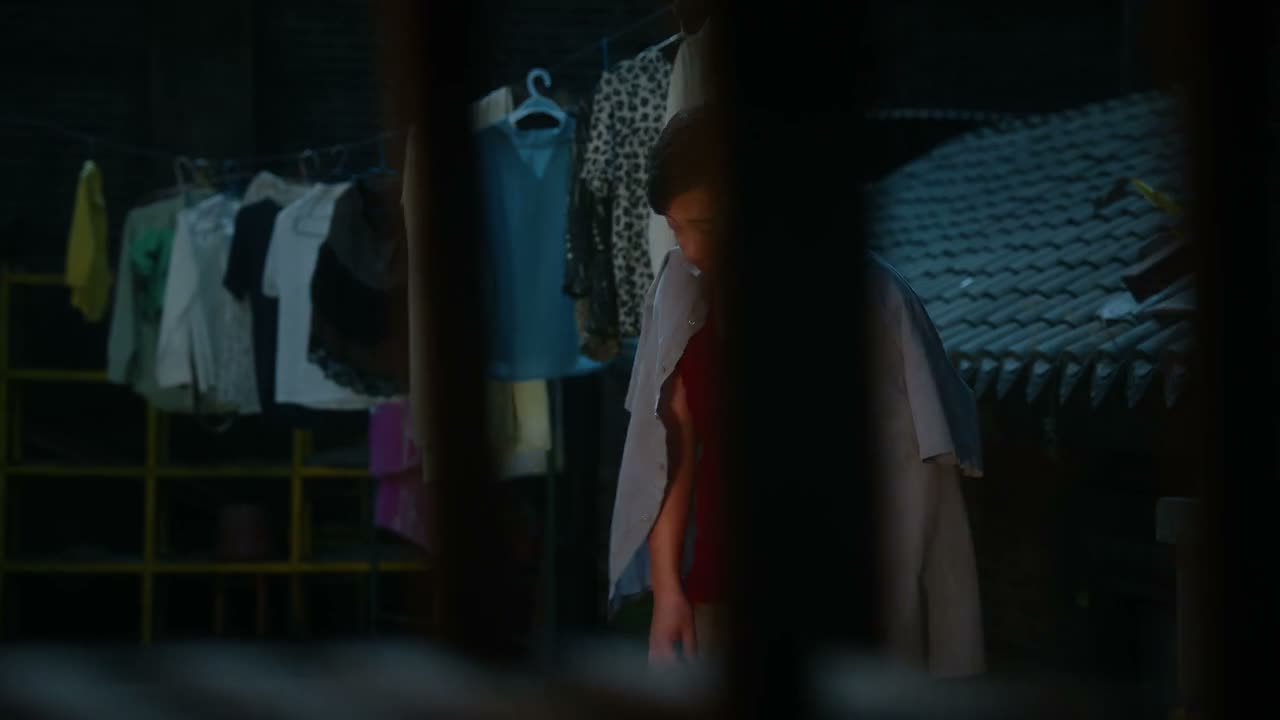
《The Truth》 S1·E23 (33:50) HSK 6
nǐ shuō zhè shì zǎ hǎo yì si gēn zì jǐ de hái zi jiǎng ma

你说这事 咋好意思跟自己的孩子讲嘛

“How could they tell their own child something like that?”

《The Truth》 S1·E23
TIMECODE: 33:50 · 1080P MASTER AUDIO

THE DIALOGUE REEL

1+1+1 SPOKEN CONTINUITY
[-1] PREVIOUS TURN yīng gāi bù zhī dào ba

应该不知道吧

“Probably not.”

nǐ shuō zhè shì zǎ hǎo yì si gēn zì jǐ de hái zi jiǎng ma CURRENT FOCUS

你说这事 咋好意思 跟 自己的 孩子讲嘛

“How could they tell their own child something like that?”

[+1] FOLLOW-UP TURN lǎo bǎi jiā de rì zi yě guò dé jǐn a

老柏家的日子也过得紧啊

“The Bai family was struggling financially.”

Subtitles synced to millisecond timecode Browse Show Clips →
Scene: Daily Life
Function: EXPLAINING A DILEMMA
Tone: EMPATHETIC AND CONVERSATIONAL
Emotion: SYMPATHY
WHAT THEY REALLY MEAN (PRAGMATIC SUBTEXT)
“It's too humiliating and painful for a parent to admit to their child, so naturally they kept it secret.”
💡 Cultural Insight: Saving Face in Parenting (家丑不可外扬)

Chinese cultural norms heavily emphasize preserving parental dignity; admitting past destitution or giving away a child brings immense shame ('不好意思') that parents prefer to bury forever.

INTENT TAGS: #empathy #rationalization #face_saving #justification
🧩

LEARNING CHUNKS & PARTICLES

2 CHUNKS · 1 PARTICLES
咋好意思 SPOKEN CHUNK

how can one have the nerve to; feel too embarrassed to

Colloquial (northern/dialectal '咋' meaning '怎么') expression used to convey embarrassment or social inhibition.

你说 SPOKEN CHUNK

tell me; don't you think

A discourse marker used to draw the listener into an empathetic dialogue or seek agreement.

Modal Particle「嘛」 (ma) CHANGE OF STATE

Highlights the obviousness of the social predicament, appealing to common sense.
🏮

VOCABULARY & EXPRESSIONS

3 EXPR · 0 GRAMMAR
CROSS-CINEMA CORPUS BOARD · PARALLEL SCENES

Parallel Spoken Cinema Scenes (语义近邻切片)

EXPLORE BY SEMANTIC SIMILARITY
《The Truth》 S1·E23 (33:50) · Authentic Cinema Dialogue Corpus