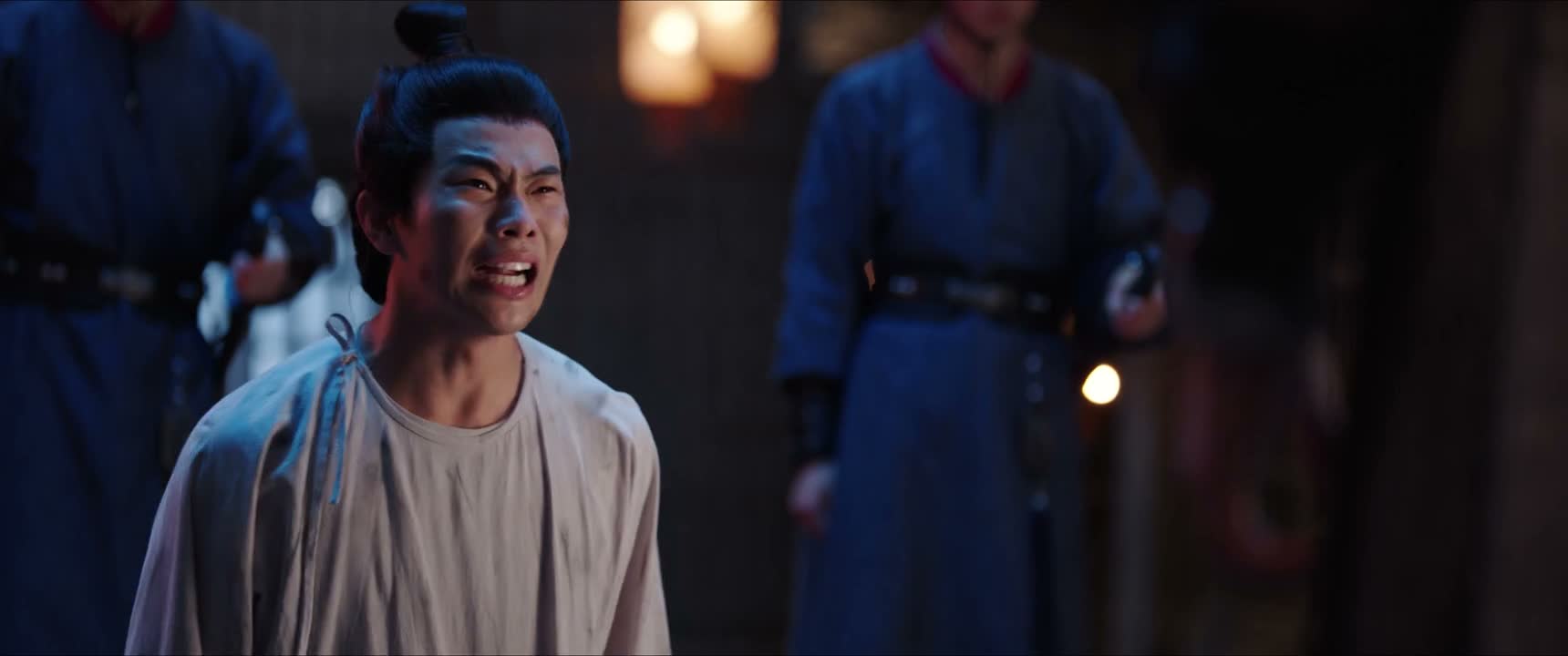
你怎么可以这么冤枉老师
“How could you wrong me like this?”
THE DIALOGUE REEL
“You are not brushing us off, are you? You didn't do anything at all, did you?”
你 怎么可以 这么 冤枉老师
“How could you wrong me like this?”
“I am working so hard to find you a coach,”
“How dare you question my efforts after everything I have done for you?”
Teachers in Chinese culture often refer to themselves in the third person as 'lǎoshī' to subtly invoke authority, moral dignity, and paternalistic goodwill.
LEARNING CHUNKS & PARTICLES
how could you
Used as a rhetorical reproach when accusing someone of inappropriate or unfair behavior.
to treat unjustly / to wrongfully accuse
Used when someone feels falsely blamed or when their genuine efforts are misunderstood.
VOCABULARY & EXPRESSIONS
Parallel Spoken Cinema Scenes (语义近邻切片)

“Doesn't the teacher usually get the blame?”

“I am truly being wronged.”

“When you were in school, did you always snitch to the teacher?”

“Well, this is just what a teacher should do, right?”

“You can't just use that to pin this on me!”
“is innocent!”