MC
MandarinClips Cinema Corpus
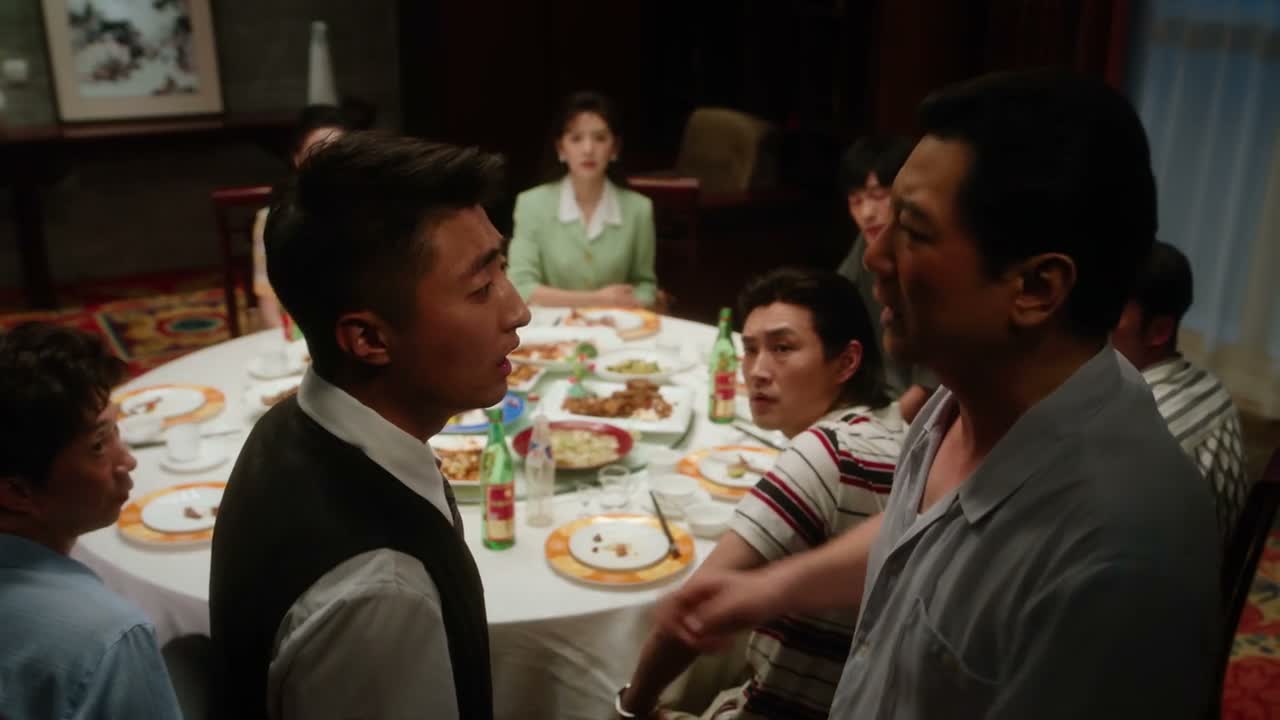
《My Destiny》 S1·E12 (14:42) HSK 4
bù zěn me hái mà rén ne wǒ suàn mà rén ma

不 怎么还骂人呢 我算骂人吗

“Wait... Hey, no need to be mad. I'm being polite enough.”

《My Destiny》 S1·E12
TIMECODE: 14:42 · 1080P MASTER AUDIO

THE DIALOGUE REEL

1+1+1 SPOKEN CONTINUITY
[-1] PREVIOUS TURN gǔn

滚

“Get lost.”

bù zěn me hái mà rén ne wǒ suàn mà rén ma CURRENT FOCUS

不 怎么还 骂人 呢 我算 骂人 吗

“Wait... Hey, no need to be mad. I'm being polite enough.”

[+1] FOLLOW-UP TURN nǐ zhēn de hěn tǎo yàn

你真的很讨厌

“You're really annoying!”

Subtitles synced to millisecond timecode Browse Show Clips →
Scene: Social & Dating
Function: DEFENSIVE REBUTTAL
Tone: DEFENSIVE
Emotion: ANNOYANCE
WHAT THEY REALLY MEAN (PRAGMATIC SUBTEXT)
“Why are you overreacting so aggressively to a minor remark?”
💡 Cultural Insight: Playful Bickering (欢喜冤家)

In Chinese interpersonal dynamics, sharp exchanges like 'get lost' and defensive retorts often signal intimate informal bickering rather than genuine hatred.

INTENT TAGS: #defensiveness #protest #feigned_innocence #bickering
🧩

LEARNING CHUNKS & PARTICLES

2 CHUNKS · 2 PARTICLES
骂人 SPOKEN CHUNK

to scold or curse at someone

Use when someone uses offensive or aggressive verbal language towards another person.

怎么还 SPOKEN CHUNK

why go so far as to; how come

Use to express surprise or grievance when an unexpected negative reaction escalates.

Modal Particle「呢」 (ne) CHANGE OF STATE

Marks an inquisitive, slightly aggrieved tone questioning the reason behind the other's hostility.

Modal Particle「吗」 (ma) CHANGE OF STATE

Forms a rhetorical question asserting that the speaker did not actually use abusive language.
🏮

VOCABULARY & EXPRESSIONS

2 EXPR · 0 GRAMMAR
CROSS-CINEMA CORPUS BOARD · PARALLEL SCENES

Parallel Spoken Cinema Scenes (语义近邻切片)

EXPLORE BY SEMANTIC SIMILARITY
《My Destiny》 S1·E12 (14:42) · Authentic Cinema Dialogue Corpus