骂人
mà rénCommon spoken expression used by native Chinese speakers in daily life.
[Scene: 其他场景]
(7 clips)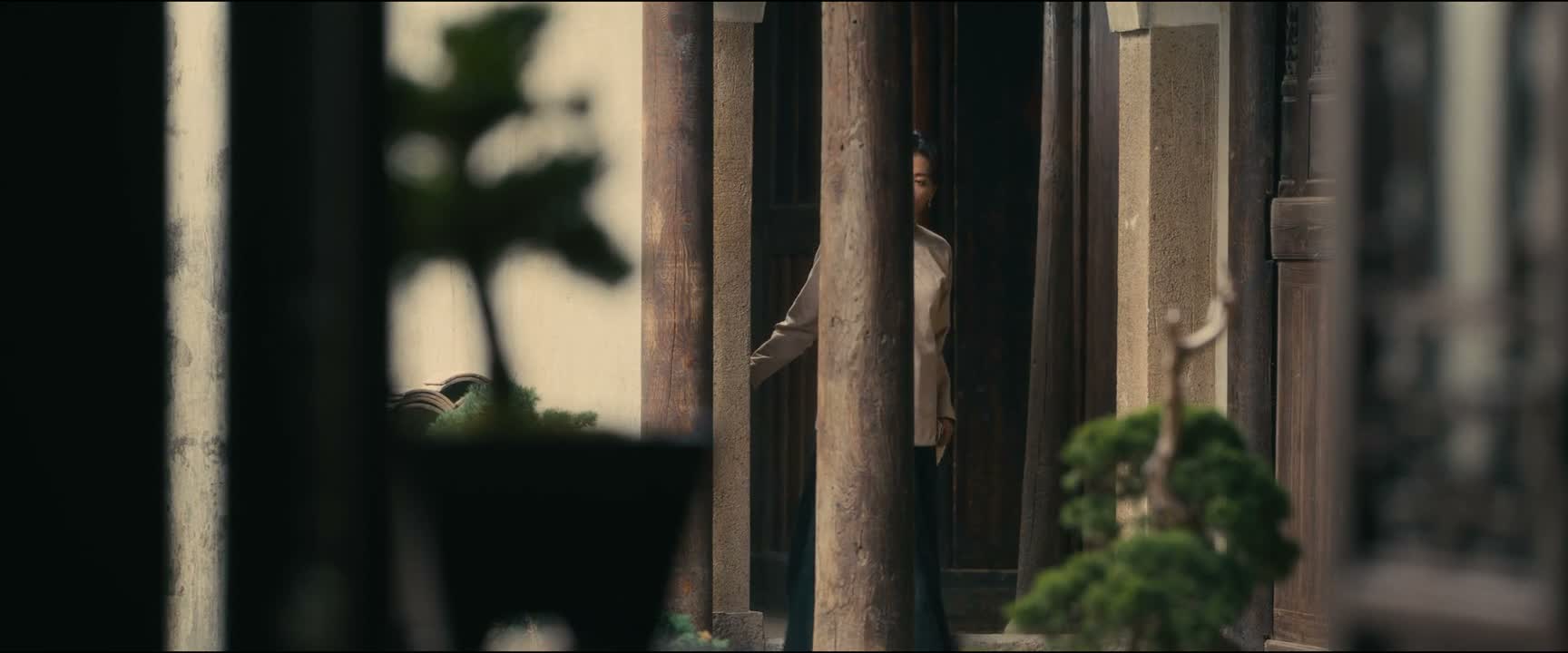 00:02
 00:02
(你骂谁呢) ── Previous context
“Who are you? I'm nobody. I just heard you cussing someone and wanted to cuss you back.”
 00:03
 00:02
 00:02
 00:02
(怎么嘴上不在乎 实际上一直关注呢吧 谁关注你了) ── Previous context
“Why would we? Who are you? Shameless! What the heck?”
 00:02
(若不是澹儿让你活着 我早上杀手了) ── Previous context
“Do you think you'd still be here cursing at us? Kill me then!”
[Scene: 其他场景]
(6 clips)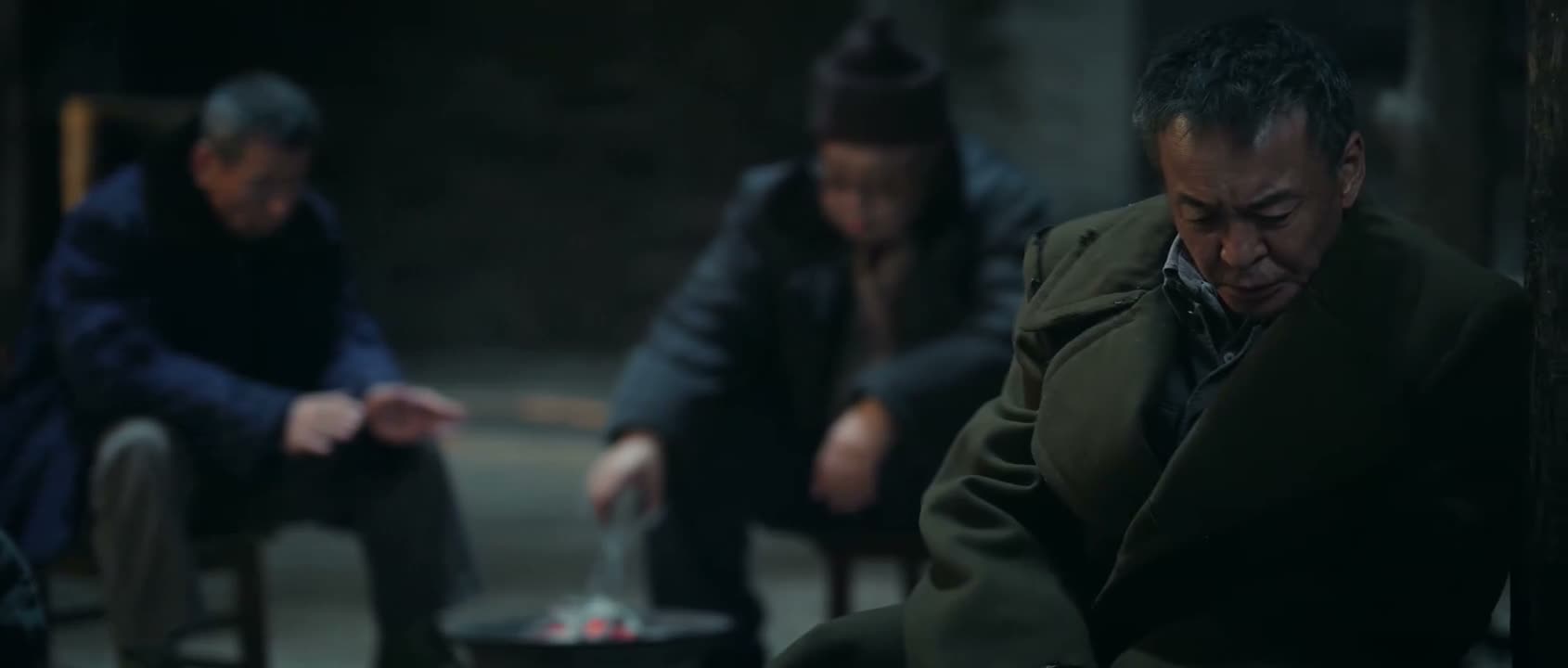 00:02
 00:03
(准确 一定准确 姐 老师 大学老师) ── Previous context
“She has excellent verbal skills, -insulting people without dirty words. -No matter how accurate she is,”
 00:03
(二百五) ── Previous context
“Are you calling me an idiot? I'm also buying your rice cooker.”
 00:03
(他眼睛在哪呀) ── Previous context
“They're arguing in the comments, look. No, thanks. That's too scary.”
 00:03
(你说) ── Previous context
“Tell me. What three things? No swearing. No bad language. No fights.”
 00:02
(就上一次 你记得吗) ── Previous context
“he cursed me on the street? Didn't you curse him too?”
[Scene: 其他场景]
(2 clips) 00:02
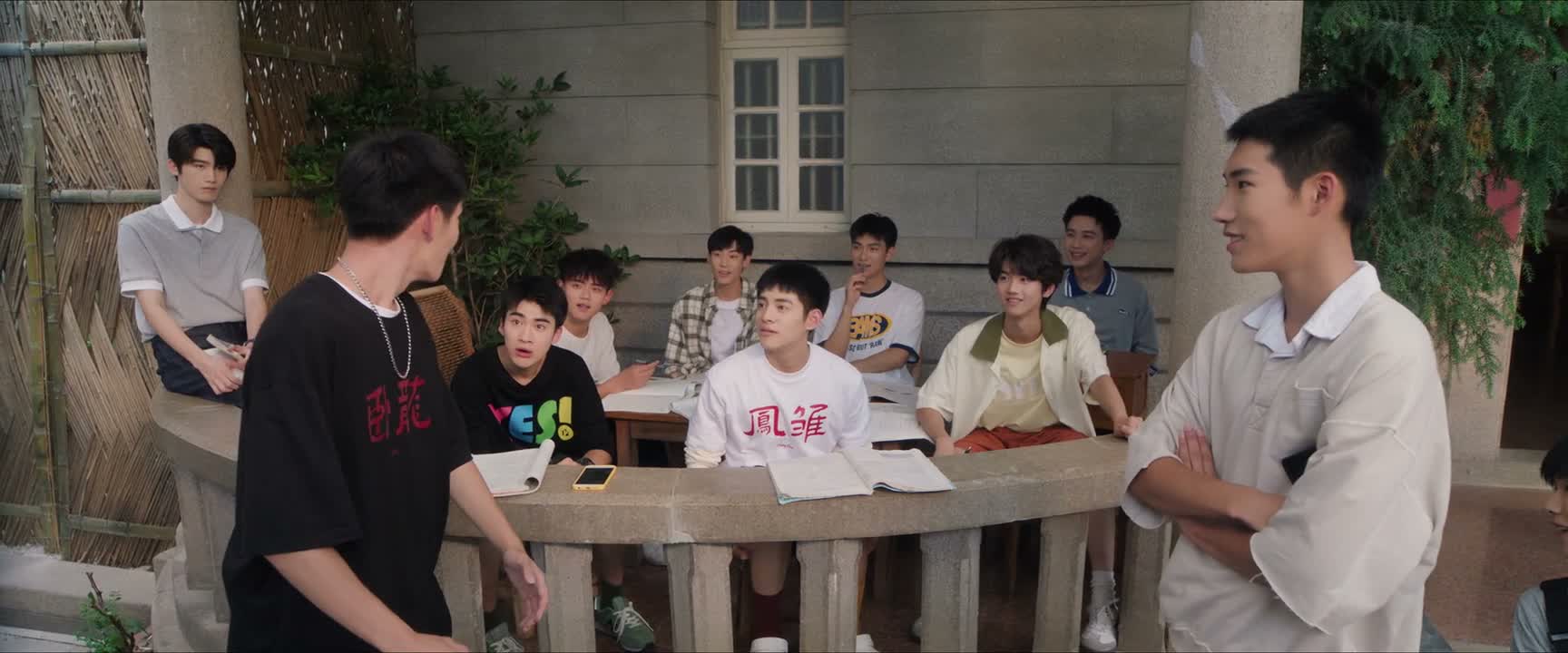 00:03
(有了 尔獐头鼠目 必非善类) ── Previous context
“I can insult people in Classical Chinese now! That's progress.”
[Scene: 社交聚会]
(2 clips)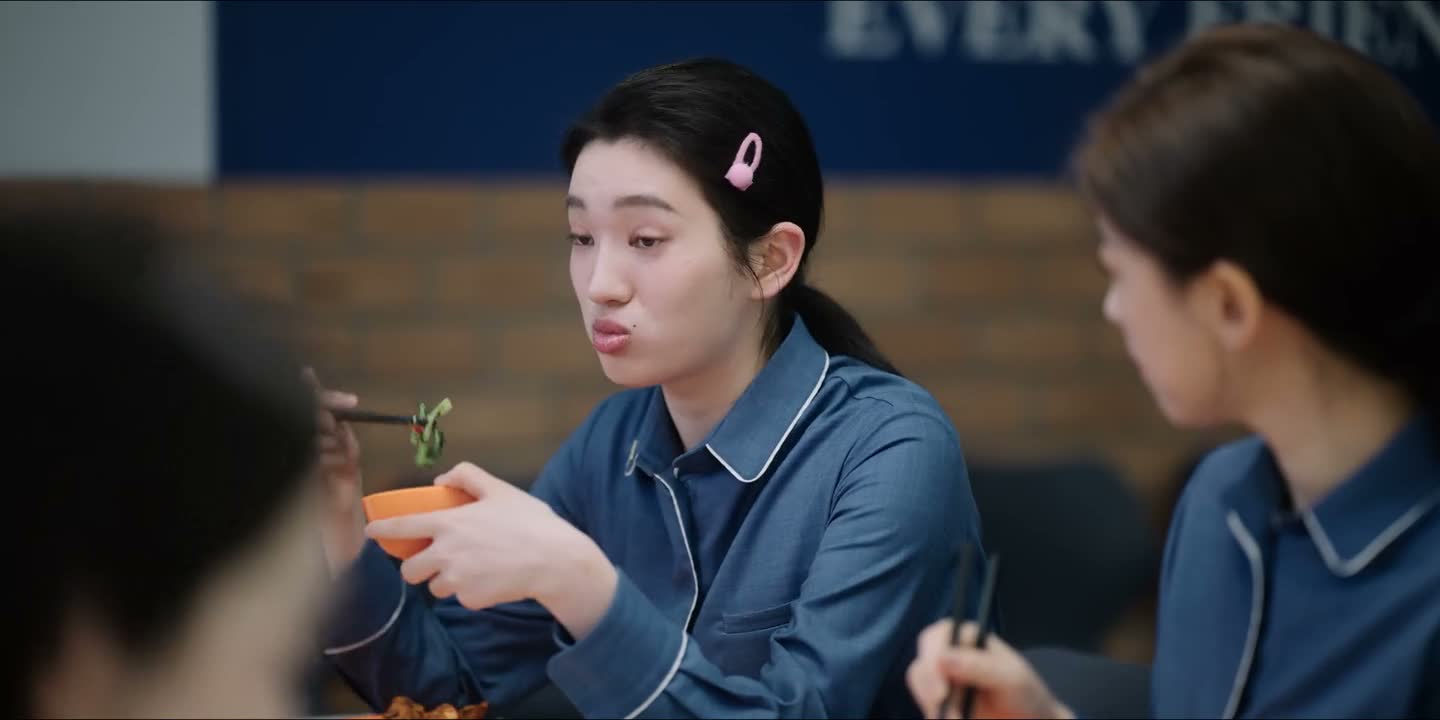 00:02
(还像个正常人) ── Previous context
“But when he has writer's block, he'll just scold others.”
 00:02
📌 神经病
→Nuance: 同向近义词根配对: [别人 ↔ 人家]
📌 关你什么事
→Nuance: 质问身份并排斥干涉意图一致
📌 是吧
→Nuance: 同向近义词根配对: [电影院 ↔ 影院]
📌 不是
→Nuance: 质问身份并表达不屑意图一致
📌 神经
→Nuance: 同向近义词根配对: [别人 ↔ 人家]
📌 没有啊
→Nuance: 同向近义词根配对: [电影院 ↔ 影院]
📌 来
→Nuance: 同向近义词根配对: [电影院 ↔ 影院]