还能等到你再骂人 你杀我呀
“Do you think you'd still be here cursing at us? Kill me then!”
THE DIALOGUE REEL
“If it weren't for the fact that Dan wants you alive, I'd have killed you long ago.”
还能 等到 你再 骂人 你杀我呀
“Do you think you'd still be here cursing at us? Kill me then!”
杀我呀
“Kill me!”
“You don't have the guts or the permission to lay a finger on me, so stop pretending.”
In confrontational Chinese drama, daring an adversary to kill reveals that the adversary is bound by a superior order, effectively exposing their powerlessness.
LEARNING CHUNKS & PARTICLES
kill me then; go ahead and kill me
An extreme dare used in spoken arguments to demonstrate total lack of fear when holding the upper hand.
to curse; to scold someone
Everyday spoken term referring to verbally abusing or scolding others.
Softens the phonetic transition while intensifying the taunting, sarcastic dare.
VOCABULARY & EXPRESSIONS
Parallel Spoken Cinema Scenes (语义近邻切片)

“Come any closer and I'll kill you!”
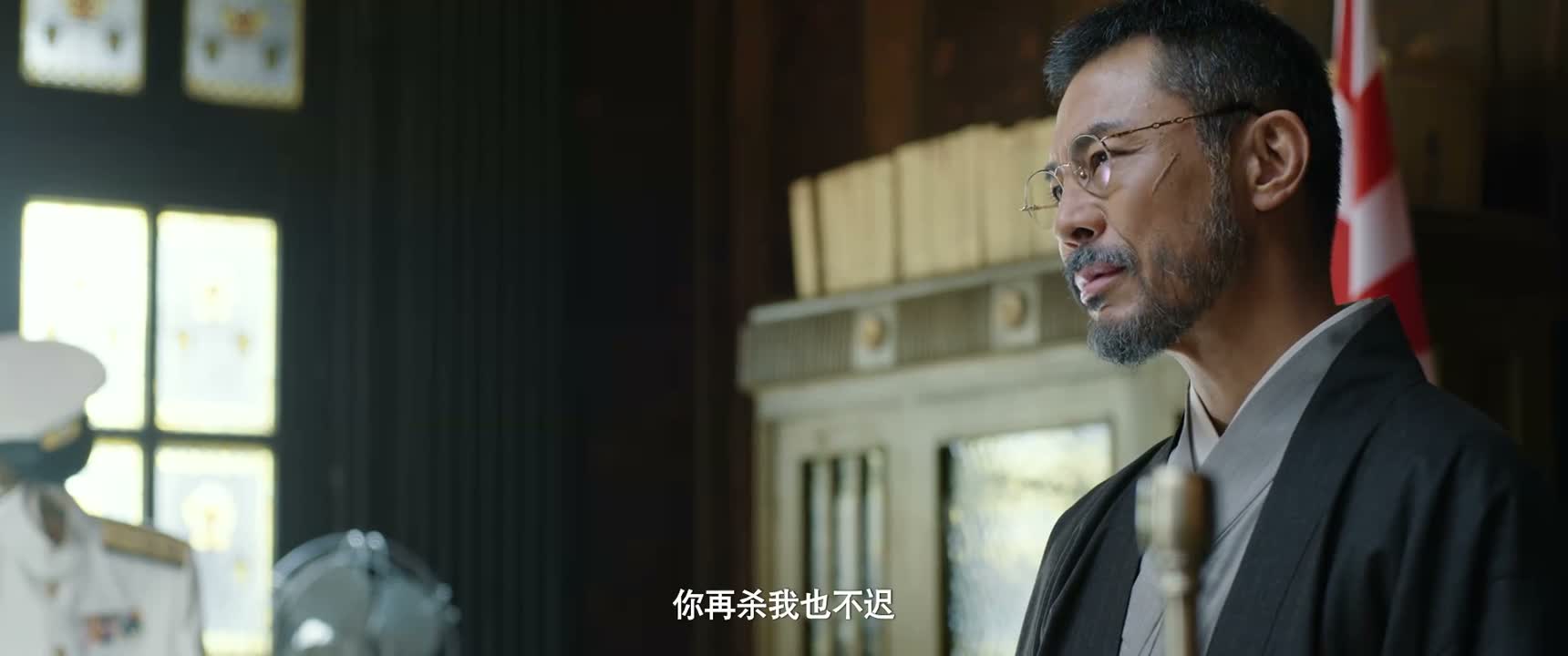
“It won't be too late to kill me then.”

“your father will not scold you anymore.”

“Next time you curse at me, I'll hit you.”

“Take one more step and I'll kill you!”
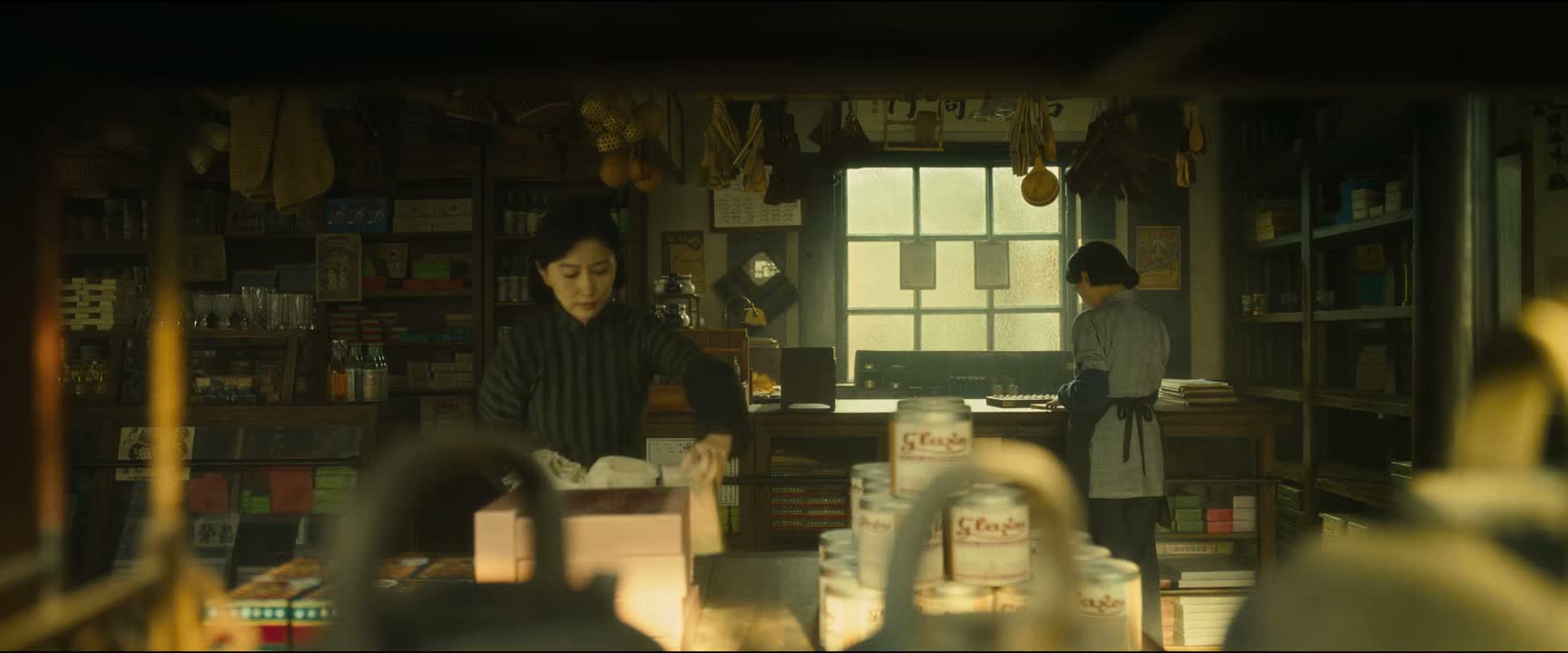
“an eye for an eye. It's a fierce fight.”