是吗 扇耳光 骂人
“Is that so? Slapping me, insulting me,”
THE DIALOGUE REEL
“I'm disciplining my own child, and I don't need anyone else to interfere.”
是吗 扇耳光 骂人
“Is that so? Slapping me, insulting me,”
“not letting me eat, locking me up in a dark room—”
“You call that parenting? You are just abusing your child.”
Historically, Chinese domestic discipline was considered private family business ('家务事'), but modern social and legal norms increasingly condemn corporal punishment as child abuse.
LEARNING CHUNKS & PARTICLES
is that so? / oh really?
Used with a falling or skeptical intonation to challenge an assertion rather than ask a genuine question.
slap someone in the face
A strong, blunt spoken phrase describing the physical act of slapping someone across the ears/face.
scold / yell at / verbally abuse people
Common everyday term for using abusive language toward others.
Used here sarcastically to form a rhetorical challenge rather than seeking basic information.
VOCABULARY & EXPRESSIONS
Parallel Spoken Cinema Scenes (语义近邻切片)
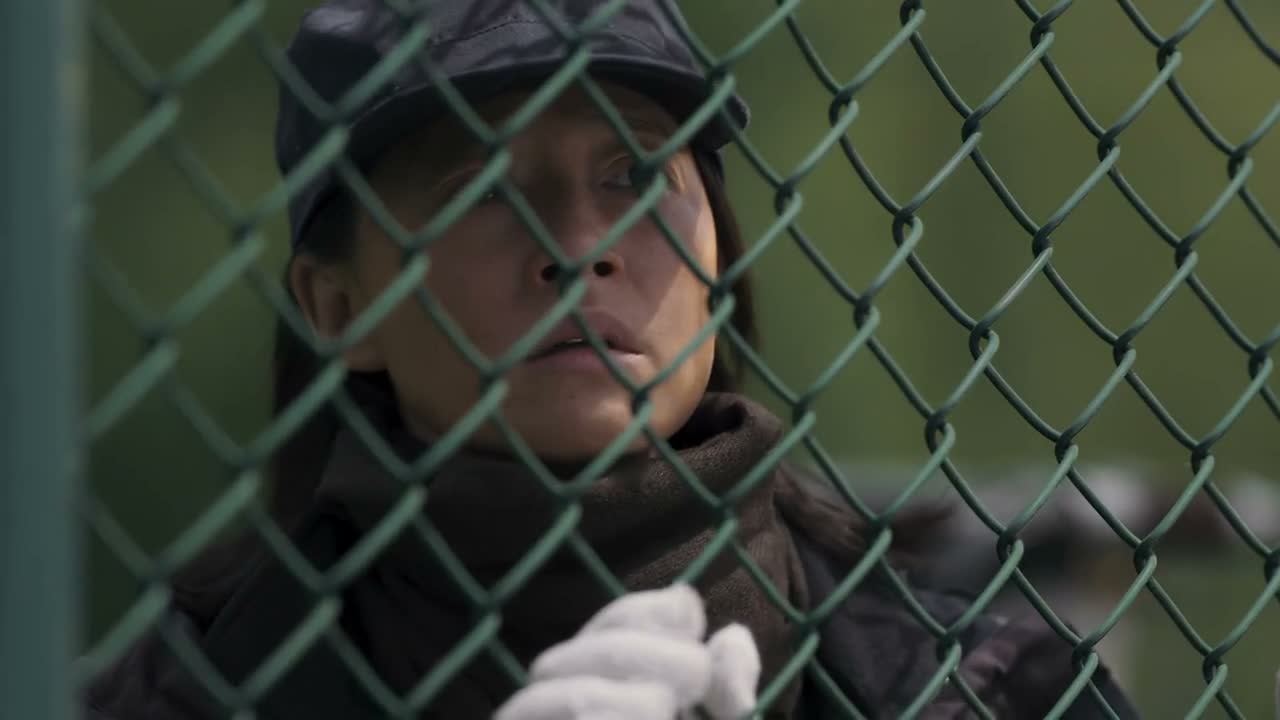
“(That slap was for her to see.)”
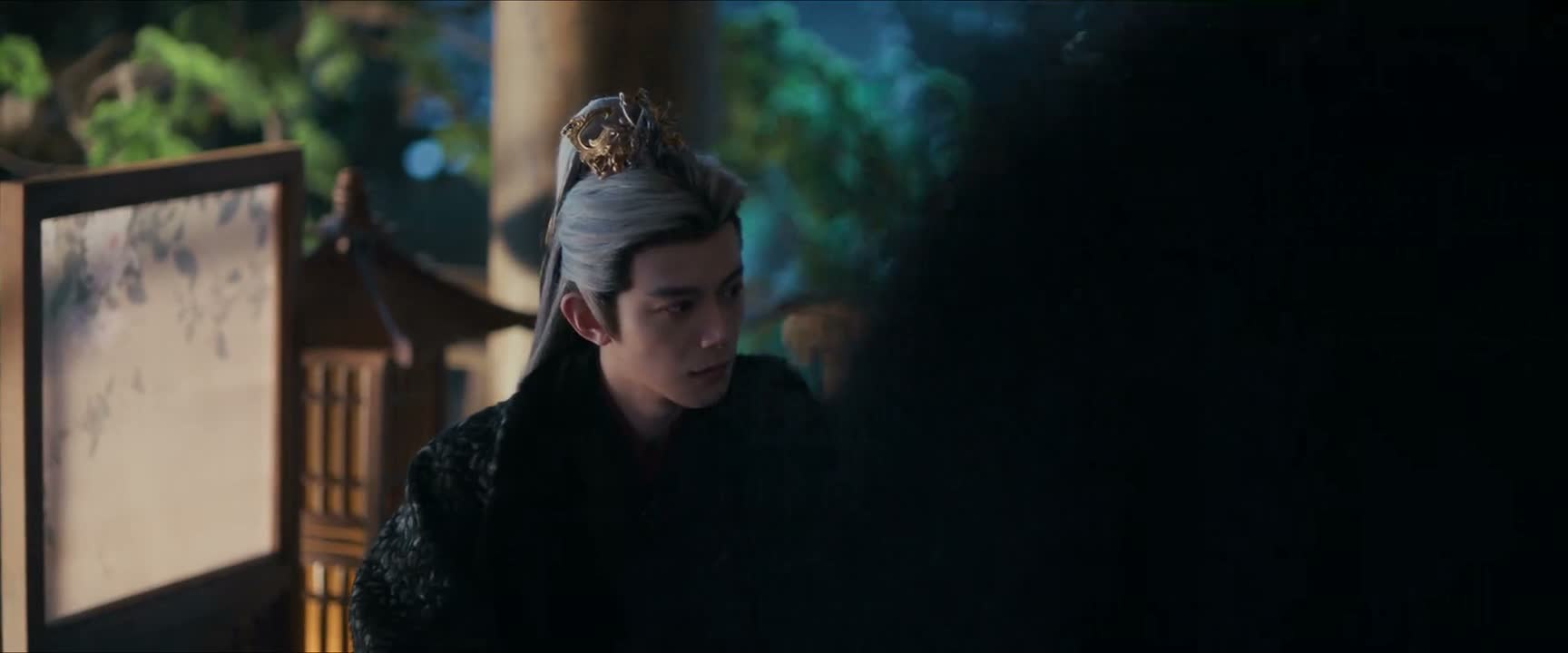
“The Emperor got a slap in the face?”
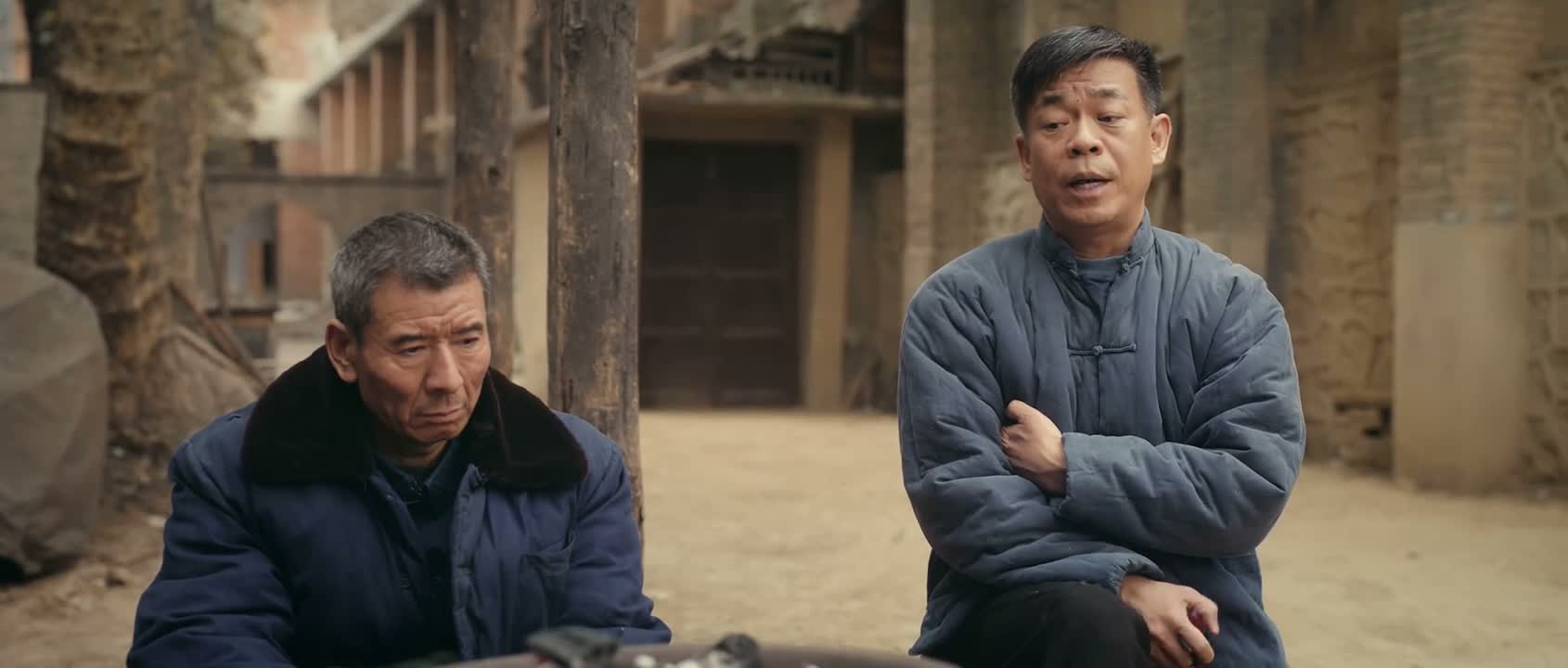
“didn't just knock your tooth out,”

“Don't mess with me. You can't catch a cold.”

“Pretend I'm the one spreading rumors and slap me hard, okay?”
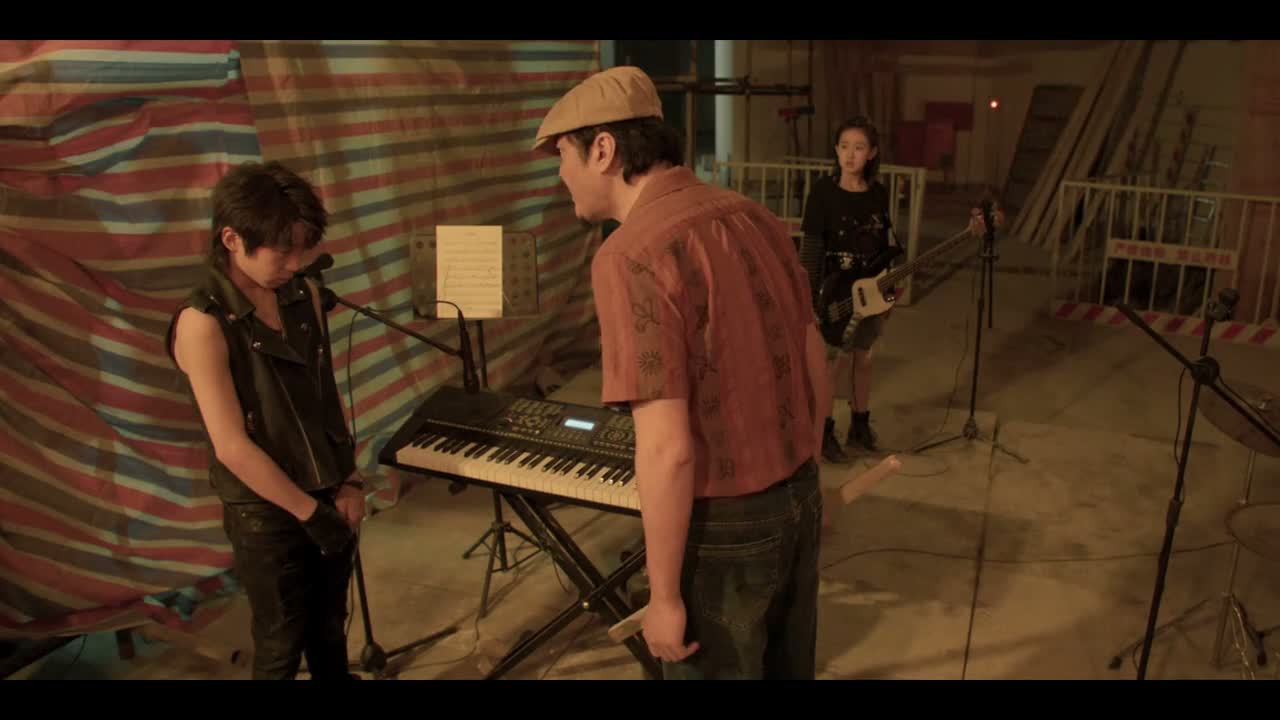
“Did you take that as nothing?”