续蕊 我不该把你牵扯进来
“Xu Rui, I shouldn't have dragged you into this.”
THE DIALOGUE REEL
简直做梦都要笑醒
“They'd wake up laughing from their dreams.”
续蕊 我 不该 把 你 牵扯进来
“Xu Rui, I shouldn't have dragged you into this.”
“I feel terribly guilty for dragging you into my mess and putting you at risk.”
In Chinese interpersonal interactions, people place great importance on avoiding bringing unnecessary trouble or danger to friends because of their own private affairs. Saying that one 'dragged you into this' reflects a deep sense of responsibility and guilt regarding the other person's boundaries and safety.
LEARNING CHUNKS & PARTICLES
to drag or involve someone into trouble, disputes, or danger
A common colloquial pattern used when one's own affairs implicate or burden an innocent third party. It is often used with 'bu gai' (should not) or 'bu xiang' (do not want to) to express regret or an apology.
VOCABULARY & EXPRESSIONS
Parallel Spoken Cinema Scenes (语义近邻切片)
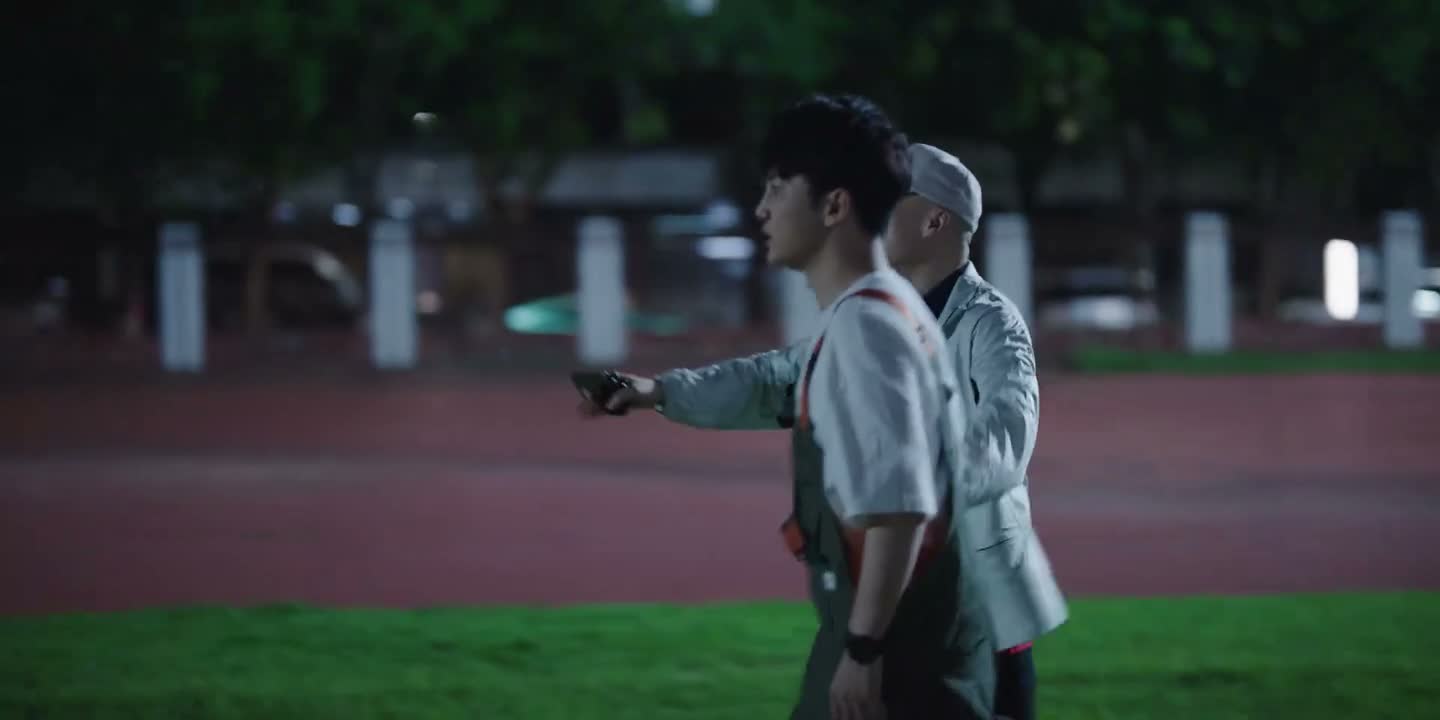
“Xu Rui, it's fine. This is a small scene”

“Xu Rui, didn't you get bitten?”
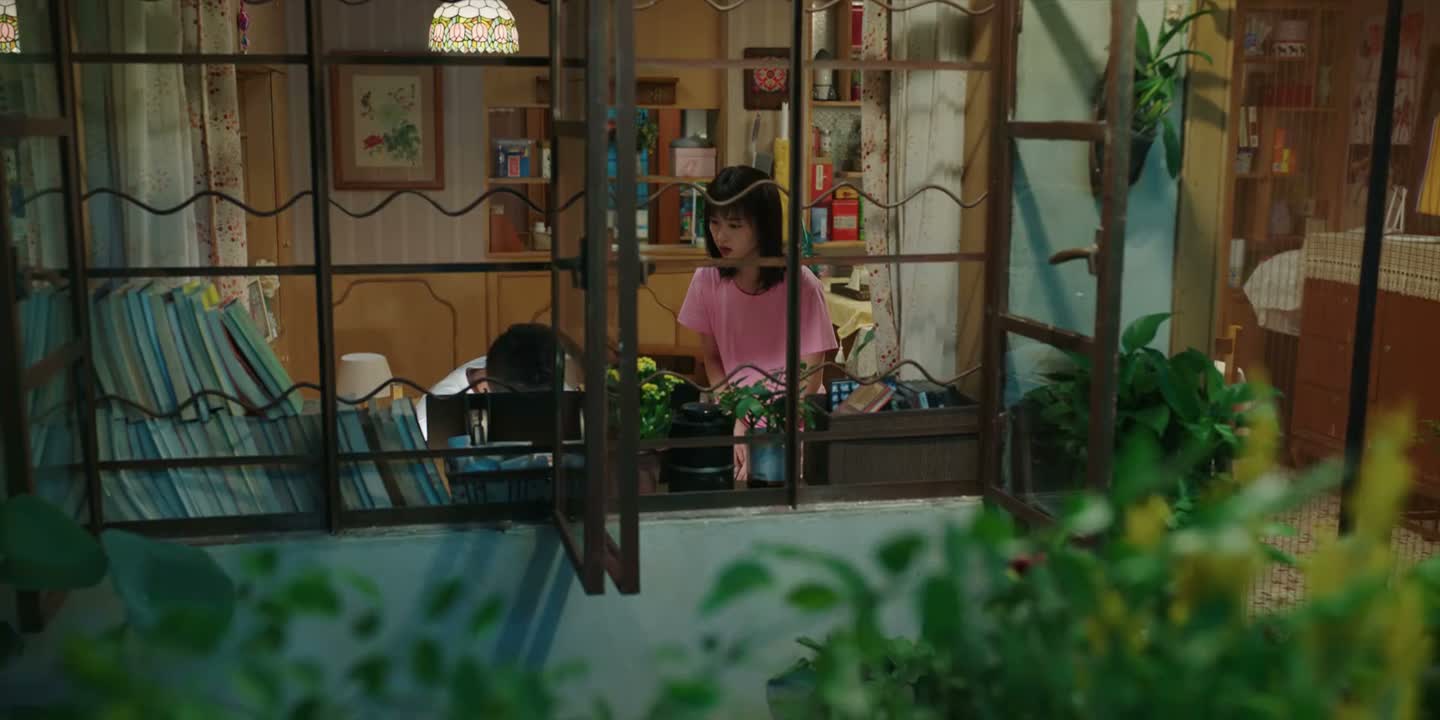
“Don't worry about Xu Rui's business.”
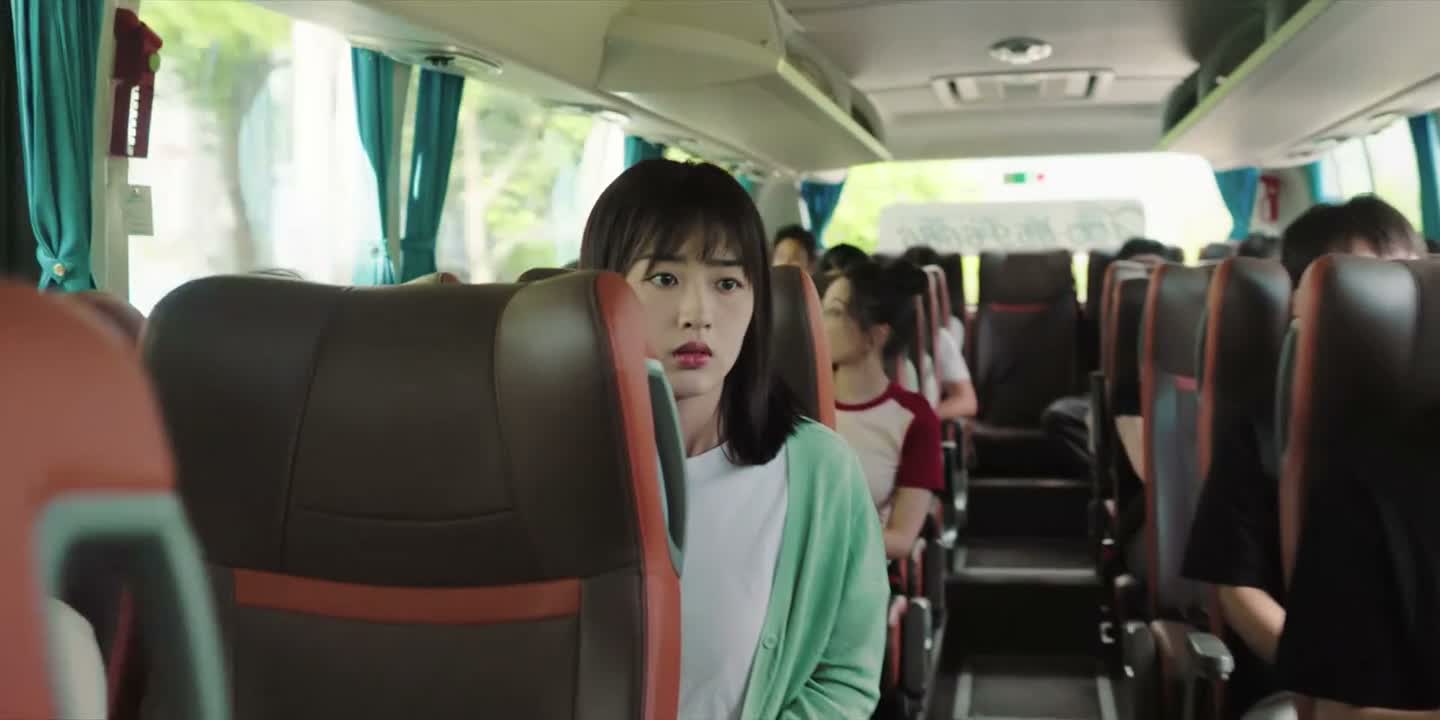
“Xurui won't even mention Xiaocan now”

“Xurui knew more than two years before I did.”

“How can I get Xurui to make up with me?”