不惦记自己的儿子啊
“What mother doesn't worry about her son?”
THE DIALOGUE REEL
不惦记自己的儿子啊
“What mother doesn't worry about her son?”
这么多年了
“All these years...”
“Of course I constantly worry about my son; as a mother, it's impossible not to after all these years.”
In traditional Chinese family ethics, a mother's concern for her children is viewed as an innate instinct and a symbol of selfless devotion. Referring to oneself or mothers generally as 'dang ma de' reflects deep familial attachment and maternal responsibility.
LEARNING CHUNKS & PARTICLES
A rhetorical double-negative pattern meaning 'every single... does...' or 'which one doesn't...?'
A very common spoken rhetorical pattern used to strengthen tone and emphasize that something is common sense or an undeniable truth.
To keep thinking about someone or something; to be constantly concerned about.
Commonly used among family and friends to express ongoing concern and care. Compared to 'xiang nian' (to miss), it places greater emphasis on worrying about someone's well-being.
Used at the end of a rhetorical question to heighten emphasis and exclamatory tone, making emotional expression more intense.
VOCABULARY & EXPRESSIONS
Parallel Spoken Cinema Scenes (语义近邻切片)
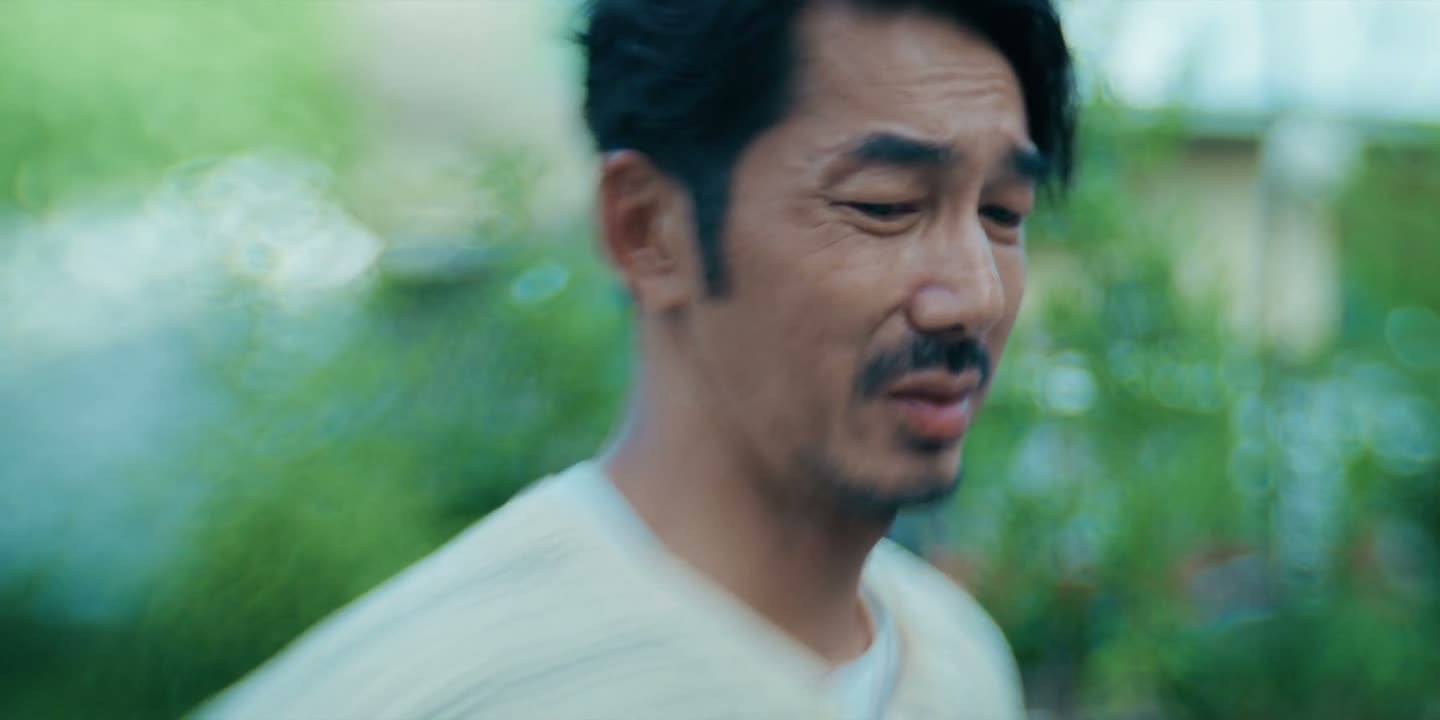
“How can I not recognize my own son?”
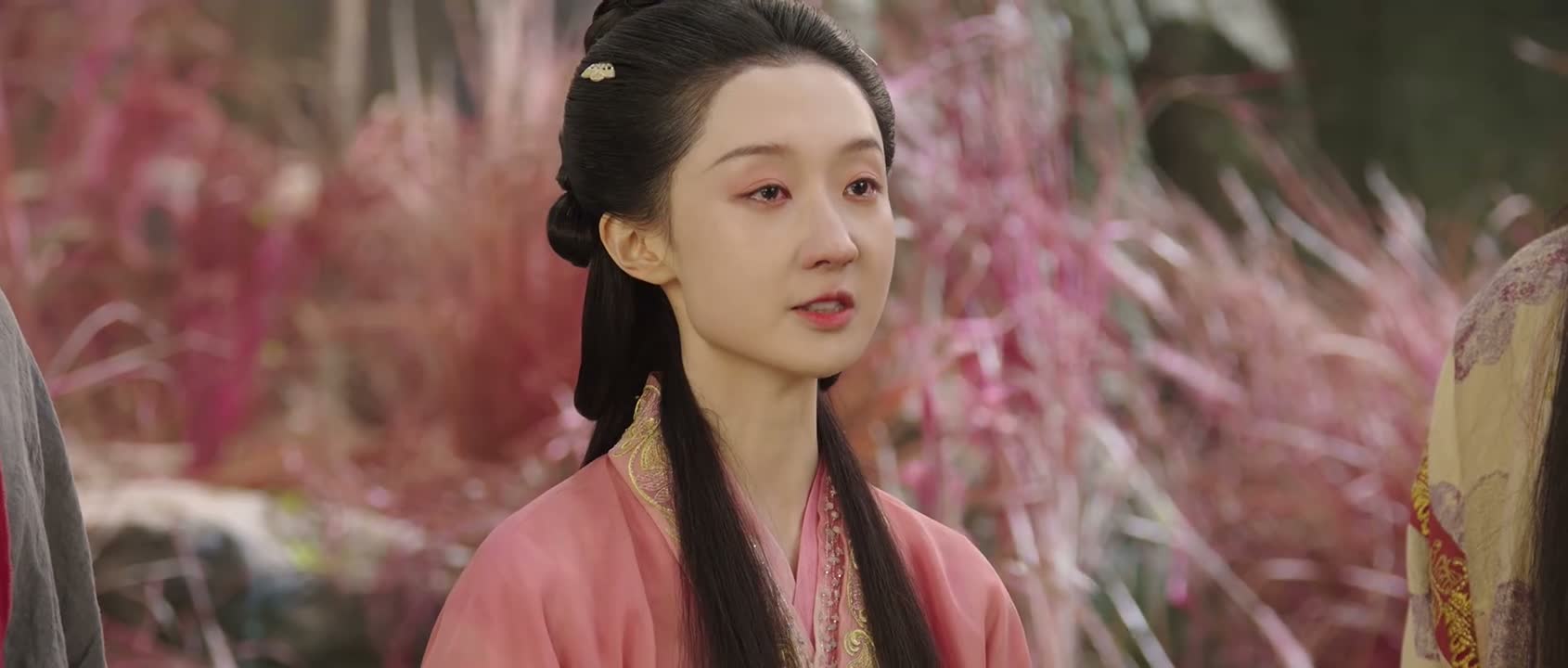
“You won't even acknowledge your son?”

“it's not that I'm eyeing your money. It's a rare opportunity.”
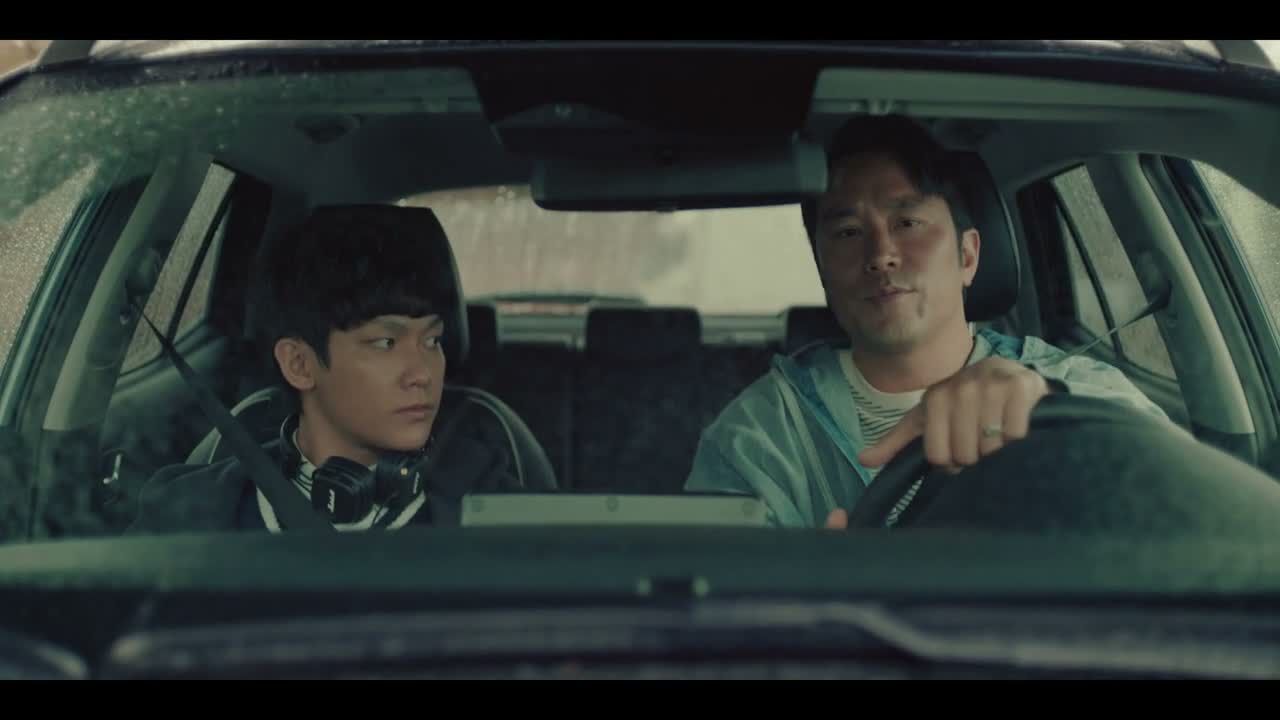
“I'm not having a heart-to-heart with my son.”

“if you keep thinking about my son, I'll risk my life”

“I know I have my own son.”