今天这事你得给我说清楚
“You need to explain what's going on here.”
THE DIALOGUE REEL
再说了
“You need to explain what's going on here.”
今天这事你得给我说清楚
“You need to explain what's going on here.”
说不清楚
“If you don't, I won't let this go.”
“You owe me a serious explanation for what happened today, and you're not getting away with it.”
When personal interests are compromised, emotions betrayed, or responsibilities evaded in social interactions, the aggrieved party typically demands that the other side 'shuo qing chu' (clear things up) or 'gei ge shuo fa' (provide an explanation). This goes beyond factual clarification; it is a communicative tactic to compel the other person to admit fault, take responsibility, and preserve dignity.
LEARNING CHUNKS & PARTICLES
to explain clearly to someone; to make things clear to someone
A high-frequency spoken structure commonly used to demand a clear explanation or account when misunderstandings, conflicts, or disputes arise.
you must...; you have to...
The auxiliary verb 'dei' expresses a subjectively imposed obligation or command, carrying a firm and non-negotiable tone.
VOCABULARY & EXPRESSIONS
Parallel Spoken Cinema Scenes (语义近邻切片)

“You must explain”

“You must explain this clearly!”

“You're telling me everything today!”

“But given the current situation, I should explain things to you properly.”

“Now everything is clear.”

“Do you know what you did wrong today?”
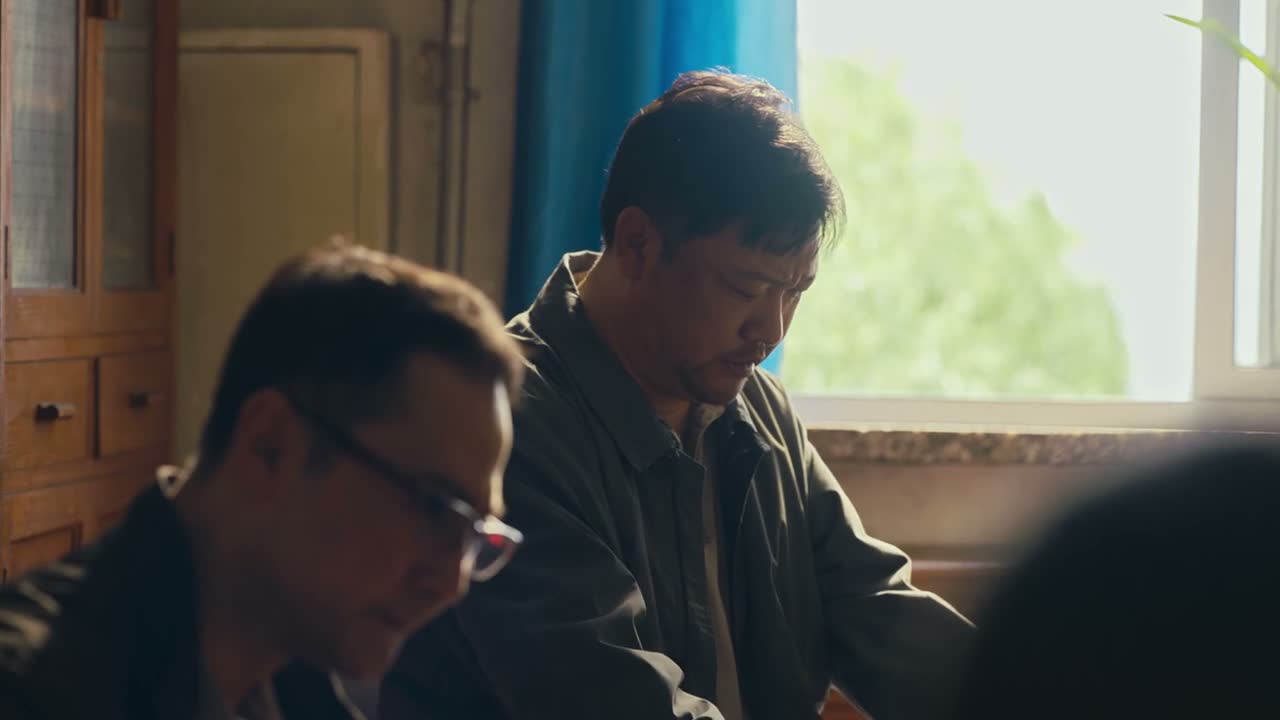
“the situation is pretty clear now.”

“I shall lay bare the truth now.”

“If Fang Muyang doesn't explain himself today,”