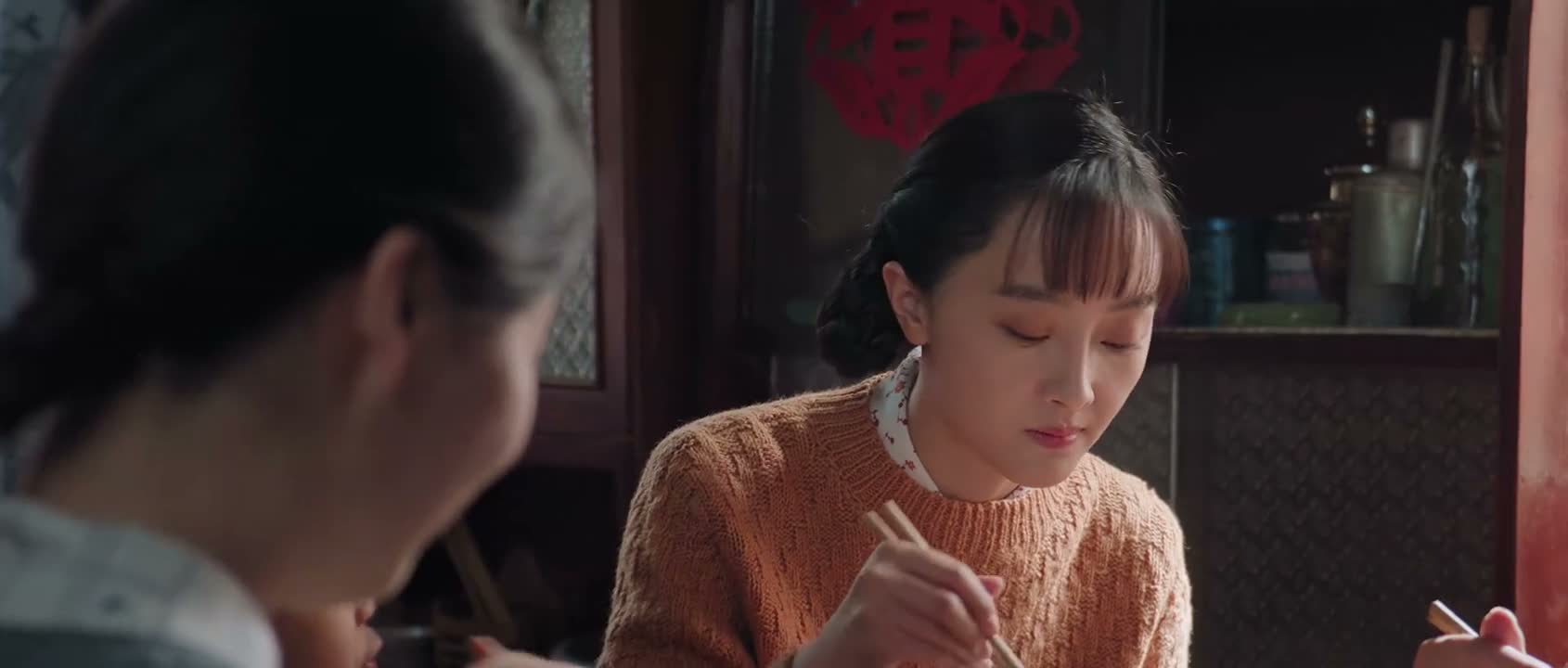
咱们下回能不能拿牛肉出气呀
“Can you take it out on some beef next time?”
THE DIALOGUE REEL
就切土豆丝
“whenever Officer Zhu is deep in thought, he shreds potatoes.”
咱们下回能不能拿牛肉出气呀
“Can you take it out on some beef next time?”
吃饭都堵不上你嘴
“Eating still doesn't shut you up.”
“Stop taking your anger out on the potatoes—if you really want to vent, cook us some beef instead next time!”
In Chinese families or among close friends, people often engage in affectionate banter centered around cooking and food ingredients. Lightly complaining about dishes or teasing the cook is a familiar way to express care, ease awkwardness, and enliven the home atmosphere.
LEARNING CHUNKS & PARTICLES
to vent frustration or anger on an innocent person or object; to take it out on someone or something
A common colloquial structure used to criticize or tease someone for misdirecting their anger, such as 'bie na wo chu qi' (don't take it out on me).
unable to keep someone quiet; cannot shut someone up
Often used half-jokingly among family members or close friends to playfully express annoyance or stop someone from nagging.
Used at the end of a question to soften the tone, making the playful tease sound warm and easygoing rather than blunt or confrontational.