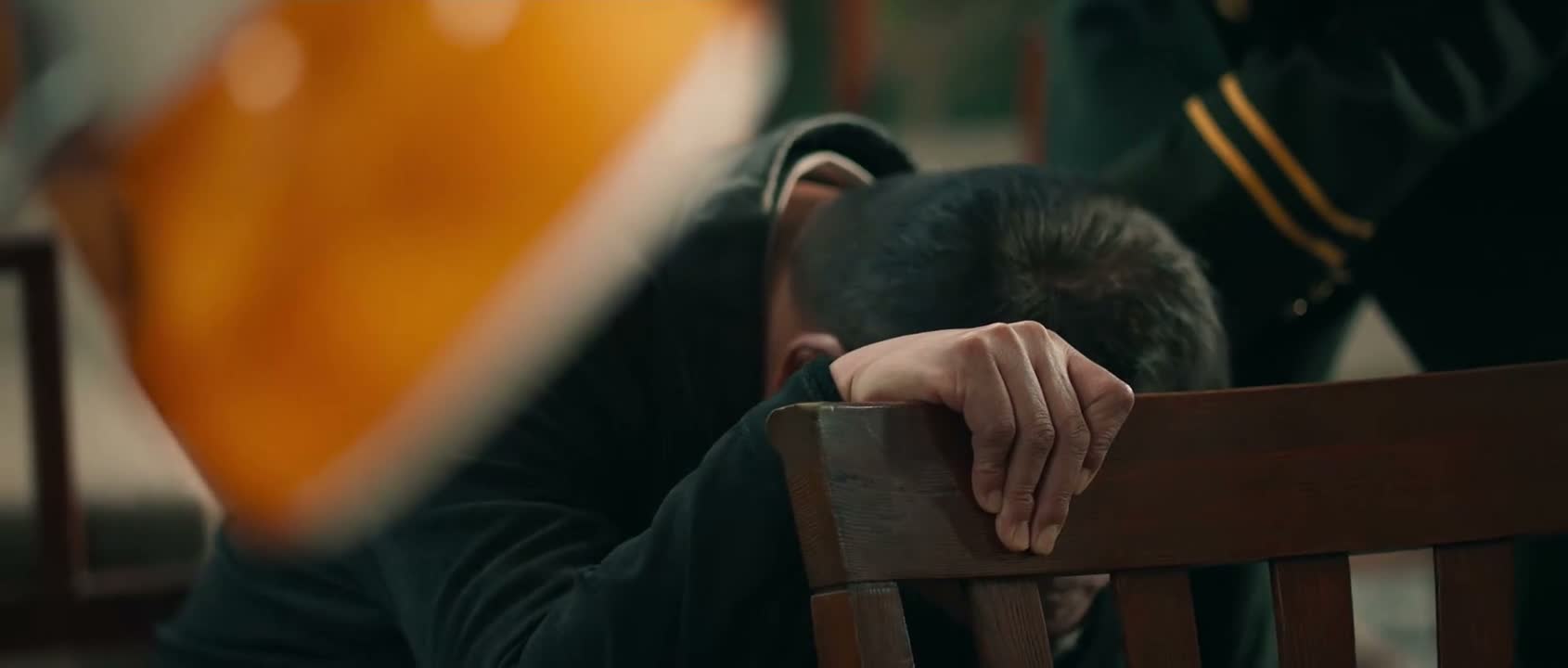
《Unsettled Case》 S1·E1 (07:48)
HSK 5
bù rán wǒ gāi zěn me bàn ?
不然我该怎么办?
“What was I supposed to do?”
《Unsettled Case》
S1·E1
TIMECODE: 07:48
·
1080P MASTER AUDIO
THE DIALOGUE REEL
[-1] PREVIOUS TURN
nǐ yǒu shí hòu zuò dé tài guò fèn le jīn tiān jiù shì yí gè hěn hǎo de lì zi
你有时候做得太过分了 今天就是一个很好的例子
“You go too far sometimes. And today was a perfect example.”
bù rán wǒ gāi zěn me bàn ?
CURRENT FOCUS
不然我该怎么办 ?
“What was I supposed to do?”
[+1] FOLLOW-UP TURN
nǐ ràng wǒ de chǔ jìng hěn gān gà yīn wèi nǐ bù ràng wǒ yòng kē sī dì de zhèng jù
你让我的处境很尴尬 因为你不让我用科斯蒂的证据
“You left me hanging. You wouldn't let me use Kirsty's evidence.”
Subtitles synced to millisecond timecode
Browse Show Clips →
Scene:
Crisis & Conflict
Function:
DEFENSIVE JUSTIFICATION
Tone:
CONFRONTATIONAL
Emotion:
FRUSTRATION
WHAT THEY REALLY MEAN (PRAGMATIC SUBTEXT)
“You gave me no other choice, so do not blame me.”
💡 Cultural Insight: Rhetorical Self-Exoneration
Asking 'what else could I do' shifts the burden of fault onto the circumstances or the other person's constraints.
INTENT TAGS:
#self_defense
#deflection
#frustration
#confrontation
🧩
2 CHUNKS · 0 PARTICLES
LEARNING CHUNKS & PARTICLES
不然
SPOKEN CHUNK
otherwise / if not
Useful conjunction to introduce an alternative condition or justify a necessary outcome.
我该怎么办
SPOKEN CHUNK
what should I do
Can be a genuine call for advice or, in a rhetorical question, an expression of helplessness and frustration.
🏮
1 EXPR · 7 GRAMMAR
VOCABULARY & EXPRESSIONS
COLLOQUIAL EXPRESSIONS:
CROSS-CINEMA CORPUS BOARD · PARALLEL SCENES
EXPLORE BY SEMANTIC SIMILARITY
Parallel Spoken Cinema Scenes (语义近邻切片)

《Unsettled Case》 S1·E1 (07:48) · Authentic Cinema Dialogue Corpus