难道这就是桂芳的一生吗
“Is this really Gui Fang's life?”
THE DIALOGUE REEL
少年丧母 中年丧父 老年丧子
“Losing mom young, dad in middle age, son in old age.”
难道 这就是 桂芳 的 一生 吗
“Is this really Gui Fang's life?”
换作你们是小灿
“If you were Xiaocan,”
“It is heartbreaking and unfair that her whole existence was filled with such misery.”
Traditional Chinese culture regards losing a mother in youth, a spouse in middle age, and a child in old age as the ultimate human tragedies, evoking intense collective sorrow.
LEARNING CHUNKS & PARTICLES
could it really be that... / don't tell me that...
Used in rhetorical questions to emphasize disbelief, incredulity, or tragic resignation.
a lifetime / one's whole life
Often used in reflective or philosophical contexts to summarize a person's life journey.
Forms a rhetorical question highlighting shock and sorrow rather than seeking factual confirmation.
VOCABULARY & EXPRESSIONS
Parallel Spoken Cinema Scenes (语义近邻切片)
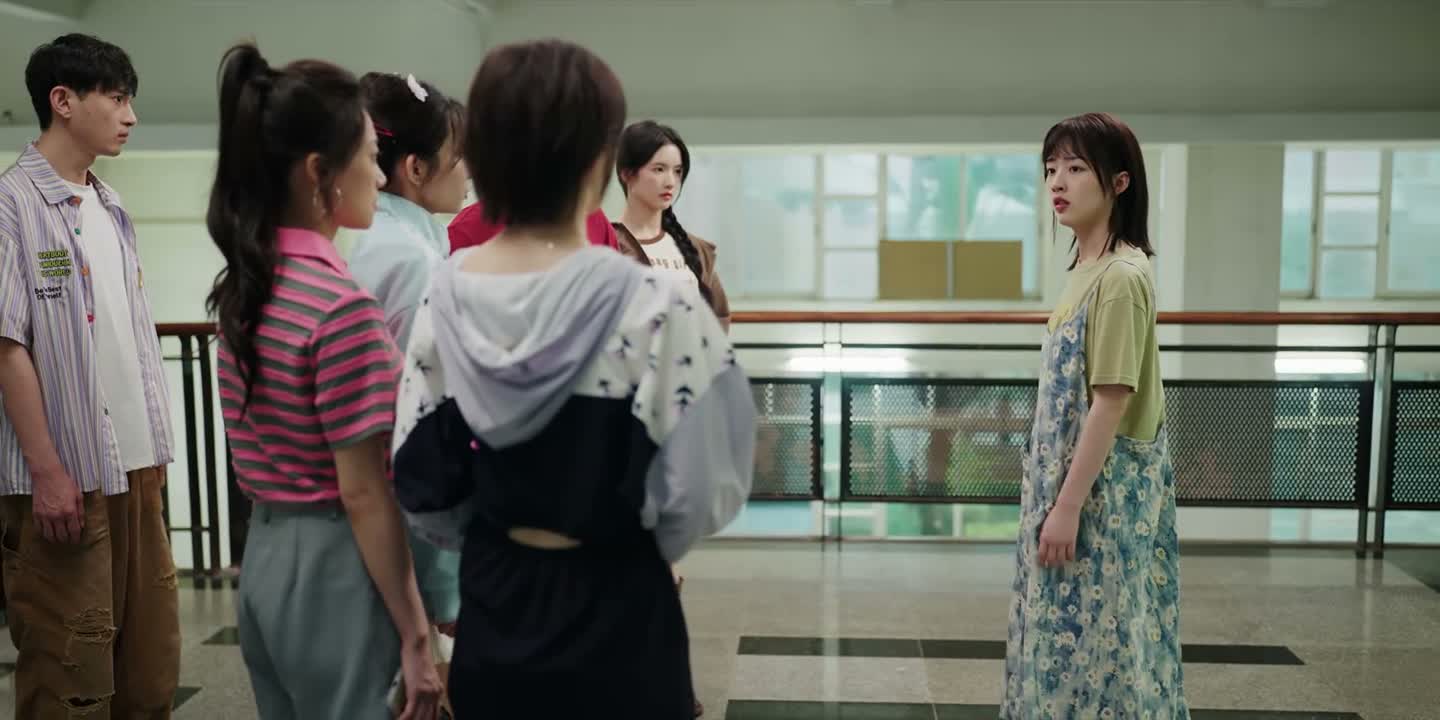
“Guifang, this thing is never-ending.”
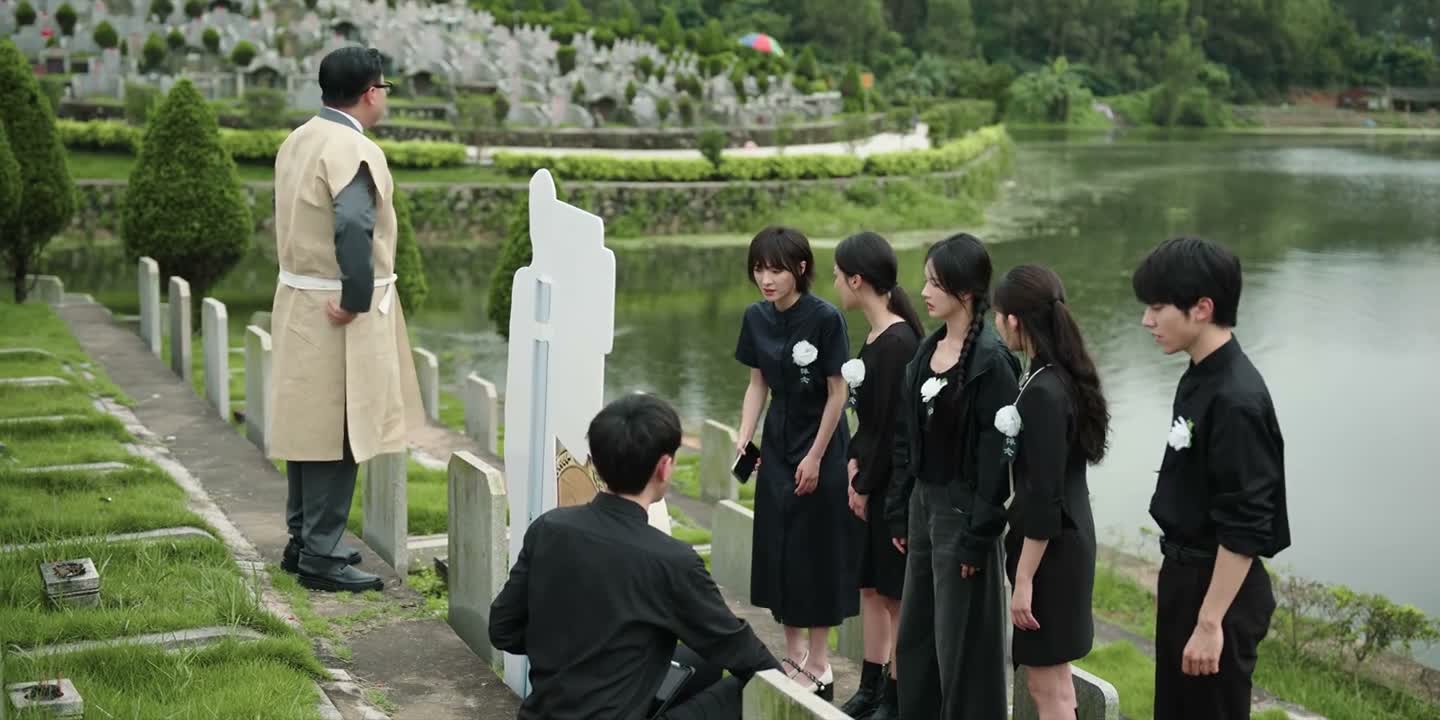
“How could Guifang want to commit suicide? Sui...”
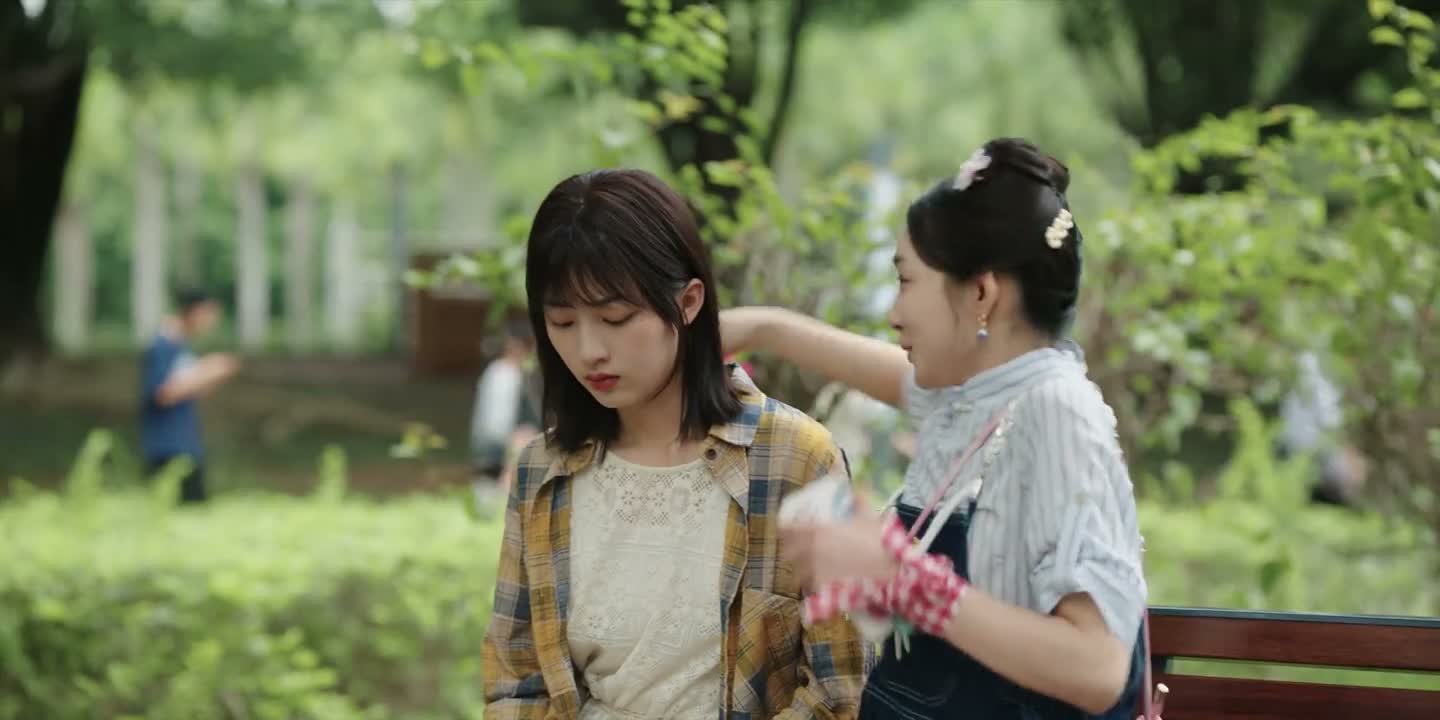
“Gui Fang, I was simply amazing just now.”
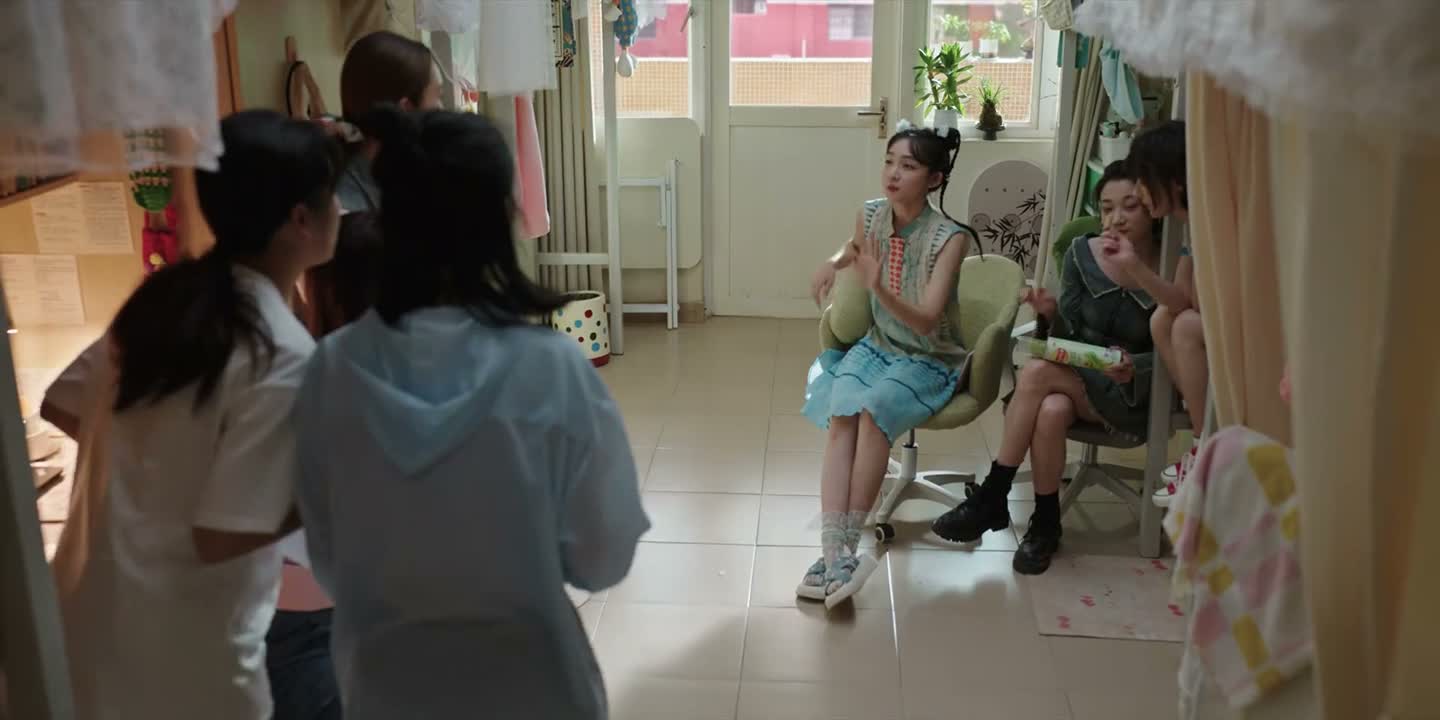
“Give our Gui Fang some space.”
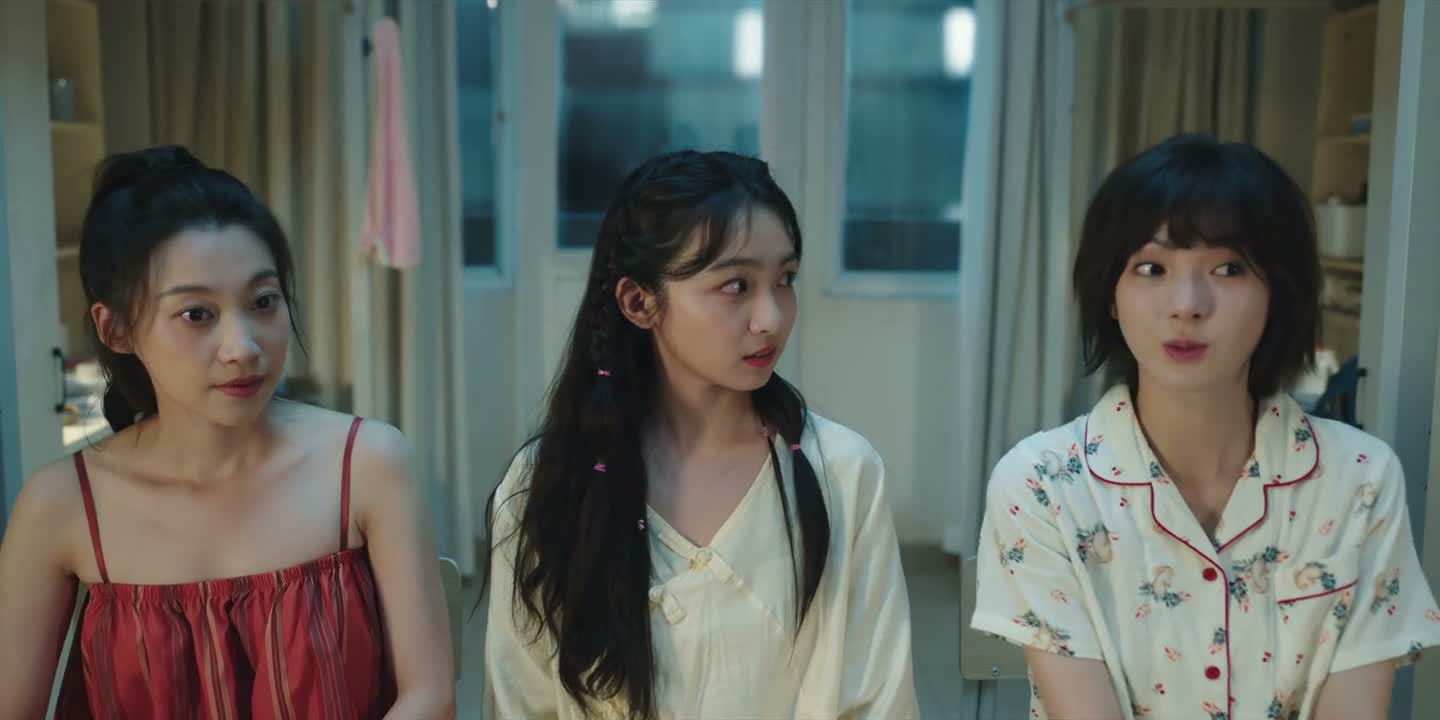
“Guifang, from the sound of it,”
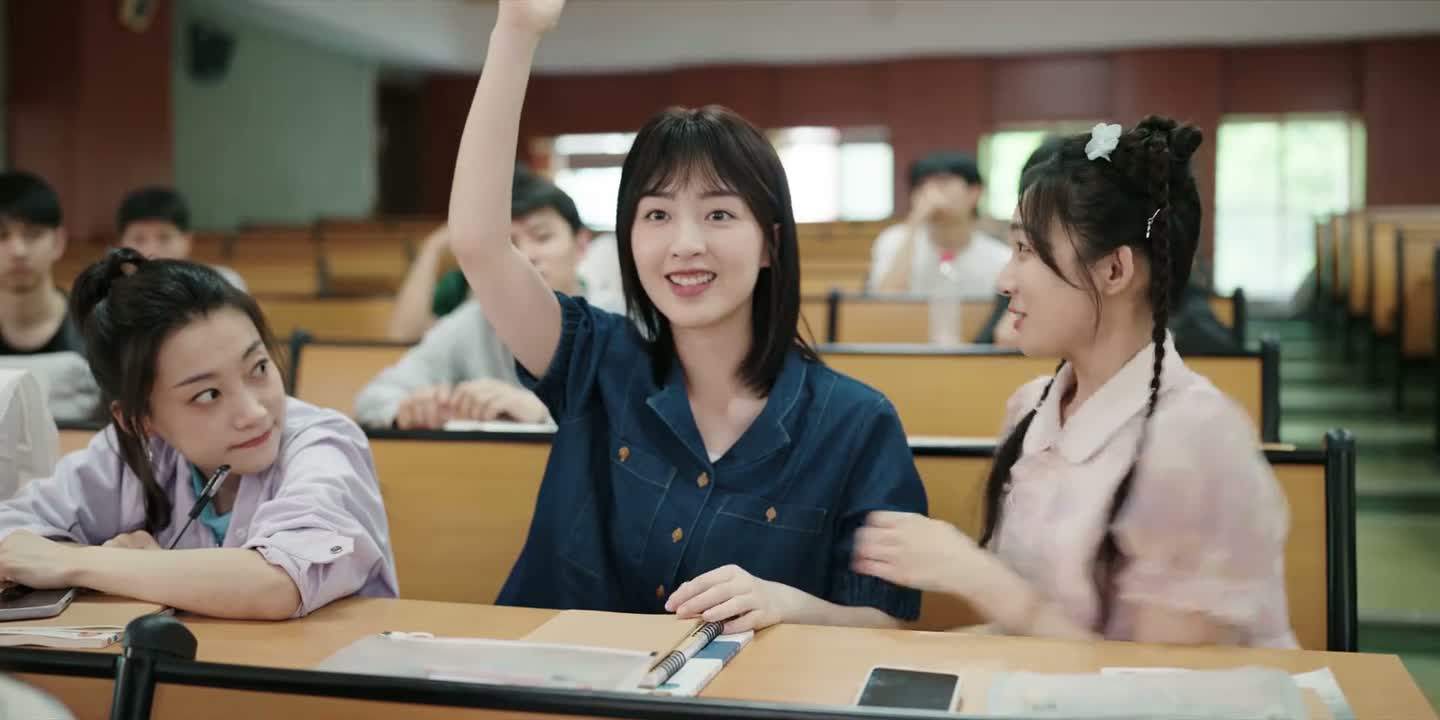
“Guifang, you're the best”