脑子 不太清楚
“after I was injured.”
THE DIALOGUE REEL
“you know that my brain hasn't been functioning well”
脑子 不太清楚
“after I was injured.”
话说得直接了点
“That's why I spoke without thinking.”
“Please excuse my blunt words; my head injury made me lose my filter.”
Blaming one's own physical condition or temporary mental lapse is an effective Chinese politeness strategy to restore harmony without directly admitting fault.
LEARNING CHUNKS & PARTICLES
not very clear / slightly muddled
A polite, understated way to indicate confusion, memory lapses, or poor mental clarity.
VOCABULARY & EXPRESSIONS
Parallel Spoken Cinema Scenes (语义近邻切片)

“stubborn and doesn't get it.”

“I just wonder if he knows”

“My mind is still blank right now.”
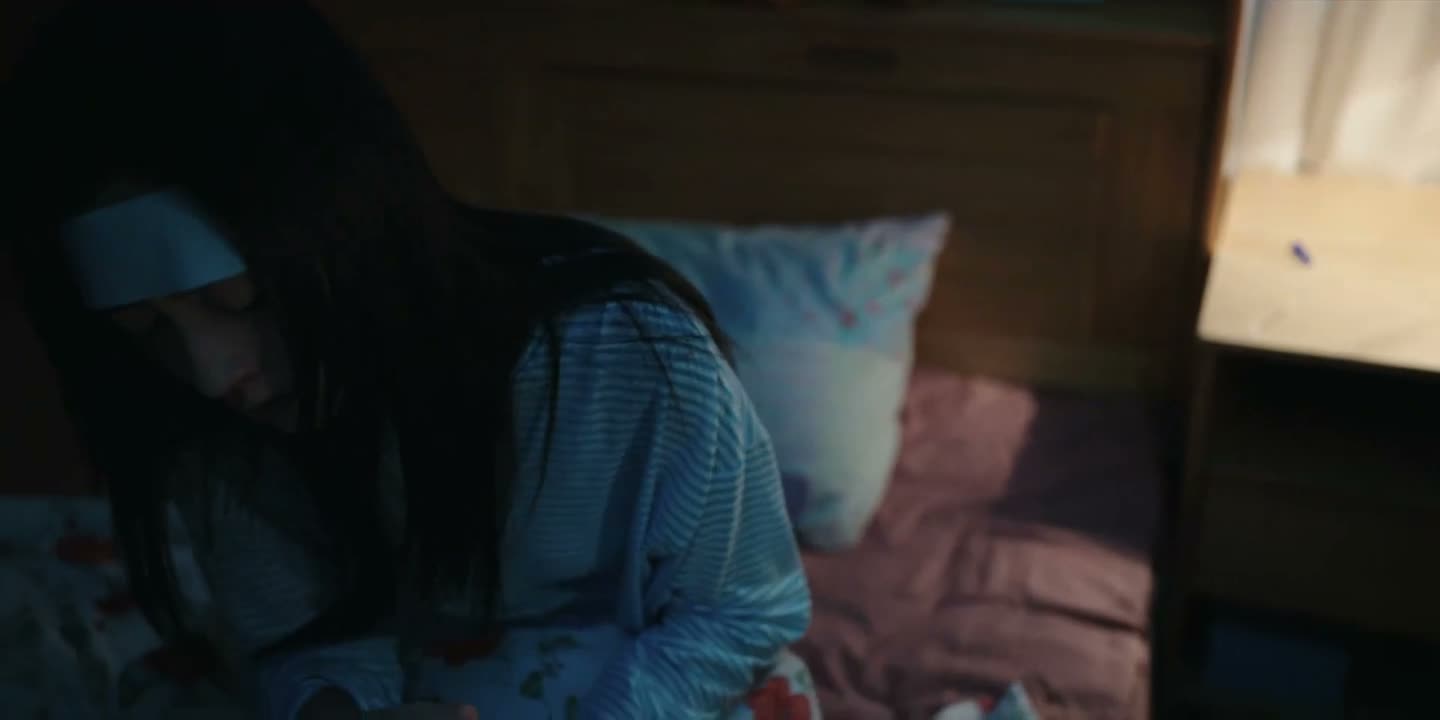
“Why is my head still such a mess?”